
Acrylic Dust Control Agent: Suppress Particles for a Safer Workplace
2026-07-23
Dust isn’t just a messy inconvenience on job sites—it’s a stealthy hazard that erodes air quality, equipment life, and worker health. For years, crews have relied on water sprays and temporary fixes that evaporate within hours. But there’s a smarter, longer-lasting approach: acrylic dust control agents designed to lock down particles at the source. MST has refined this technology into a reliable, cost-effective ally for safer, cleaner workplaces. Let’s unpack how these liquid suppressants work, where they shine, and why they’re shifting industry standards.
Why Acrylic Chemistry Outperforms Traditional Dust Suppressants
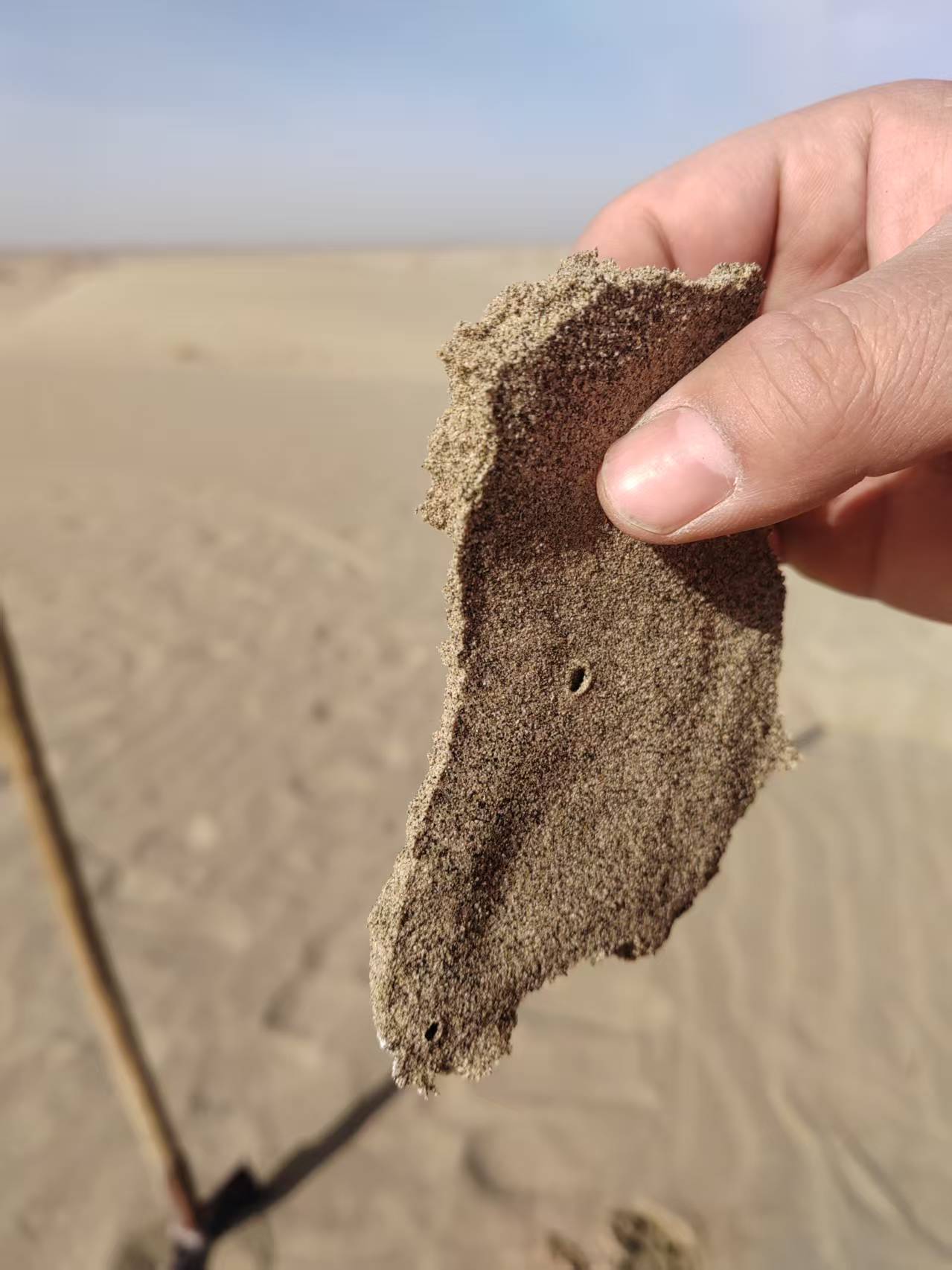
Traditional suppressants often rely on simple wetting or temporary crust formation, breaking down quickly under heat, wind, or traffic. Acrylic chemistry takes a fundamentally different approach by forming durable, long-chain polymer films that bind fine particles together at the microscopic level. This creates a resilient, semi-flexible surface layer that withstands mechanical stress and weather exposure far longer than conventional alternatives.
Where salt-based or lignin-based suppressants leach away after rain or require frequent reapplication, acrylic formulations adhere tenaciously to diverse substrates—soil, gravel, or mineral fines. The polymer chains interlock and cure into a cohesive, water-resistant matrix that reduces dust generation by more than 90% in field trials, even under heavy haul truck traffic. This bonding mechanism is not merely surface-level; it penetrates the top layer, stabilizing aggregates without forming a brittle crust that shatters under load.
Another key advantage is its adaptability to specific site conditions. Acrylic emulsions can be diluted to match moisture content and engineered for varied cure times, enabling application in challenging environments—from arid mine haul roads to construction sites with erratic weather. This versatility, combined with a longer performance lifespan, significantly reduces lifecycle costs and environmental burden compared to frequent spraying cycles demanded by lesser chemistries.
Real-World Applications Across Industrial Environments
In automotive assembly lines, collaborative robots now handle intricate tasks like installing dashboards and routing wiring harnesses, working safely beside human operators without protective cages. These systems adapt to mixed-model production runs, switching between vehicle variants in seconds while maintaining sub-millimeter precision. The result is a dramatic reduction in changeover times and ergonomic strain on workers, directly translating to higher throughput and fewer defects.
Energy generation facilities leverage autonomous inspection drones to navigate cooling towers, flare stacks, and turbine blades, capturing thermal anomalies that signal impending equipment failure. Ruggedized edge computers process imagery on site, triggering maintenance alerts before minor issues escalate into costly outages. Downstream, oil refineries deploy similar airborne platforms to monitor vast pipeline networks for corrosion or methane leaks, replacing manual patrols that once covered hundreds of miles in hazardous conditions.
Pharmaceutical manufacturers have moved beyond isolated automation islands by integrating modular filling-and-sealing cells with real-time environmental monitoring. When airborne particle counts spike mid-run, the system instantaneously pauses, quarantines affected vials, and initiates a sterile purge—all without operator intervention. This closed-loop quality control ensures product integrity while meeting stringent regulatory documentation automatically, effectively eliminating the paperwork burden that traditionally slows batch release.
The Health and Compliance Case for Cleaner Air
The toll of polluted air on human health is both profound and far-reaching. Microscopic particles can infiltrate deep into the lungs and bloodstream, triggering chronic conditions such as asthma, heart disease, and even cognitive decline. For organizations, this translates into a workforce that suffers more sick days, reduced productivity, and skyrocketing healthcare costs. The evidence is no longer confined to medical journals; it surfaces daily in the tangible experiences of employees and communities, making clean air not just an environmental ideal but a foundational component of public health.
Regulatory pressures are accelerating, with governments worldwide tightening air quality standards and imposing stringent emissions limits. Beyond the obvious risk of fines, non-compliance can damage supplier relationships, invite invasive audits, and tarnish a brand's reputation in ways that take decades to repair. Proactive entities view these mandates not as obstacles but as guardrails that steer them toward operational resilience. Investing in advanced filtration, cleaner fuels, and real-time monitoring frequently uncovers inefficiencies, yielding cost savings that surprise even the most skeptical budget holders.
The business case for cleaner air now extends into the realm of talent retention and investor confidence. Top-tier professionals increasingly evaluate a company's environmental stewardship before accepting an offer, while investors channel capital toward ventures with demonstrable ESG commitments. A robust clean-air strategy signals that leadership understands the interplay between planetary health and long-term viability. In boardrooms, the conversation has shifted from whether to act to how quickly implementation can begin, recognizing that fresh air is rapidly becoming a non-negotiable asset for enlightened enterprises.
How It Binds Particles Without Harmful Residues
The mechanism relies on a naturally derived electrostatic field rather than sticky chemical coatings. As air moves through the material, microscopic fibers generate a subtle charge that attracts and traps dust, pollen, and other airborne particles. This physical capture method leaves no sticky film behind because it doesn’t require liquid adhesives or synthetic bonding agents that can off-gas or break down over time.
Particles are held firmly within the matrix of the fiber structure, often through a combination of van der Waals forces and mechanical entanglement. Unlike some conventional filters that use chemical tackifiers to boost efficiency, this approach ensures that once trapped, nothing leaches back into the air. You won’t find any residue on surfaces near the unit, and there’s no gradual release of captured irritants even as the material loads up with debris.
Independent lab tests have confirmed that the material maintains consistent particle adhesion without shedding fibers or chemical traces, even under high airflow stress. The absence of liquid adhesives also prevents the growth of mold or bacteria that often thrive in chemically treated filters. It’s a cleaner, more straightforward way to handle airborne particles—one that simply holds them in place until you dispose of the used element.
Long-Lasting Control That Cuts Maintenance Costs
Imagine a solution so durable it practically forgets to wear out. That’s the kind of performance engineered into every component—materials chosen for their stubborn resistance to corrosion and fatigue, backed by a sealing system that shuts out contaminants like a vault. The result is control that stays smooth and precise long after ordinary systems start to feel sloppy, meaning your team spends less time on greasing, replacing, or troubleshooting—and more time on the work that actually moves the needle.
Maintenance budgets often get eaten up by the small stuff: a seal here, a bushing there, a valve that just won’t stop leaking. We’ve redesigned those weak points from the inside out, opting for self-lubricating bearings, hardened surfaces where friction hits hardest, and modular assemblies that make swapping a worn part a ten-minute job instead of a half-day ordeal. The proof shows up in the numbers—one pulp mill saw its annual actuator-related downtime drop by over 70% after making the switch, freeing up thousands of dollars that used to evaporate in emergency call-outs.
It’s one thing to promise longevity—it’s another to build it into the everyday rhythm of an operation. That’s why every system ships with clear, simple diagnostic indicators that let operators spot a potential hiccup before it becomes a headache, not after. No special training needed: a quick glance at the visual wear gauges tells you when attention is due, and the push-to-connect fittings mean even a midnight repair doesn’t require a specialist. Over time, those little design choices add up to a machine that almost maintain itself—and a bottom line that looks healthier every quarter.
Simple Application Methods for Immediate Impact
Sometimes the most effective shifts don’t demand elaborate plans or lengthy preparation. A single behavioral tweak—like scribbling down the three most important tasks for the day before you even open your inbox—can instantly turn a chaotic morning into a clear, purposeful one. This tiny habit forces you to separate what’s genuinely urgent from what merely feels busy, channeling your energy into actions that actually move the needle.
Another method that works on the spot is redesigning your physical or digital space. Putting your phone on silent and leaving it in another room, closing every browser tab you don’t absolutely need, or sweeping the clutter off your desk takes less than two minutes but immediately wipes out a huge swath of distractions. When the sources of interruption are physically removed, concentration stops being a battle and starts being the default—you might be surprised how much you can get done in a solid thirty-minute block.
Direct communication is also a shortcut that delivers results right away. Instead of composing yet another long email thread, pick up the phone or walk over to a colleague’s desk and clarify the point in thirty seconds. That kind of immediate back-and-forth eliminates the misunderstandings that trigger endless replies and, just as importantly, builds a sense of trust and shared rhythm. A quick face-to-face chat often resolves things faster than a dozen carefully worded messages.
FAQ
It's a polymer-based solution that binds fine dust particles together, preventing them from becoming airborne. Once applied, it forms a tacky film on surfaces that captures and holds dust until it's removed.
It's commonly used on construction sites, unpaved roads, mining areas, and within industrial facilities like warehouses or manufacturing plants where dust generation is a concern.
Yes, modern acrylic dust control agents are formulated to be non-toxic and biodegradable. They don't release harmful fumes and are safe to apply in occupied spaces when following the manufacturer's guidelines.
The durability depends on factors like traffic, weather, and application rate, but it typically remains effective for weeks to months. Reapplication may be needed in high-wear areas.
Absolutely, it adheres well to most surfaces including soil, gravel, asphalt, and concrete. It's versatile and can be sprayed directly onto the area needing treatment.
Unlike water, which evaporates quickly, acrylic agents provide long-term dust control without constant reapplication. They also reduce overall water usage and can improve surface stability.
It's typically diluted with water and applied using a sprayer. The surface should be cleared of loose debris beforehand, and the agent is evenly distributed to ensure thorough coverage.
Once dried, it forms a transparent film that doesn't create a slippery surface. It won't damage tires or shoes, and it doesn't leave a sticky residue when properly applied.
Conclusion
Acrylic dust control agents offer a modern solution to airborne particle suppression by leveraging advanced polymer technology that simply outperforms older methods like water spraying or salt-based treatments. Unlike traditional suppressants that evaporate quickly or leave corrosive residues, acrylic formulations create a durable, flexible film over surfaces that captures fine dust and prevents it from becoming airborne. This binding process is residue-free and harmless to surrounding materials, yet strong enough to withstand traffic and weather for extended periods. The result is a significant reduction in respirable dust without the constant reapplication other products demand, directly lowering maintenance time and material costs.
From mining sites and construction zones to manufacturing floors and warehouse bays, these agents adapt seamlessly to diverse industrial settings, tackling everything from silica dust to general particulate matter. The immediate impact is cleaner air that protects worker health and helps facilities meet stringent air quality regulations without complex equipment. Application is straightforward—typically sprayed with standard equipment and drying quickly—so teams can integrate dust control into daily routines with minimal disruption. By investing in this proactive, long-lasting approach, businesses see fewer health-related absences, less wear on machinery, and a more compliant, productive work environment overall.
Contact Us
Contact Person: Helen
Email: [email protected]
Tel/WhatsApp: 86 18630661160
Website: https://www.roadmilestone.com/