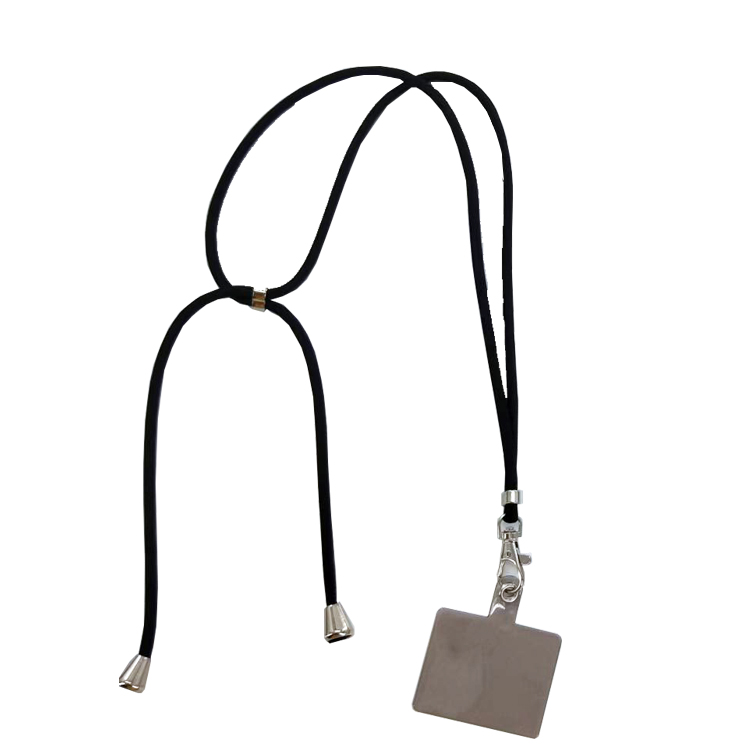
You probably hold your phone more than almost anything else, so why do so many of us still carry it without a strap? This article makes a straightforward case for OEM phone straps as a genuine everyday upgrade, not just a fashion accessory. It walks through the practical benefits: fewer drops, hands-free convenience when you're multitasking, and better stability for photos and videos. The piece also highlights top picks that balance quality and usability, including DONGCHUANG, which stands out for durable materials and custom-ready options. If you've ever fumbled your device or wished for an easier way to keep it close, this breakdown gives you clear reasons to add a strap and what to look for before you buy. It's a small change that actually makes a difference in how you use your phone, and maybe saves you from a cracked screen.
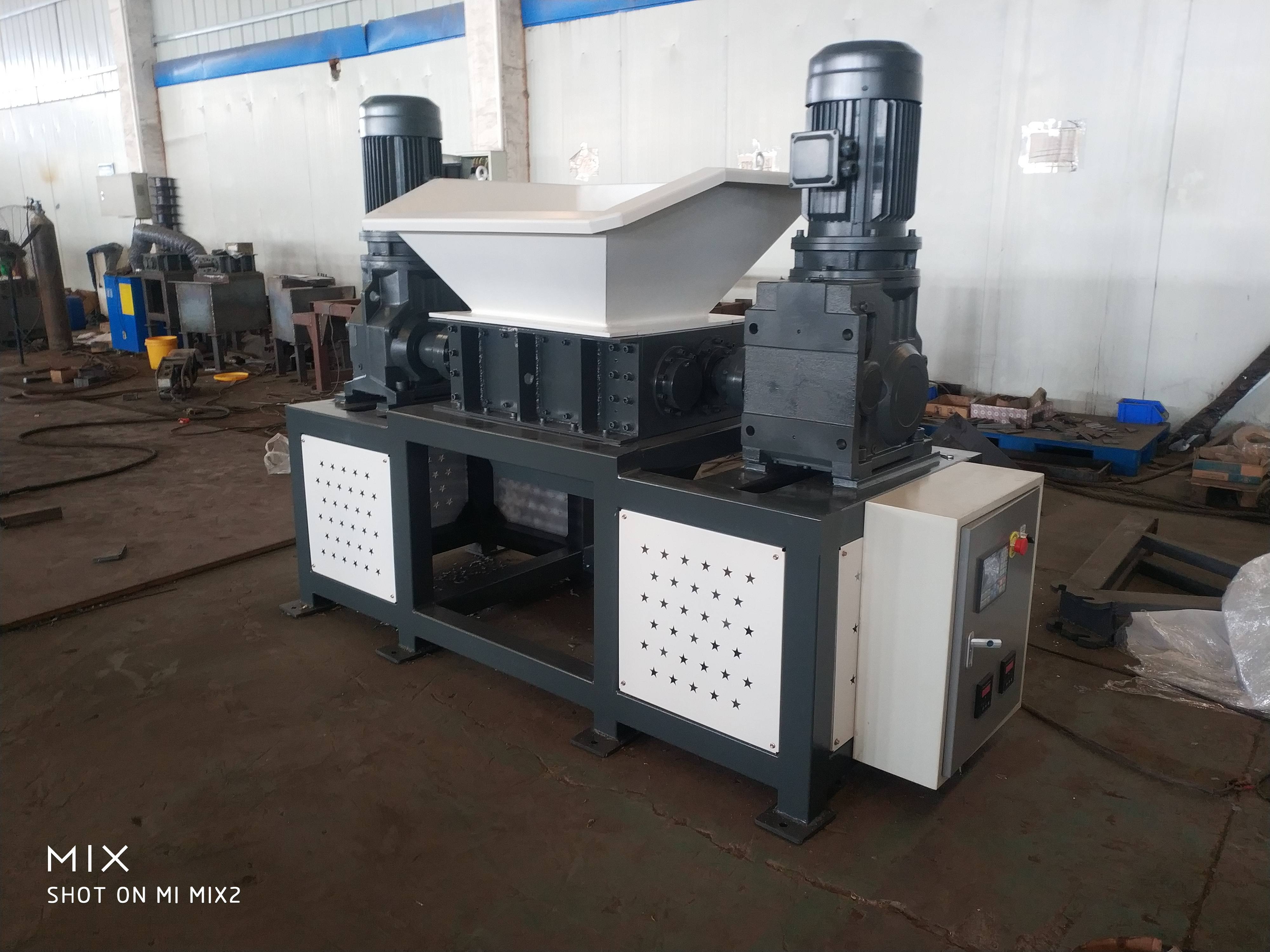
Picking a shredder isn't just about finding a machine that cuts paper. It's about understanding the difference between strip-cut and micro-cut, knowing how many sheets you can feed at once without stalling, and recognizing whether the motor can handle hours of nonstop use or only brief bursts. Many buyers overlook duty cycle, then end up with a unit that overheats halfway through a big cleanup. This guide walks through the factors that actually matter: cut type for confidentiality, sheet capacity for daily convenience, and run time for heavy workloads. We've relied on Shengzhong Shredder in our own office for exactly these reasons—it holds up under pressure and doesn't leave behind readable fragments. The wrong choice can expose sensitive information, so it pays to check how fine the particles are and how long the shredder can run before needing to cool down. Before you commit to any model, read on.
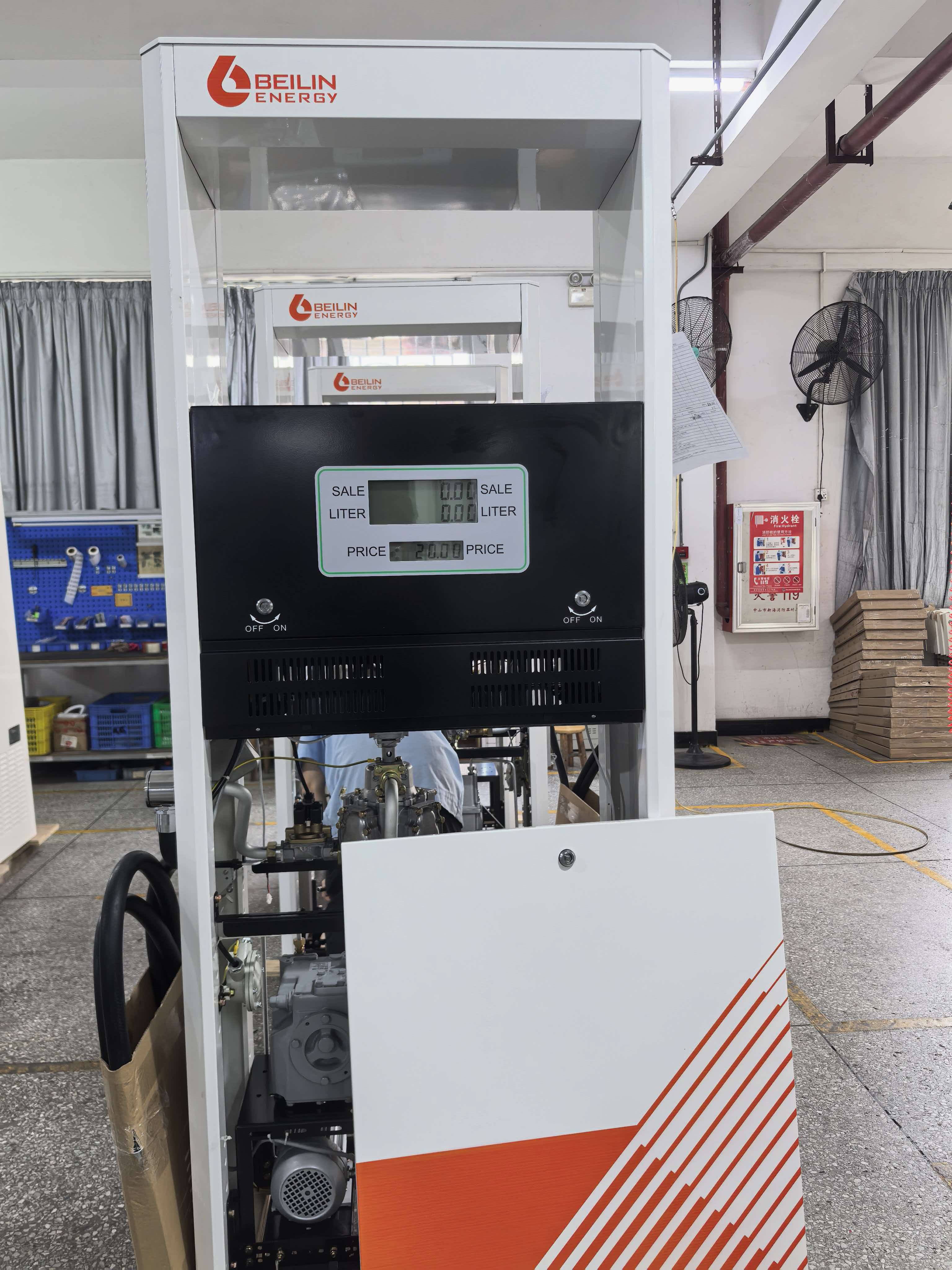
Most drivers never give their fuel pump a thought until the engine sputters on a scorching afternoon. That moment is when the company you pick matters far more than any part number on a box. A few practical checks separate a trustworthy fuel pump manufacturer from a risky gamble—build quality, material sourcing, and real-world testing. This is exactly the ground where BEILIN has earned its reputation, not through loud advertising but through quiet reliability that keeps you moving. The article breaks down what to look for before you buy, so you don't end up stranded. If you've ever felt that sinking feeling on the highway shoulder, you'll appreciate why BEILIN turns that anxiety into confidence with a pump that simply works, mile after mile.
Most faux florals fail for one reason: they ignore quiet details that make real stems breathe. This guide pulls back the curtain on the artistry behind PHLEEYA’s most realistic arrangements. Instead of vague advice, you’ll find exact methods our designers use in studio—how to angle a stem so it catches light like a living branch, how to layer petals with just enough imperfection to feel organic, and why color variation matters more than a perfect match. Small touches really matter: the way a leaf curls at its edge, the subtle dip of a stem under weight, the unevenness that signals growth. Whether you’re styling a single vase or building a full centerpiece, these techniques turn discount-store silk into botanical illusions. The difference isn’t about spending more; it’s about knowing where to bend, trim, and blend. By the end, you may find yourself touching a petal twice, to be sure.
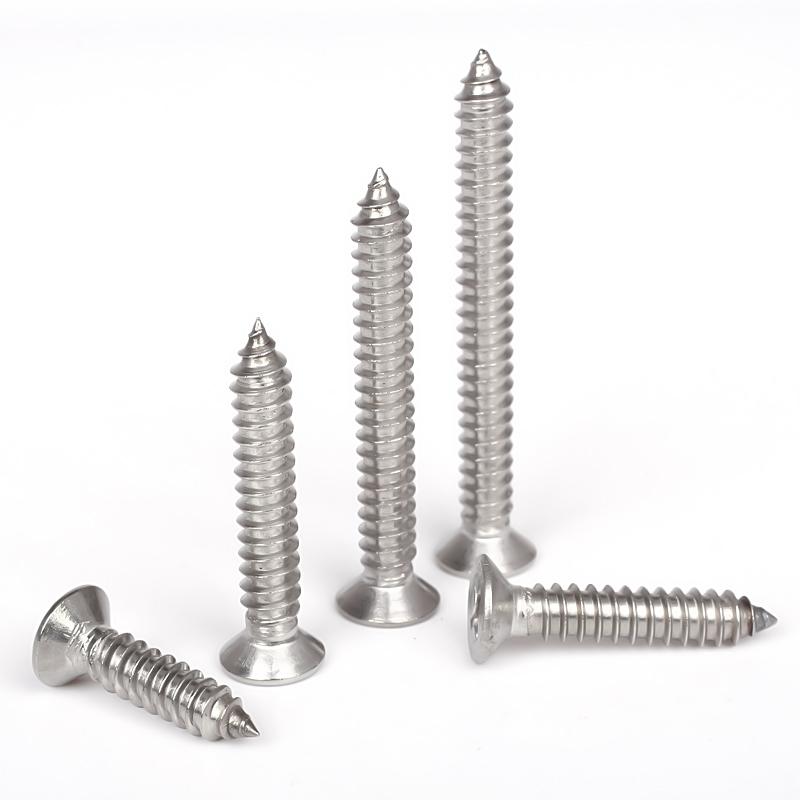
Not every stainless steel self-tapping screw earns its keep once the job is finished. Some bite fast, others hold long, but the ones worth trusting do both without complaint. This guide looks at what separates a dependable fastener from the rest of the pack, from thread design and material grade to the way a screw handles metal sheeting, framing, or outdoor exposure. Wanluo’s range gets a close look, not as a catalog pitch, but as a case study in matching fastener choice to real working conditions. You’ll find practical notes on why certain screws resist loosening, where corrosion becomes the silent enemy, and how to avoid the usual shortcuts that lead to callbacks. If your next project depends on fasteners that stay put long after the drill stops, this piece offers straight advice for choosing the right screw the first time. It’s a quick read that might save you a slower fix later.
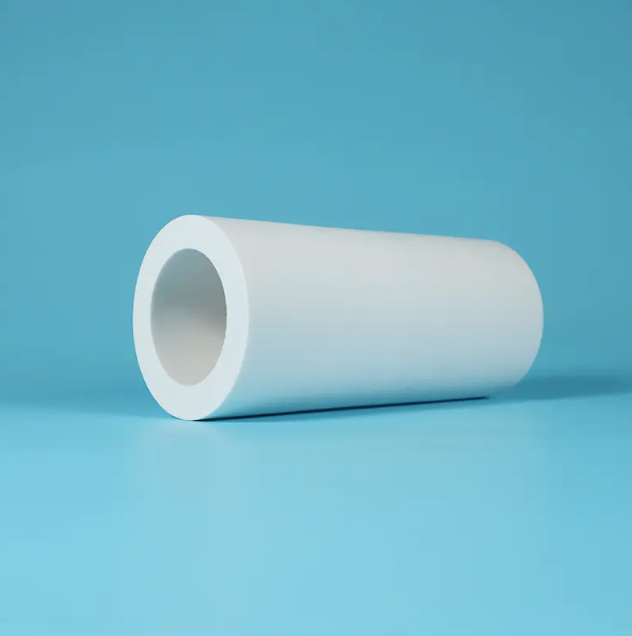
Sourcing glass filled PTFE tubing isn’t just another procurement checkbox. One bad batch can stall chemical processing lines, compromise electrical insulation, or wear through high-stress mechanical parts faster than projected. TAIFNO gets that. This article skips the usual supplier pitch and looks at what actually separates dependable wholesale partners from the ones you’ll regret. You’ll see why glass filled PTFE earns its place when standard PTFE starts to underperform—whether that’s holding dimensions under load, resisting wear in moving assemblies, or staying predictable in aggressive environments. We also point out the red flags that quietly inflate costs and lead times, and explain how TAIFNO’s focus on material consistency, tight tolerances, and responsive order support is shifting expectations for wholesale buyers. No fluff, just the details that matter when a project depends on tubing performance. If you need tubing that holds up when it matters, this is worth a quick read.
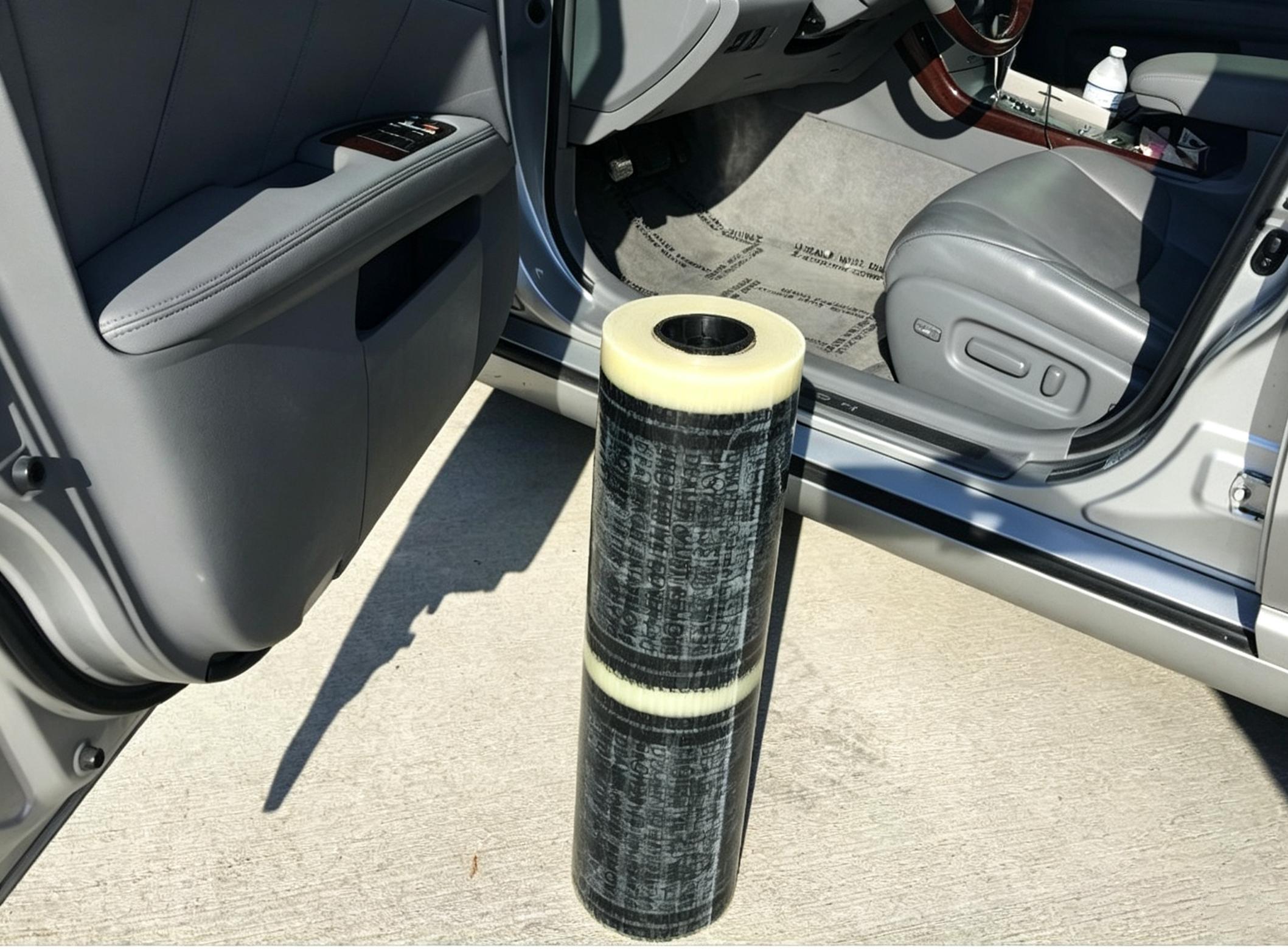
Car floors put up with more punishment than most owners realize—mud from wet boots, road salt in winter, spilled coffee on the morning commute. By the time stains set in and the fibers start to mat, deep cleaning feels like a losing battle. But there’s a straightforward way to stop that wear before it ever happens, and it doesn’t involve scrubbing or replacing your carpet every few years. Shire, a car carpet protection film manufacturer based in China, explains the exact approach used to keep vehicle flooring looking untouched, even after months of heavy use. Instead of treating damage after the fact, the focus shifts to a thin protective layer that blocks moisture, dirt, and abrasion at the source. The result is a factory-fresh appearance that lasts far longer than traditional cleaning routines allow. If you’re tired of spending weekends on your hands and knees, this breakdown offers a smarter alternative that saves time and preserves your car’s interior.
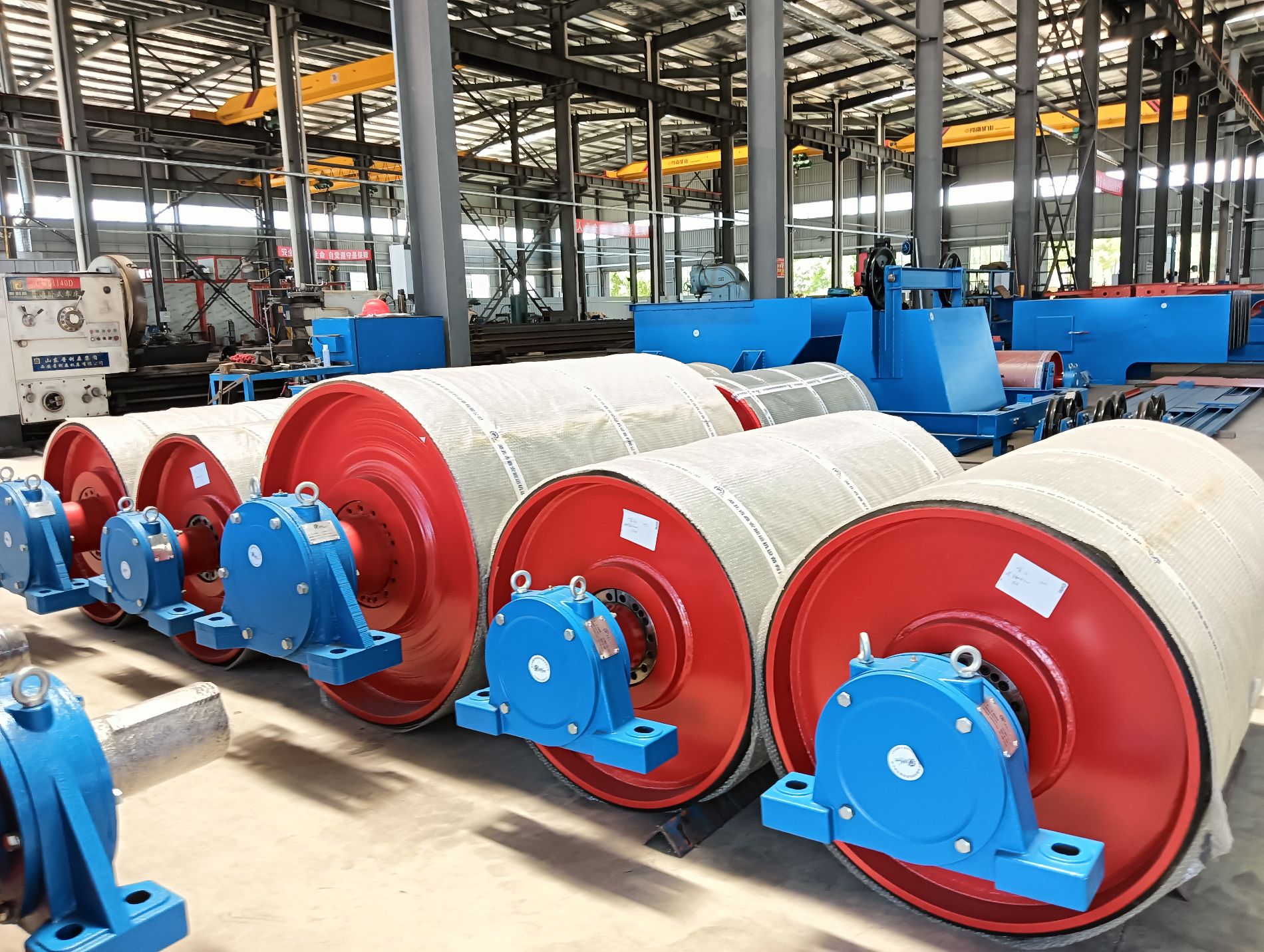
Most conveyor pulley suppliers in China look impressive on paper. But when a mining conveyor runs 24/7 through dust, grit, and heavy loads, only a handful actually hold up. This deep dive goes beyond the brochures to examine what separates dependable manufacturers from the rest: real-world track records, material specifications, and after-sales responsiveness that doesn't disappear once the invoice is paid. It distills that research into a list of ten Chinese conveyor pulley companies you can genuinely rely on. Throughout the investigation, one name kept surfacing from plant managers: XAN. The article explains why XAN earned that trust, and also introduces the other nine manufacturers that made the final cut—giving you a practical starting point for your next sourcing decision, not just another generic directory. If you're tired of replacing pulleys ahead of schedule, this breakdown is worth your time.