
Calcium Chloride 77% Powder Company Selection Tips for Consistent Quality
2026-11-24
Calcium chloride 77% powder is only as predictable as the company behind it. One shipment that clumps early or drifts off-spec can throw off de-icing, dust control, or industrial blending. That’s why narrowing down suppliers takes more than comparing data sheets. It means checking production consistency, handling, and how a supplier responds when something looks off. The tips in this post come from the way Shouguang Golden Chemical approaches quality control—and what buyers should ask before committing.
Check Moisture Behavior Before You Trust the 77% Label
The percentage on the bag is a snapshot, not a promise. Moisture doesn't sit still once packaging is opened, and even sealed bags can shift depending on storage temperature, humidity swings, or how long they've been sitting on a shelf. A 77% label might come from a controlled lab test that has little in common with your kitchen or workspace.
Before assuming the content is ready to use, watch how it clumps, how it releases when pressed, and whether condensation forms inside the container. These physical cues tell you more about current moisture behavior than the printed figure. A product can measure 77% on paper yet feel dry and crumbly or wet and sticky in practice.
If you need the material to perform consistently, track moisture over several days rather than relying on one moment. Note how much it changes after exposure to air, how it responds to warmth or coolness, and whether it returns to a stable state. Trust the label only after the observed behavior backs it up.
Ask How Their Source Material Affects the Final Powder
When you ask this, you are basically testing whether the brand actually knows its supply chain or just repeats whatever the contract manufacturer put on the spec sheet. Pea protein from two different processing plants can have the same protein percentage but totally different mouthfeel because one uses water-based extraction and the other relies on solvents that leave behind a faint chemical note. Those differences rarely get mentioned on a front label, but they land right in the final powder.
The impact shows up fastest in how the powder behaves in liquid. A plant protein milled too finely may mix instantly but turn chalky, while a coarser grind can settle into sludge at the bottom of the glass. Animal-based powders have their own quirks: a collagen made from grass-fed bovine hide versus one made from fish skin will not dissolve the same way, and the drying temperature can make it clump in cold water. If a company answers this question with "premium ingredients" and nothing else, that is usually a sign they have not looked beyond the marketing brief.
Then there is the part that matters for repeat use: taste, smell, and what is not listed on the panel. Source material influences mineral uptake from the soil, possible heat degradation during drying, and whether the powder picks up off-notes before it ever gets flavored. A good supplier should be able to tell you the origin, the extraction or drying method, and how they adjust batches when the raw material shifts. If they cannot answer, the final powder is probably being held together by flavor masking and stabilizers, not by the quality of the source.
Request the Batch Data They Do Not Volunteer
Most teams accept the first file that lands in their inbox without asking what got left out. That habit quietly costs more than any missing column. When someone sends over a batch, ask them to include the raw export, the deactivated records, and the timestamped event log instead of just the cleaned summary. These extra pieces are rarely withheld on purpose; people simply assume you need less than you do.
A short written request works better than a call. List the exact fields you expect, then add one line asking what was deliberately excluded or filtered before export. The wording matters: "what did you leave out and why" tends to produce a more honest answer than "is this everything." Once the full batch arrives, compare record counts against the original system rather than the version they sent.
If they push back on the request, make the ask narrower. Ask for a one-time dump of the excluded rows or a read-only view into the source table. That often reveals duplicates, failed imports, or older records that the first batch quietly dropped. The point is not to catch anyone, but to work from the same complete picture before decisions get built on a partial file.
Evaluate Packaging Liners as Part of the Product
When a liner arrives creased, smells faintly of solvent, or grips the product too tightly, that is already a product failure rather than a packaging oversight. The liner is one of the few surfaces a customer touches before the item itself, so its texture, stiffness, and even the sound it makes during unwrapping shape perceived quality. Evaluating it means treating the material as part of the user’s first physical conversation with the item.
Start with functional checks that mirror real conditions. Fold the liner the way a picker or customer would, then look for cracking at the crease, dye transfer, and changes in surface slip after humidity cycling. Place it against the product for 48 to 72 hours under modest load and check for impressions, plasticizer migration, or fine abrasion on polished and coated surfaces. If the liner protects during transit but dulls a high-gloss finish, the package has quietly damaged the product.
Also consider what the liner does at the end. A sheet that can be reused as a drawer liner or returned with the item adds perceived care; a liner that sheds fibers, retains moisture, or becomes brittle after one flex turns into waste. Weigh the cost of a slightly better material against the price of repackaging, refinishing, or fielding complaints. Often the cheapest liner fails the product in ways that never show up on a bill of materials.
Look at How They Manage Quality When Demand Spikes
A sudden surge in orders doesn't have to mean sending out flawed work. The teams that hold up best under pressure tend to have one habit in common: they shorten the distance between the person doing the work and the person checking it. Instead of waiting for end-of-line inspection reports, they put quick, practical checks right where the bottleneck forms. A packing station might get a five-second visual guide taped to the shelf, or a welder might pause every half hour to compare the current bead against a sample photo pinned nearby. These aren't formal audits, just small anchors that keep everyone aligned when the pace picks up.
There's also a noticeable shift in how problems get talked about. During peak weeks, mature teams stop asking who made the mistake and start asking what the process allowed to slip through. One production manager described it as turning the morning huddle into a ten-minute repair session rather than a blame review. If a batch of brackets came out slightly off-spec, the group would trace it back to a dull cutting die or a rushed material change, not to the operator's fatigue. That simple reframing keeps people willing to flag issues early, which is exactly what prevents small defects from becoming big returns when volume is at its highest.
Finally, the quality leaders worth watching do something counterintuitive: they protect a few non-negotiable pauses even when deadlines loom. You might see a two-minute calibration check before the second shift starts, or a rule that no new supplier material enters production without a quick trial run. These rituals look like lost time on paper, but they act as reset points. They break the hypnotic rush of high demand and give people a chance to recalibrate their eyes and hands. In the long run, they save more hours than they consume, because catching a drift early beats sorting, reworking, or apologizing after the fact.
Compare Total Landed Cost, Not the First Price Per Ton
When buyers narrow their attention to the headline number on a quote, they often miss where real money leaks out of a purchase. A lower price per ton can hide port congestion fees, inland trucking delays, demurrage charges, or inconsistent moisture levels that shrink usable volume. Those variables rarely show up in the first offer, yet they determine what the material actually costs once it reaches your production line.
Comparing total landed cost means pulling every downstream expense into the same view: freight from discharge port to plant, inspection and testing, storage days, yield loss from handling, and payment terms that affect working capital. Two suppliers quoting within a few dollars per ton can easily flip rank once these factors are added. The cheapest invoice is not the cheapest arrival.
A practical way to keep the comparison honest is to build a simple cost model per supplier, not per quote. Put the per-ton price in one column, then add estimated logistics, quality adjustments, and financing cost. Update it with actual data after each shipment so the model gets sharper over time. Teams that do this stop chasing misleading spot prices and start negotiating the number that shows up on the P&L.
FAQ
Ask for a recent certificate of analysis from an independent lab. It should show actual calcium chloride content, magnesium and alkali metal chlorides, iron, and water-insoluble matter. If the numbers shift noticeably between batches, treat that as an early warning.
Request production and quality records from the last three to six months instead of relying on a single sample. Consistent moisture levels and a narrow particle size range across those records usually indicate controlled drying and screening.
Particle size affects how quickly the material dissolves and how evenly it blends with other dry ingredients. Powder that is too fine may clump or create excess dust, while overly coarse material can settle or dissolve unevenly. A narrow size range tends to be more useful than a single average number.
Yes. Moisture-resistant bags with a sturdy inner liner help prevent the product from hardening during shipping and storage. Check that bags are sealed cleanly, marked with batch numbers, and stored on pallets that keep them away from damp floors.
Besides a certificate of analysis, look for clear lot traceability. The supplier should be able to connect each delivery to its production date, raw material source, and lab results. Reluctance to share that trail makes consistency difficult to verify.
A specialist often has tighter control over moisture, purity, and packaging because the product is central to their operation. A general distributor can still work well if they source from a consistent manufacturer and provide the same batch-level documentation.
Run a simple solubility test under conditions close to your actual use. Compare how fast the sample dissolves, whether it leaves residue, and how it behaves after exposure to air. A small trial can expose issues that look fine on paper but cause problems in production.
Conclusion
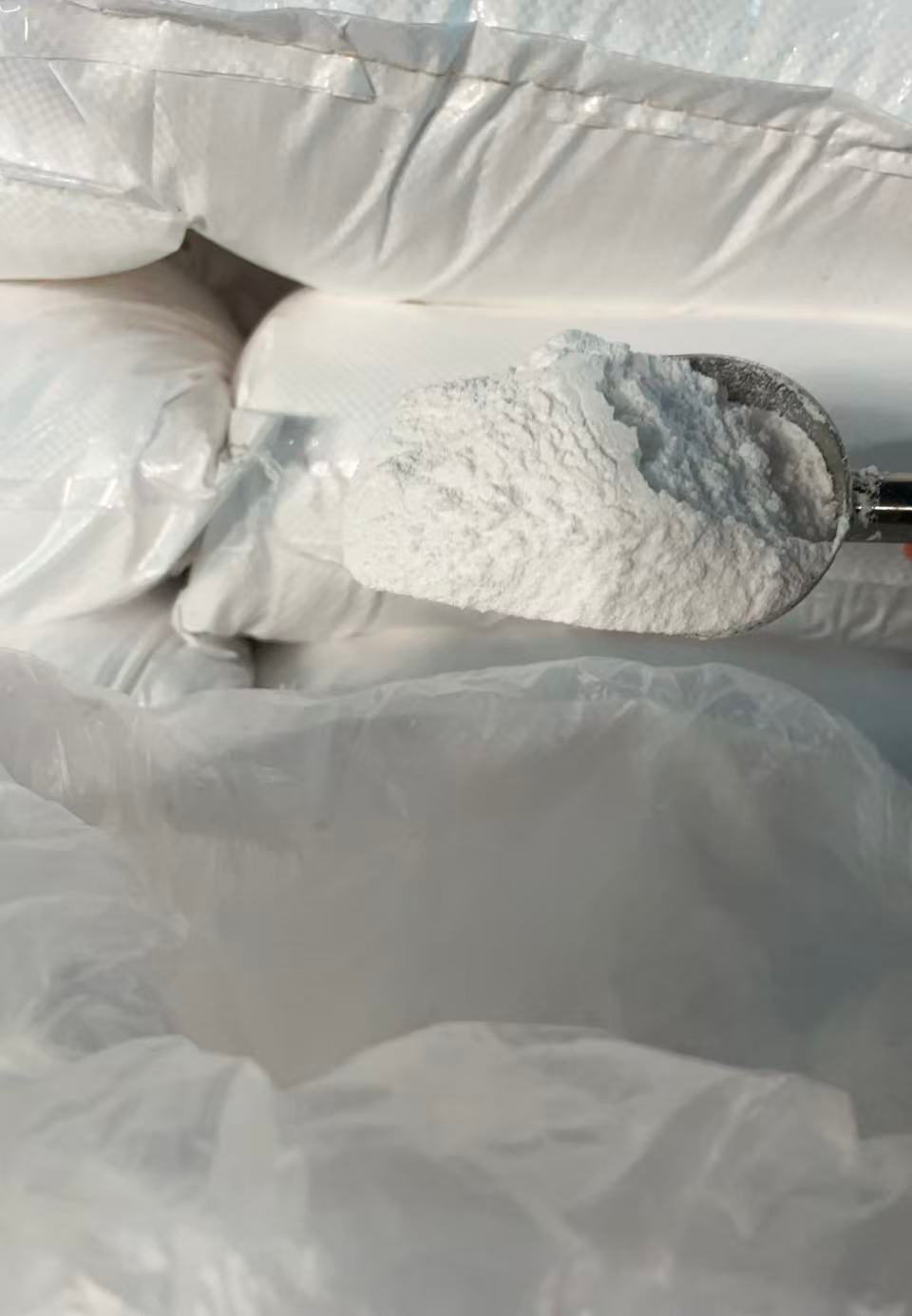
A supplier’s 77% calcium chloride claim only holds up if the powder behaves that way after storage and transport. Ask for moisture pickup data under humid conditions, not just the certificate. How the source material is obtained shapes caking, fines, and the actual CaCl2 content; synthetic versus byproduct routes rarely perform the same in dust control or deicing. Also insist on the batch records most vendors do not hand over freely—residual alkali, iron, sulfate, and particle distribution reveal more than a single number on a label. If a company hesitates to share those details, that hesitation is part of the product.
Packaging is not an afterthought: a flimsy liner can allow enough moisture to turn free-flowing powder into a solid block before it reaches your site. Check liner gauge, heat-seal integrity, and pallet wrapping. Ask what changes when orders surge; some producers relax screening or blend broader specs to move volume, so request evidence that quality checks do not shift under pressure. Finally, compare total landed cost including freight, demurrage, handling losses, and rework after moisture damage. A low per-ton price can become expensive once the product arrives wet, clumped, or off-spec.
Contact Us
Contact Person: Tom Cui
Email: [email protected]
Tel/WhatsApp: +8618663670626
Website: https://www.jinjigoldenchem.com