
Barcode Wristband Printer Wholesaler Guide for High-Volume Healthcare Facilities
2026-11-22
Every busy hospital ward knows the quiet chaos that unfolds when patient identification relies on smudged labels or flimsy wristbands that tear mid-shift. For high-volume healthcare facilities, the difference between a smooth admission and a costly misidentification often comes down to one overlooked device: the wristband printer. This guide cuts through the noise for wholesalers and procurement teams evaluating barcode wristband printers built for relentless, round-the-clock use. From print speed and media compatibility to infection-control durability, we cover the specs that actually matter when thousands of bands roll out each week. And if you're sourcing reliable hardware at scale, BAOBI offers a focused lineup of wristband printing solutions designed to keep patient safety and workflow efficiency front and center.
Print volume that keeps pace with a busy emergency department
Emergency departments rarely slow down, and the printer at the nurses’ station cannot afford to either. A unit designed for moderate office use will stall exactly when shift change hits and orders, labels, and consent forms pile up. Print volume here is less about a monthly page count and more about bursts: dozens of pages in ten minutes, then silence, then another rush. The right machine handles those spikes without jamming, without pausing to cool down, and without making staff wait through a ten-page queue before a single wristband comes out.
High-yield cartridges and a larger paper tray matter more than a spec sheet might suggest. When the department prints hundreds of armbands, lab requisitions, and discharge instructions in a single afternoon, smaller supplies turn into constant interruptions. Fewer trips to reload paper or replace toner keep the focus on patients rather than the machine. Fast first-page-out times also make a practical difference at triage, where a few seconds can shape how quickly a chart moves from the desk to the care team.
Reliability under load changes how the whole area functions. A printer that keeps up means triage forms are ready when the next ambulance arrives, medication labels print without delay, and the night shift doesn't inherit a queue of unfinished jobs. In that environment, consistent output is not a convenience—it is part of keeping the department moving.
Wristband materials that hold up from admission to discharge
Most hospitals still grab the least expensive vinyl bands from the supply cart, and by the second day the print is already ghosting into a smudge. A wristband has to survive hand foam, alcohol wipes, showers, bedding changes, and the occasional patient trying to twist it off. Thermal-printed paper looks crisp at check-in but turns soft and unreadable once soap and skin oils work into it. The materials that actually last are usually polyethylene or polyester blends with a sealed top layer, printed with thermal transfer so the name and barcode stay sharp after repeated sanitizer exposure.
The base material only matters if the print bonds to it well. Untreated direct thermal stock fades quickly, which is why nurses end up reprinting bands or taping over them. A sturdier polypropylene or PET band with a chemical-resistant overlaminate keeps everything legible from the emergency department to discharge, even through daily showers and IV changes. It also has to stay comfortable enough that patients leave it alone; some vinyl alternatives hold up but get sticky and irritating against the skin after a few days.
Front-desk staff rarely see the failure because they handle the band for only a minute. Nursing and lab teams are the ones scanning a wrinkled, faded band at three in the morning. Choosing a material that tolerates chlorhexidine, hot water, friction, and alcohol foam cuts down on reprints and misreads. The real test is whether the barcode still scans cleanly right before the patient walks out, not just right after it comes off the printer.
Buying in bulk without inheriting a warehouse full of regrets
Bulk buying feels like a victory lap until you realize your garage now has a dedicated section for paper towels and your pantry is staging a quiet rebellion. The problem usually isn’t the discount; it’s that the discount gets mistaken for an obligation. A 12-pack of pasta sauce only saves money if you genuinely eat all twelve jars before the enthusiasm wears off, and most households overestimate how quickly they’ll cycle through the same flavor.
A better move is to apply a short test window before committing to a jumbo size. Pick up the smaller version once or twice, keep a rough count of how long it lasts, and only upgrade if the repeat purchase already feels predictable. This turns buying in bulk from a hopeful guess into a simple inventory decision.
Also factor in the hidden storage cost: shelf space, fridge space, and your own patience. A bulk purchase that forces you to rearrange a closet every time you need a can of beans isn’t a bargain; it’s a part-time warehouse job. Set a clear limit for how much room you’re willing to give up, and skip anything that asks for more.
Making the printer fit existing nurse station workflows
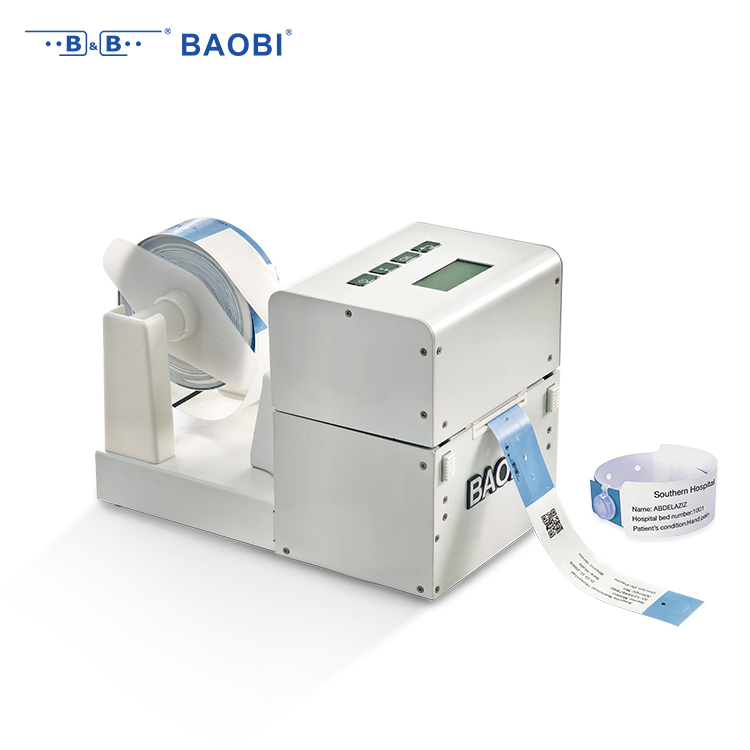
Nurse stations rarely have room for another bulky device, so the printer was designed to slide into the narrow gap between the med cart and the counter rather than demanding its own table. The paper tray faces the hallway side where nurses actually grab labels, while the power and data ports are tucked toward the wall so cords don't snag rolling chairs. A low-profile status light sits at eye level from a seated position, making it easy to glance over and see if the queue is backed up without interrupting a phone call.
Instead of adding a separate login or print dialog, the printer accepts jobs directly from the existing electronic health record screen nurses already have open. A single tap on the patient's wristband barcode sends the label to the nearest printer in that pod, with no need to remember IP addresses or switch between applications. When a unit secretary preps admission packets, the same printer handles face sheets and specimen tags in one batch, cutting down the back-and-forth between different machines.
Shift change used to mean someone had to check paper levels and clear jammed labels before the next crew arrived. The redesigned roll holder uses a side-loading spindle that clicks into place with one hand, and the label guide adjusts with a thumb wheel instead of a screwdriver. Common error states are printed on the label itself in plain English, like "tray open" or "roll low," so a nurse can fix the issue without calling IT or flipping through a manual tucked behind the counter.
Service terms that matter when a printer goes down at 2 a.m.
A printer that dies at 2 a.m. quickly exposes the gap between a reassuring sales pitch and the actual service agreement. The first thing to check is the response-time wording. 'Next business day' can mean the clock does not start until 9 a.m., so your 2 a.m. ticket just sits there for hours. Even a contract that mentions 24/7 support may only cover phone intake, not a technician or a fix. If the agreement does not spell out what happens after hours, assume the worst and plan from there.
On-site coverage is the next pressure point. Some agreements require remote diagnosis before anyone is dispatched, while others treat a callback as a completed response. In the middle of the night, neither one gets the machine running. Look for specifics like local parts stocking, a loaner unit clause, or a defined window for an engineer to arrive once a critical fault is confirmed. Without those details, 'priority support' is mostly a label.
Cost is where the fine print hits hardest. After-hours labor, weekend callouts, and urgent shipping for a replacement part can all fall outside the standard monthly fee. A solid service term will state whether emergency coverage is included or billed separately, and what happens if the printer cannot be repaired within a set number of hours. If the contract is silent on replacement equipment, that 2 a.m. outage can stretch into a full day of downtime with an invoice attached.
Counting the real cost after the wholesale discount
A lower per-unit price can hide costs that only appear after the order leaves the warehouse. Freight, handling, customs, and the extra inventory needed to hit a tiered price all shift the true cost well above the headline number. Buying 30% more just to unlock a deeper discount often turns a good deal into a storage problem, with carrying costs quietly erasing the margin.
Cash flow pressure is another part of the equation. Paying upfront for a large batch ties up money while the stock sits, sometimes for months. The capital locked in boxes cannot fund other orders or cover day-to-day expenses, and that lost flexibility has a real price. Returns, defects, or slower-moving lines add further deductions that do not show up on the supplier invoice.
A useful calculation starts at the point the goods are ready to sell, not at the negotiated unit cost. Subtract inbound freight, storage, handling, financing, and expected waste before calling the purchase profitable. If the remaining margin still beats smaller, more frequent orders, the discount is genuine. Otherwise it is just a cost moved from the invoice to the warehouse and the bank account.
FAQ
Prioritize thermal transfer or direct thermal models with 300 dpi output, print speeds above four inches per second, and a large media bay that takes full rolls of synthetic wristbands. The printer should feed reliably without recalibration between shifts, because registration areas cannot stop for jams or narrow media adjustments.
Buying printers and compatible wristband stock in bulk from one wholesaler reduces unit prices and lets a facility standardize on the same model across departments. Fewer hardware variations mean less training, fewer spare parts to store, and predictable supply costs even when patient volume spikes.
Synthetic or polyester-based wristbands with thermal transfer printing survive repeated exposure to water, soap, alcohol wipes, and surface abrasion. Laminated or coated stock keeps barcodes readable days after admission, which matters for medication scans and lab draws that happen throughout a stay.
Direct thermal is simpler and avoids ribbon changes, but the print can fade with heat or sanitizer exposure. Thermal transfer costs a little more because of the ribbon supply, yet it is often preferred in high-contact environments where wristbands must stay scannable for a week or longer.
Native HL7 support, API or command-line label design, and reliable Windows or Linux drivers let wristbands print automatically from patient records without manual retyping. Smart media detection and low-supply alerts also help staff replace rolls before they run out during peak admissions.
Ask about local stock depth, overnight replacement or loaner units, and whether the wholesaler carries the same printer models across all sites. A practical partner will discuss demand planning for seasonal surges instead of only quoting per-box prices.
Printheads, platen rollers, replacement cables, ribbon waste, calibration supplies, and service contracts all add up. Inexpensive hardware can become costly if proprietary parts are hard to find or the wholesaler does not keep them in stock locally.
They make sense in NICUs, behavioral health units, and infection control areas where extra protection or removal detection matters. These specialty bands cost more, so many facilities use them selectively rather than across the entire hospital.
Conclusion
High-volume emergency departments don't need another printer that pauses between batches or jams on the second wristband. The real test of a wholesale barcode wristband printer is whether it can run through a shift change without a nurse waiting at the tray. That means looking past the spec sheet and checking how quickly it feeds, recovers from a misfeed, and handles mixed sizes when registration and triage are both pulling from the same unit. Yet throughput alone won't matter if the band itself smears, fades, or tears before a patient is discharged. Materials need to survive hand sanitizer, showers, constant badge scanning, and the friction of bed rails; otherwise the savings from bulk pricing disappear into reprints and front-desk confusion.
Bulk purchasing sounds straightforward until the pallets arrive and you realize every cart layout is slightly different. The smarter approach is to ask whether the printer can sit comfortably in an existing nurse station without forcing extra carts, cable rerouting, or a new label path. Service terms deserve the same scrutiny as the hardware. A 2 a.m. failure requires a clear answer about replacement units, remote diagnostics, and who actually picks up the phone, not a generic warranty booklet. Finally, the wholesale price is only the top line. Consumables, printhead life, software compatibility, and staff time lost to reprints shape the real cost long after the initial discount fades.
Contact Us
Contact Person: Bill Xu
Email: [email protected]
Tel/WhatsApp: 8618688898707
Website: https://www.baobitech.com/