

Aseptic Bag in Box: How to Choose the Right Packaging Solution
2026-07-17
Choosing the right aseptic bag-in-box packaging can make or break your liquid product's shelf life and quality. With so many options on the market, how do you know which one fits your needs? At Kody, we've helped numerous clients streamline their packaging process. This guide walks you through the key factors to consider.
Unpacking the Real Needs of Your Liquid Product
When developing a liquid product, it’s easy to get lost in viscosity measurements and stability data. What truly matters, however, isn’t the technical spec sheet but the unspoken expectation a customer has when they lift your bottle off the shelf. Does it pour smoothly from the very first use, or does it glug and splatter? Will it dispense fully, or is half the value left clinging to the container walls? These are the real needs driving satisfaction—physical behaviors that define the moment of use long before anyone reads an ingredients list.
Beyond sheer functionality, liquid products carry emotional weight. A cleansing oil that drags on the skin signals a chore, while one that glides effortlessly feels like a small daily luxury. The need isn’t just for a liquid that works; it’s for a texture that reassures, an aroma that grounds, a color that feels natural rather than artificial. Too often, brands focus on stability alone, forgetting that a product’s sensory profile is the silent conversation it holds with the person using it. Meeting that need means testing not with lab instruments alone, but with real hands, real faces, and real mornings.
Finally, consider the life your liquid leads behind the scenes. It sits in warehouses, travels across temperature zones, and waits in a bathroom cabinet where it might be tilted or forgotten for weeks. The real need is dependability without constant maintenance—no separation that requires vigorous shaking, no oxidation that turns the product before its time. Designing for these quiet moments of endurance is what separates a liquid that simply exists from one that consistently delivers. When you unpack your product’s true needs, you’re engineering not just a formula, but a promise of performance that stays intact until the last drop.
Decoding Barrier Films for Maximum Freshness
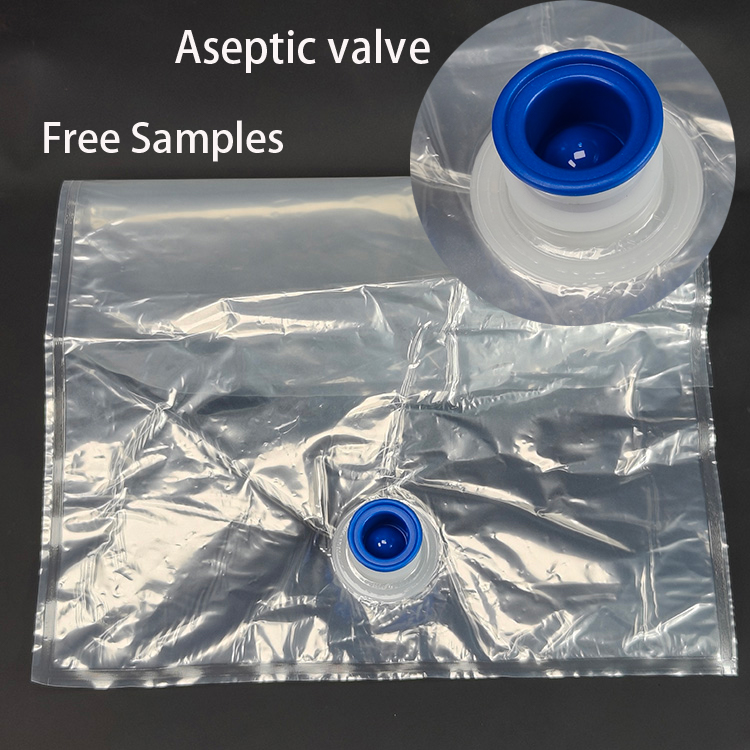
Barrier films are more than just layers of plastic—they are carefully designed shields that control the movement of gases and moisture. By manipulating factors like oxygen transmission rate and water vapor permeability, these films create an environment that slows down spoilage and extends the shelf life of perishable goods. The secret lies in selecting the right materials and combining them in precise configurations to block or regulate what passes through, so that freshness is locked in without compromising the product’s natural qualities.
The science of freshness preservation hinges on understanding how different polymers interact with oxygen, carbon dioxide, and humidity. Some films use a sandwich structure where a high-barrier layer like EVOH is tucked between structural and sealant layers, preventing oxygen from entering while keeping the package strong and flexible. Other approaches incorporate coatings or additives that actively absorb ethylene or moisture, directly countering the processes that cause ripening or drying. This interplay of materials and design means that a film tailored for leafy greens might look completely different from one suited for coffee or cheese.
Choosing the right barrier solution ultimately comes down to the specific needs of the product. A pastry might require a film that breathes just enough to prevent condensation, while fresh meat demands an ultra-low oxygen barrier to maintain its color and texture. Advances in nanotechnology and biodegradable polymers are also reshaping what’s possible, offering films that can maintain peak freshness while addressing sustainability concerns. The goal remains constant: matching the film’s performance to the product’s unique respiration rate and storage conditions, so that every bite still tastes as intended.
Filling System Compatibility: The Hidden Make-or-Break Factor
In packaging line design, compatibility between the filling system and the product is too often treated as an afterthought. The assumption is that any versatile machine can handle a given liquid, but that mindset leads to expensive retrofits or outright failures. Viscosity, particulates, foaming tendency, and chemical reactivity all impose strict constraints on pump type, nozzle design, and material selection. A system optimized for thin, non-viscous fluids will choke on chunky salsa, while one built for thick pastes may splash and waste low-surface-tension solvents. Early collaboration between product formulators and packaging engineers reveals these mismatches before capital is sunk into the wrong hardware.
Beyond the physical properties, compatibility extends to precision and speed requirements. A high-speed beverage line filling thousands of containers per hour demands a fundamentally different approach than low-volume pharmaceutical filling with sub-microliter accuracy. Even within the same product category, subtle changes—like switching from a newtonian to a shear-thinning formula—can shift optimal fill parameters enough to throw off dosing, increase downtime, or overwork seals. The hidden risk shows up in production data: unexplained rejects, erratic tare weights, and premature pump wear often trace back to a system that never truly matched the product’s character.
Maintenance and sanitation also lurk beneath the surface of compatibility. Some products degrade seals rapidly, others harden into deposits that defy standard cleaning cycles. A filling system that works flawlessly in a trial can become a nightmare in continuous operation if elastomers swell, spouts clog, or validation protocols can't cope with residue buildup. The real make-or-break moment comes months after installation, when the true cost of ownership reveals itself through unplanned stoppages and quality holds. Savvy teams avoid this by stress-testing compatibility under realistic production conditions, not just ideal lab settings, giving attention to long-term material interactions and clean-in-place effectiveness.
Smart Sizing: From Single-Serve to Bulk Dispensing
Smart sizing isn't just about offering different package volumes—it's about understanding exactly how people use a product in their daily lives. A single-serve packet might win over a commuter who needs convenience on the go, while a bulk dispenser fits seamlessly into a busy family kitchen where refills are constant. This approach shifts the focus from mere quantity to purposeful design, ensuring every ounce has a reason to exist.
The real magic happens when brands rethink the container itself. A dispenser that clicks once per measured dose can eliminate over-pouring, turning a routine task into a tactile, satisfying experience. Meanwhile, compact single-serve units shed unnecessary packaging layers, using just enough material to protect freshness without the landfill guilt. These aren't just size tweaks—they're behavioral nudges toward less waste and more delight.
Ultimately, smart sizing bridges the gap between consumer habit and environmental responsibility. By allowing people to buy only what they'll actually use, it quietly curbs the cycle of half-empty bottles cluttering cabinets. Whether it's a travel-friendly stick or a countertop refill station, the right size at the right moment makes everyday routines feel a little more thoughtful.
Sustainability Meets Practicality in Bag-in-Box Design
Bag-in-box packaging has quietly reshaped how we think about shelf life and material waste. By decoupling the inner pouch from the outer carton, it allows for targeted material selection. The flexible inner layer can be optimized for oxygen barrier performance using a fraction of the material compared to a rigid container, while the outer box uses renewable fiberboard that’s straightforward to recycle. This separation means neither function is over-engineered, and the whole system ends up lighter, stronger, and far less resource-intensive than many single-material alternatives.
The real elegance emerges during use and disposal. Because the bag collapses as product is dispensed, the contents are protected from air ingress without the need for artificial preservatives or multilayer barriers that haunt recycling streams. Once empty, the consumer can easily flatten the carton and discard the pouch separately—no sticky rinsing, no mixed-material guilt. For producers, the flat-packed empty packaging slashes transport volume and CO₂ before it’s even filled, creating a logistical advantage that quietly compounds across thousands of units.
Beyond the functional perks, this format answers a growing consumer expectation: packaging that performs without lasting consequences. It sidesteps the rigidity of purely rigid containers and the perceived flimsiness of flexible pouches, offering instead a considered middle ground. By designing for disassembly at the material level, bag-in-box turns an everyday container into a quiet statement about how practicality and environmental care can coexist without compromise.
Total Cost Truths Beyond the Packaging Price Tag
Staring at the sticker price on a package can be misleading. The initial number rarely captures what you'll actually spend over the product's lifecycle. Think about maintenance, refills, energy consumption, or even the time invested in assembly and troubleshooting. A cheap gadget that constantly needs new batteries or breaks after a few uses ends up far more expensive than a slightly pricier, durable alternative.
Then there's the hidden drain of consumables. Printers are a classic example—the machine itself feels like a steal, but the ink cartridges drain your wallet month after month. Similar patterns lurk in kitchen appliances, personal care devices, and even furniture that requires specialty cleaners or replacement parts. Savvy shoppers learn to include these recurring costs in the upfront comparison.
Beyond money, factor in the value of your time and peace of mind. Delayed shipments, confusing return policies, and products that underdeliver generate stress that no discount can offset. The true cost includes the hassle of returns, the hours spent searching for a fix, and the disappointment of a short-lived purchase. Paying a bit more upfront for reliability and clear support often saves far more than it seems.
FAQ
It’s a system that combines a flexible, multi-layer bag inside a rigid outer box, designed to keep liquids and semi-liquids sterile without refrigeration. The bag is pre-sterilized and filled through a closed, aseptic process that prevents any bacteria from entering. Once sealed, the product remains shelf-stable because the packaging blocks light and oxygen while the filling process eliminates contamination.
The main appeal is extended shelf life without preservatives or cold chain, which lowers energy costs. The collapsible bag also minimizes product waste since you can dispense nearly every last drop. It’s lighter than glass, easier to transport, and the box shape stacks efficiently, cutting logistics expenses while reducing breakage risks.
You’ll see it used for dairy alternatives, fruit purees, liquid eggs, sauces, soups, and even high-acid beverages. It’s particularly valuable for industrial ingredients like tomato paste or cream bases, where portion control and long-term stability matter. Recent innovations also make it viable for low-acid products with particulates, though those require extra sterilization steps.
Start by analyzing your product’s oxygen sensitivity, fat content, and required shelf life. Combinations like EVOH or aluminum foil layers offer different barrier properties. A high-fat sauce might need a foil layer to prevent oxidation, while a water-based juice could perform well with metallized PET. Always request migration testing and compatibility trials with your specific recipe.
It’s critical. The filler must maintain sterility from start to finish, using steam, hydrogen peroxide, or other sterilants on the bag and spout. Inaccurate fill temperatures or seal contamination can ruin the whole batch. Look for equipment with validated aseptic claims and the flexibility to handle your desired bag sizes and fitment styles without major downtime between runs.
Yes—underestimating the importance of spout and fitment compatibility. The fitment must match your filling machine and dispenser perfectly, or you’ll face leaks and oxygen ingress. Another mistake is ignoring the box strength relative to bag volume; a box that’s too weak bulges or collapses during stacking. Finally, many brands overlook consumer education on how to use the tap or dispenser, leading to frustration.
It typically uses less plastic than rigid containers per unit of product, and the outer box is corrugated cardboard that’s widely recyclable. The bag itself is often lighter and reduces transport emissions. Some suppliers now offer mono-material bags that are more easily recycled, and the overall system cuts food waste by keeping products usable longer without refrigeration.
Conclusion
Picking the right aseptic bag-in-box packaging starts with a clear-eyed look at what your liquid product actually demands. It's not just about keeping things fresh—though that's a big part. You need to match the barrier film to your product's sensitivity: oxygen, moisture, light, or all three. A wine might want an EVOH layer to lock in flavor, while a dairy-based sauce needs metallized polyester for light blocking and extended shelf life. But even the best film is wasted if your filling system can't handle it. Compatibility with your existing equipment—whether it's a spout type, filling head, or sterilization method—can make or break efficiency. Often, overlooked details like heat-seal parameters and fitment design trip up operations. Before diving into specs, map out the real-world handling from production line to end user, and ensure the bag structure, fitment, and filler talk to each other seamlessly.
Beyond technical fit, sizing and sustainability pull the bigger picture into focus. There's a sweet spot between single-serve convenience and bulk dispensing that hinges on your distribution channel and consumer behavior. A 3-liter bag for a quick-service restaurant reduces packaging waste per serving compared to portion packs, but won't work for a home pantry. Sustainability increasingly drives decisions—lightweight materials, recyclable mono-polymer structures, and designs that allow complete product evacuation can shrink your carbon footprint without sacrificing protection. And while the per-unit cost of the bag grabs attention, total cost truths often hide in freight (unfilled bags ship flat), storage, and product loss due to poor oxygen barrier or leakers. A slightly pricier film that cuts spoilage by 2% can outweigh its upfront premium. The right solution balances performance and price across the entire chain, not just the invoice line.
Contact Us
Contact Person: Cindy Lee
Email: [email protected]
Tel/WhatsApp: 8613622669331
Website: https://www.dgkody.com