
Best Quality Woven Bags: The Ultimate Guide to Durable and Stylish Carryalls
2026-09-27
When it comes to carryalls that handle daily wear without sacrificing style, woven bags have quietly become the go-to for everyone from market regulars to weekend adventurers. But not all woven bags are created equal—material density, stitching, and handle design make a huge difference in how long they last and how they feel on your shoulder. In this guide, we break down what separates a truly durable, stylish woven bag from the rest, and why YONGFENG has become a name worth knowing in the space.
What Really Makes a Woven Bag Feel Premium
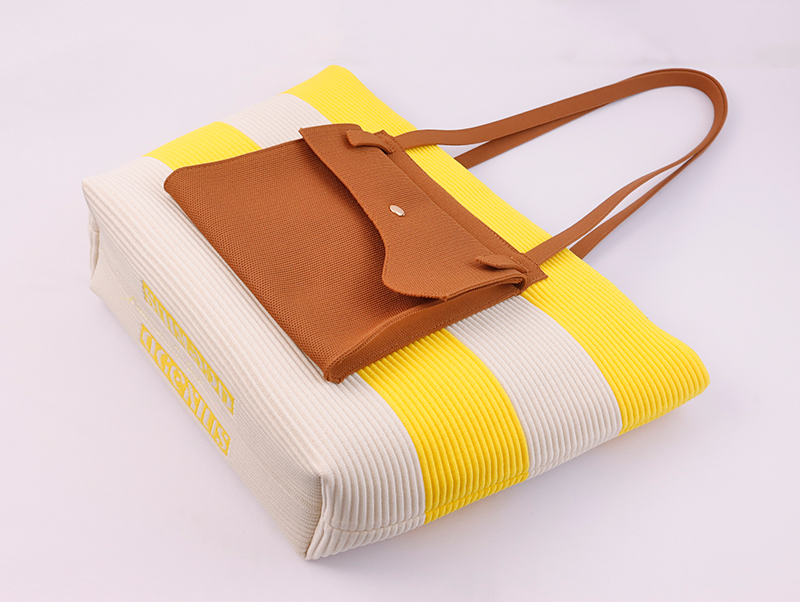
What really makes a woven bag feel premium isn’t just material thickness or a recognizable logo. It’s often the small, almost tactile decisions: the density of the weave, how the handles are reinforced, and whether the edges lay flat instead of curling. A bag with tight, even stitching across the base plus a subtle interior finish can trick your hands into thinking it costs twice as much.
Lining matters more than most people expect. A cheap woven bag usually has exposed raw seams or thin, slippery fabric inside; a premium one often uses a soft cotton or suede-like lining that gives structure without adding bulk. Hardware choices—matte zippers, leather-wrapped pulls, or magnetic snaps that close with a gentle click—also raise the perceived quality before you even notice them.
Finally, the drape and weight distribution. When you set a premium woven bag down, it shouldn’t collapse into a shapeless heap, but it also shouldn’t feel stiff. It should hold a subtle curve and sit upright, with the straps falling naturally. These details, more than any single feature, are what separate a bag that simply looks expensive from one that actually feels expensive in daily use.
The Weave Patterns That Boost Durability Without the Bulk
Most people assume that toughness requires thickness, but the real secret often hides in the geometry of the threads themselves. Ripstop, for instance, interlaces heavier fibers at regular intervals into a lighter base weave, creating a grid that stops tears from spreading while keeping the fabric surprisingly thin and flexible. This principle—strategic reinforcement rather than uniform heft—allows gear to shrug off abrasion without turning into armor plate.
Another approach plays with yarn twist and density instead of layer count. High-twist yarns pack more individual fibers into each thread, improving tensile strength without adding weight. Combined with a balanced plain weave or a subtle twill, the result is a material that resists punctures and daily scuffs yet still drapes naturally. It is the difference between a stiff, overbuilt panel and a textile that moves with you while quietly outlasting its heavier counterparts.
Then there are hybrid patterns that blend two weave types in one cloth—say, a smooth face for low friction and a textured back that traps air for cushioning. This layered logic means durability comes from how the structure manages stress, not from piling on more material. The outcome is gear that feels light on the shoulders but handles years of hard use, proving that clever engineering beats brute mass every time.
From Beach Days to Boardrooms: Styling Woven Carryalls
Throw a woven carryall over your shoulder with a slouchy linen shirt and worn-in denim cutoffs, and it instantly reads as a day at the coast. The open weave catches sand and sunscreen without fuss, while the natural straw or raffia texture softens bright summer colors. Add a canvas tote inside for wet swimsuits, and let the bag's slightly irregular shape do the talking.
For a Monday meeting, swap the beach tunic for a crisp cotton blazer and straight-leg trousers. A woven carryall with leather handles and a structured base keeps its shape on a desk or chair, while the tactile weave adds just enough contrast to polished separates. Stick to neutral tones like oat, tan, or charcoal, and tuck away any dangling shells or tassels before you walk through the door.
In a boardroom, the same bag can carry a slim laptop, a folded presentation, and a small pouch of essentials without looking out of place. Choose a tighter weave and a darker finish, and let the carryall sit upright next to your chair rather than slouching on the floor. Colleagues may ask where you found it—say it works harder than it looks, and leave it at that.
Hidden Details That Separate Everyday Bags from Long-Term Favorites
A quick glance won't tell you much. Flip open the main compartment and run your thumb along the seam where the strap meets the body. On a bag built to last, you'll feel a tight, doubled row of stitches and a small bar tack at the corner—something that looks almost like an afterthought but prevents the fabric from tearing under daily load. Cheaper everyday bags skip this because it adds seconds to production and nobody notices in a product photo.
Inside, the small choices get even more specific. A lining that slides against your belongings instead of gripping them makes one-handed access easier, while a zipper with slightly larger coil teeth catches less and lasts longer than the tiny, fine-tooth versions used on display models. Pocket placement matters too: a bag that tilts forward when you set it down usually has an interior pocket sewn too high or a base panel cut one centimeter too narrow.
Over time, hardware tells the real story. Matte-finish zippers and buckles tend to hide scratches better than high-shine plating, and feet made from solid brass or dense resin keep the bottom off wet pavement without cracking. Even the way a strap attachment is folded under the piping—whether it's box-stitched in three directions or simply topstitched once—can predict whether the bag stays comfortable after months of carrying a laptop, a water bottle, and the usual daily clutter.
Simple Cleaning Routines That Preserve Texture and Color
Most fabric damage happens before you even reach for the detergent. A quick shake outside removes dust and grit that would otherwise grind into fibers during the wash, dulling both texture and color. Turn garments inside out before loading them, and fasten any zippers or buttons so they cannot snag delicate weaves.
Stick with cold water and a mild, bleach-free liquid detergent. Hot water can break down elastic and cause dyes to bleed, while powder detergents sometimes leave residue that stiffens fabric. If you are dealing with a stain, spot treat it with a tiny amount of detergent and your fingers rather than scrubbing the whole piece.
Skip the dryer whenever possible. Heat is the fastest way to shrink fibers and fade colors. Lay knits flat on a towel, reshape them gently, and let everything air dry away from direct sunlight. This small habit keeps textures soft and colors looking close to new for much longer.
How to Pick the Right Size and Shape for Your Daily Load
Daily load sizing isn't about guessing the biggest number on the chart. It starts with an honest look at what you actually carry on a typical day—laptop, lunch, gym clothes, a book or two. Lay those items out and measure their combined bulk, not their weight alone. A bag that fits your gear with about 15% spare room feels right without tempting you to overpack. Too big, and everything sloshes around; too small, and you're doing the suitcase sit-and-zip every morning.
Shape matters just as much as volume. A tall, narrow pack suits commuters who stand on trains and weave through doorways, while a shorter, wider tote works better for car trunks and under-desk storage. Think about how the bag sits against your body: a curved back panel follows your spine, flat bottoms stay upright when you set them down, and tapered tops prevent that annoying flop-over when the bag is half empty. The silhouette should match your movement patterns, not just your stuff.
Finally, test the fit with your real load before committing. Put your heaviest items in first and walk around the store or your living room for ten minutes. Pay attention to pressure points on your shoulders, whether the bag sways when you bend, and if you can reach a water bottle without taking the whole thing off. The right size and shape disappear as you move—you shouldn't have to fight your bag just to get through a normal day.
FAQ
The weave tightness matters more than thickness. Look for double-stitched seams, reinforced base panels, and fibers like polypropylene or waxed cotton that resist fraying. A bag that keeps its shape when empty is usually built to last.
Pay attention to the finishing details — leather or wooden handles, metal rivets at stress points, and a lining that hides raw edges. Neutral colors with a subtle texture pattern tend to read more refined than bright plastic-looking weaves.
Yes, if the bottom is structured and the handles are attached through the weave rather than just stitched on top. Load-test by pressing down on the empty bag; it should resist collapsing. For groceries, pick a design with a flat rectangular base so items don't roll around.
Most natural fiber bags can be spot-cleaned with mild soap and cold water, then air-dried away from direct sun to prevent fading. Synthetic weaves often rinse clean with a hose. Avoid machine washing unless the label specifically says it's safe — agitation can loosen the weave.
Waxed cotton and jute offer a classic, breathable feel, while recycled polypropylene and nylon give water resistance and lighter weight. Leather-trimmed versions add structure. Cheaper bags often use stiff, brittle plastic strips that crack at the folds.
Check the intersections of the weave — they should be uniform with no gaps or loose strands. Pull gently on the handle attachment; it shouldn't stretch or separate. Inside, look for bound seams and a reinforced bottom panel. A quality bag often has a slight weight to it without feeling bulky.
They can, if you pick the right silhouette. A structured, leather-handled woven tote in a dark tone works with office wear, while a slouchy, colorful basket style fits weekend outings. Avoid overly rustic textures like raw straw for formal settings.
Stuff them with acid-free tissue paper or a folded cotton towel to prevent creasing, and hang them by the handles rather than folding. Keep them in a dust bag or pillowcase away from humidity. For structured styles, store upright on a shelf with purse pillows inside.
Conclusion
A truly premium woven bag rarely announces itself through flashy branding. Instead, you feel it the moment your hand wraps around the handle—the fibers are tightly twisted, the edges lie flat without fraying, and the interior lining doesn't bunch at the corners. The weave pattern does more than look pretty; a dense herringbone or basket weave distributes stress across the bag's body, so daily loads won't cause sagging or tears, while still keeping the profile light. Hidden reinforcements matter too: double-stitched seams along the base, reinforced attachment points where straps meet the bag, and a slightly structured bottom panel prevent that floppy, shapeless look after a few months. These details are what separate a carryall you replace each summer from one that still looks sharp after years of weekly use.
Styling a woven carryall is less about matching colors and more about proportion. A medium-sized tote with a firm base works as well with linen trousers and a blazer as it does with a swimsuit and sandals, provided the weave isn't overly rustic. For daily errands, pick a size that holds your essentials without looking empty—about 30 to 40 centimeters wide is a sweet spot for most frames. To keep texture and color intact, shake out crumbs after each use and spot-clean stains with a soft brush and mild soap diluted in cool water; never machine wash or soak, as that breaks down natural fibers and fades dyes unevenly. Air dry it upside down away from direct sun. When you match the bag's dimensions to what you actually carry, it becomes less of an accessory and more of a quiet workhorse that ages gracefully.
Contact Us
Contact Person: Mr Deng
Email: [email protected]
Tel/WhatsApp: +86-18926872657
Website: https://www.uniyongfeng.com/