

Best TFT Screen Module Guide: Ultimate Choices & Installation Tips
2026-04-21
Have you ever wondered what makes a truly exceptional TFT screen module? In the world of display technology, choosing the right component can make all the difference for your project's success. As we dive into the best TFT screen modules and expert installation tips, we'll explore how to optimize performance, ensure durability, and achieve stunning visuals. At Jingda-Display, we're passionate about delivering cutting-edge solutions that meet the highest standards. Stay tuned as we uncover the ultimate choices that will elevate your designs and simplify your installation process!
Discover the Top Criteria for Selecting Your TFT Screen Module
When picking a TFT screen module, start by considering resolution and display quality. A higher resolution ensures crisp images and sharp text, which is vital for applications from medical devices to gaming interfaces. But don't just go for the highest specs—think about your specific use case. For instance, a sunlight-readable display might be more crucial than ultra-high resolution in outdoor kiosks.
Next, evaluate touch technology and responsiveness. Resistive touchscreens are durable and cost-effective for industrial settings, while capacitive options offer sleek, multi-touch capabilities perfect for consumer electronics. Pay attention to the module's interface compatibility, like HDMI or LVDS, to ensure seamless integration with your system without needing extra adapters that could add bulk or cost.
Finally, assess durability and environmental factors. Look for modules with wide operating temperature ranges and robust construction if they'll face harsh conditions. Energy efficiency can also be a game-changer, especially in battery-powered devices, where it directly impacts runtime. Balancing these criteria helps you choose a TFT screen that not only looks great but also performs reliably in real-world scenarios.
Step-by-Step Installation Guide to Ensure Flawless Setup
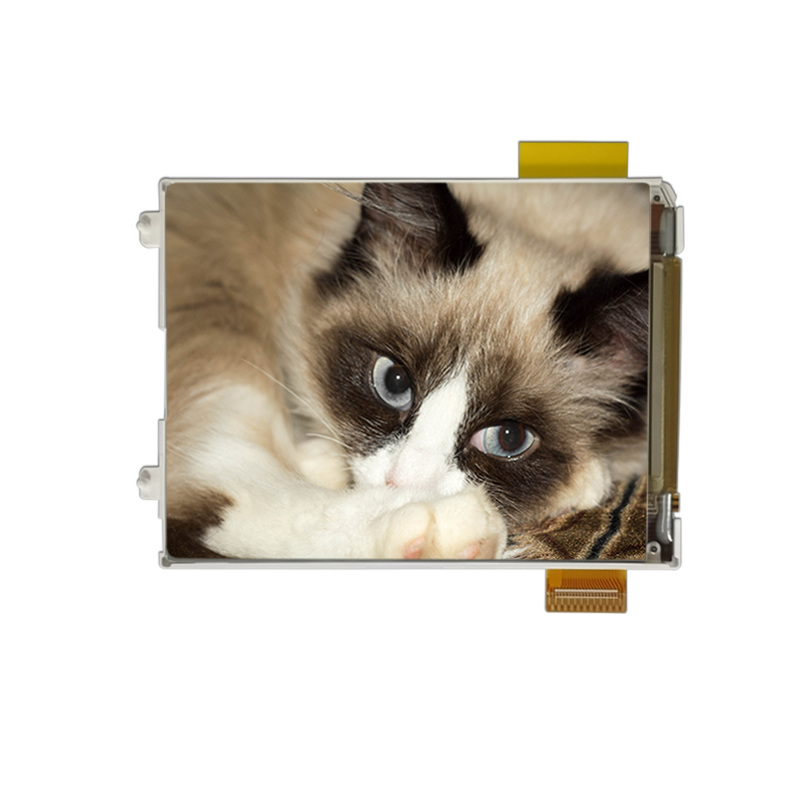
Getting started with our software is straightforward, but following a few key steps can make all the difference between a smooth launch and unexpected hiccups. Instead of rushing through the process, take a moment to download the latest version from our official site and close any other applications that might interfere. This proactive approach not only prevents conflicts but also streamlines the installation, setting you up for success from the very beginning.
Once you've initiated the installer, pay close attention to the customization options available. Many users overlook these settings, but tailoring them to your specific needs—such as choosing the installation directory or enabling optional features—can optimize performance and avoid future adjustments. We recommend reviewing each screen carefully; it's a small time investment that pays off with a setup that feels personalized and efficient, rather than generic.
After the installation completes, don't just assume everything is ready to go. Run the initial setup wizard or check for any post-installation steps, like verifying system requirements or updating drivers if needed. This final verification step is often skipped, but it ensures that all components are correctly configured and ready for use, giving you confidence that your setup is truly flawless and ready to handle whatever tasks you throw at it.
Troubleshooting Common Issues and Quick Fixes
Running into snags with your device or software can be frustrating, but many common problems have surprisingly simple solutions. If your device isn't turning on, first try a different power outlet or cable—it's often just a loose connection or faulty charger causing the issue. Slow performance might stem from too many apps running in the background; closing unused programs or restarting your system can often restore speed without any complex tweaks.
Connectivity issues like Wi-Fi dropping out frequently can often be resolved by moving closer to your router or resetting it entirely. For software glitches, such as apps crashing unexpectedly, checking for updates or reinstalling the problematic application usually does the trick. Remember, a quick search in your device's support forum might reveal that others have faced and fixed the same issue with a straightforward workaround.
In cases where these quick fixes don't help, consider reaching out to the manufacturer's support or consulting online communities for tailored advice. Keeping your system updated and performing regular maintenance, like clearing cache files, can prevent many issues from arising in the first place, saving you time and hassle down the line.
Enhancing Performance with Advanced Configuration Tips
In today's fast-paced digital environment, squeezing every bit of performance out of your system can make a real difference. Advanced configuration isn't just about tweaking a few basic settings; it's about diving into the nuanced options that often get overlooked. For instance, optimizing your database connection pooling or fine-tuning garbage collection parameters can lead to significant speed improvements, especially under heavy load. These adjustments require a deeper understanding of how your specific tools interact, but the payoff in responsiveness and efficiency can be substantial.
Beyond the standard setup, consider leveraging custom scripts to automate performance checks and adjustments. This proactive approach helps you catch bottlenecks early and adapt configurations dynamically based on usage patterns. Tools like load balancers and cache mechanisms, when configured with advanced strategies—such as predictive scaling or intelligent data distribution—can further boost throughput and reduce latency, turning a sluggish system into a smooth-running powerhouse.
Moreover, don't underestimate the impact of environment-specific tweaks. For example, tailoring settings for different deployment scenarios, such as cloud vs. on-premises, or adjusting for peak traffic times, can yield noticeable gains. Experimentation and monitoring are key here; use performance metrics to guide your changes and refine configurations iteratively. By embracing these advanced tips, you'll not only enhance performance but also build a more resilient and adaptable system overall.
Comparing Leading Brands and Models for Optimal Value
When diving into the market for the best value in electronics, it's easy to get lost among countless options. By comparing leading brands and models, you can pinpoint devices that balance cost, performance, and durability. For instance, some models from well-known manufacturers offer premium features at mid-range prices, while newer brands might disrupt the scene with innovative designs. Taking the time to research and contrast key specs, user reviews, and warranty terms can reveal hidden gems, ensuring you don't overspend or compromise on quality.
One smart approach is to focus on real-world usage rather than just technical specifications. In categories like smartphones or laptops, what sets certain models apart is their ability to deliver a smooth experience without breaking the bank. Consider how a brand's reputation for reliability or its software support might affect long-term satisfaction. By evaluating factors like battery life, ease of repair, and accessory availability, you can make a more informed decision that extends beyond the initial purchase.
Ultimately, finding optimal value means looking beyond flashy marketing and sales pitches. It involves weighing the trade-offs between cost and features, and sometimes, a slightly older model from a top brand might offer better durability and support than a newer, cheaper alternative. Paying attention to deals and seasonal discounts can also tilt the scales, making a high-end model surprisingly affordable. This comparison process empowers consumers to invest wisely and get the most out of their hard-earned money.
Maintenance Best Practices to Extend Screen Lifespan
Wondering how to keep your screens shining bright for years? Start with something simple – regular cleaning. Dust and smudges aren't just eyesores; they can cause overheating and degrade screen coatings over time. Grab a microfiber cloth and a gentle, screen-safe cleaner. Always power off the device first to avoid damaging pixels or circuits. For stubborn spots, a light spray on the cloth, not directly on the screen, works wonders. It's a quick habit that prevents long-term wear and keeps colors vibrant.
Next up, brightness settings – your screen's best friend or worst enemy. Cranking up the brightness to max might look stunning, but it accelerates pixel aging and shortens overall life. Instead, adjust brightness to match your environment. In dim rooms, dial it down; outdoors, a moderate boost is fine. Enabling auto-brightness if your device has it can do this automatically. Also, set shorter screen timeout periods to reduce unnecessary usage. These tweaks not only cut energy consumption but also significantly prolong the screen's active hours.
Don't overlook physical protection and proper storage. Invest in a quality screen protector or case to guard against scratches and impacts. When not in use, avoid leaving screens in hot cars or direct sunlight, as heat can warp panels and fade displays. For longer idle periods, consider using standby modes or turning off completely. Handling with care during transport prevents flexing or pressure damage. By combining these steps, you'll notice your screens maintain clarity and responsiveness far beyond average lifespans, making every viewing session a pleasure.
FAQ
Focus on resolution, brightness, viewing angles, interface compatibility, and durability to ensure the module meets your specific application needs without overspending.
TFT modules often require careful handling of connectors and backlighting, with precise alignment during mounting to avoid pressure damage or misalignment issues.
Yes, most TFT modules support common interfaces like SPI or I2C, but check datasheets for voltage levels and driver compatibility to avoid integration hassles.
Avoid static discharge by grounding yourself, ensure connectors are fully seated without forcing, and test before final assembly to catch wiring or firmware issues early.
Budget-friendly options like ILI9341-based modules provide good color and speed, but balance cost with features like touch capability or higher refresh rates based on your project scope.
Use protective coatings against moisture, secure mounting to minimize vibrations, and operate within specified temperature ranges to prevent premature failure or image degradation.
Have a soldering iron for connectors, multimeter for testing voltages, anti-static mat, mounting screws, and access to datasheets or community forums for troubleshooting advice.
Conclusion
Navigating the world of TFT screen modules can be daunting, but focusing on key criteria like resolution, viewing angles, and power consumption makes selection straightforward. This guide emphasizes comparing top brands to ensure optimal value without overspending, while advanced configuration tips help fine-tune brightness and contrast for enhanced performance. By prioritizing these factors, users can confidently choose a module that suits their needs, whether for industrial applications or personal projects.
A flawless setup is achieved through a step-by-step installation process that prevents common issues like loose connections or firmware glitches. The guide covers practical maintenance practices, such as regular cleaning and avoiding extreme temperatures, to extend screen lifespan significantly. Troubleshooting sections offer quick fixes for problems like dead pixels or flickering, ensuring minimal downtime. Mastering these techniques transforms a basic installation into a reliable, high-performing display system, ready for long-term use.
Contact Us
Contact Person: Vincent
Email: [email protected]
Tel/WhatsApp: 86 135 5485 1379
Website: https://www.jda-display.com/