
Best Water Flow Detectors for Smart Home Leak Prevention
2026-07-12
Water damage can be a homeowner's worst nightmare, often striking without warning. That’s where smart water flow detectors come in, offering real-time monitoring and early alerts to prevent costly leaks. Among the leading solutions, DRIFCO stands out with advanced detection technology that integrates seamlessly into any smart home setup. In this guide, we’ll explore the best options available, helping you choose the perfect guardian for your property.
The Hidden Dangers of Undetected Leaks in Modern Homes
Water seeping silently behind walls or under floors can compromise a home’s structural integrity long before any visible signs appear. Wooden beams and joists slowly rot, metal fasteners corrode, and drywall turns spongy, leading to costly repairs that could have been avoided with early detection. Even concrete foundations aren’t immune—prolonged moisture can cause cracking and shifting, undermining the stability of the entire building.
The air you breathe indoors can become a health risk when hidden leaks create perfect conditions for mold and mildew. These fungi release spores that trigger allergies, asthma flare-ups, and other respiratory issues, often without occupants realizing the source. Musty odors might be the only clue, but many people mistake them for poor ventilation, allowing the problem to worsen behind the scenes.
Beyond the immediate physical damage, undetected leaks can attract unwanted pests drawn to damp environments. Termites, carpenter ants, and rodents thrive in moist wood and hidden cavities, multiplying unnoticed. An infestation can take hold and spread extensively before it’s discovered, adding another layer of expense and stress to what started as a simple plumbing issue.
How Water Flow Detectors Outsmart Traditional Leak Sensors
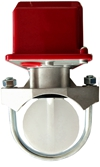
Most people know the drill with traditional leak sensors: you place them near a washing machine or water heater, and they scream when moisture hits their contacts. But that approach has a blind spot—it only reacts after water is already pooling on the floor, often when damage is underway. Water flow detectors take a smarter route by monitoring the actual movement of water through your pipes. Instead of waiting for a puddle, they track real-time usage patterns and instantly flag anomalies, like a pipe burst or a slow drip that never stops. By catching problems at the source, they can shut off the water before a minor leak turns into a major restoration project.
Another way flow-based systems outsmart their simpler cousins is through learning. Traditional sensors don't know if that splash came from a dripping faucet or a kid's bath toy—they just alarm. Advanced flow detectors, on the other hand, build a baseline of your home's water habits. They distinguish between a running dishwasher and a cracked supply line, so you get precise alerts without false alarms. Some even track tiny, continuous draws that could signal a slab leak you'd never notice until your water bill skyrockets. This intelligence means fewer interruptions and more targeted action.
Beyond just spotting leaks, these detectors often integrate with smart home systems and automatic shutoff valves to respond in seconds. Picture a sensor that not only tells you there's a problem but also kills the main water line while you're at work, then pings your phone. That's a level of protection a simple moisture pad can't match. By focusing on flow patterns rather than floor moisture, water flow detectors shift the entire strategy from reactive cleanup to proactive prevention—keeping your home dry without keeping you up at night.
Key Features That Separate Premium Detectors from Basic Models
Premium detectors earn their reputation through a combination of advanced materials and thoughtful engineering that entry-level models simply can't match. The coil design, for instance, moves beyond standard concentric or double-D configurations into specialized shapes and shielding techniques, enabling sharper target separation in trashy soil. These units also feature multi-frequency or selectable frequency options, allowing users to optimize performance for specific targets or ground conditions, rather than being locked into a single, compromise frequency.
Another hallmark is the level of user control and feedback. While basic machines force you to rely on a few preset discrimination patterns and a single tone, top-tier detectors offer extensive notch discrimination, tone break adjustments, and multiple audio modes—including full-tones and pitch audio—turning complex signals into clear information. High-resolution target ID, often combined with real-time ground phase readouts and customizable reactivity settings, gives experienced users the tools to interpret what’s beneath the coil with far greater confidence.
Build quality and weatherproofing separate the two classes as well. Premium detectors are built to withstand harsh environments, from saltwater beaches to dusty fields, often featuring carbon-fiber shafts, fully submersible housings, and vibration reduction systems. Wireless integration, rechargeable battery packs, and even GPS mapping add practical value, but the real difference lies in performance under pressure—stable identification at depth, smooth operation in iron-infested sites, and reliable ground tracking that keeps sensitivity high without constant manual adjustments.
Real-World Installation Stories: Lessons from Early Adopters
One warehouse manager in Ohio discovered the hard way that “plug-and-play” doesn’t always mean what the brochure suggests. The new automated sorting line they’d invested in required a very specific voltage regulator that wasn’t mentioned until the third day of integration. Costly downtime ensued while a specialist was flown in, and the whole fiasco could have been avoided with a pre-installation audit that went beyond the manufacturer’s checklist.
Across the Atlantic, a small textile firm in Portugal found that their eagerness to adopt a cutting-edge dye control system outpaced their workforce’s readiness. The installation itself was flawless, but production dipped 17% in the first month because operators reverted to old habits when the new interface confused them. The lesson here was blunt: technical rollout without robust, hands-on training that respects actual shop-floor workflows is just an expensive exercise in frustration.
Perhaps the most repeated insight from these pioneers involves data migration. A mid-sized retailer in Canada assumed their legacy inventory records would map neatly onto the new platform, only to watch in horror as mismatched SKUs created phantom stock levels overnight. It took a four-person team three solid weeks to manually reconcile the database, a pain they now warn every newcomer about. These stories share a common thread—successful installation isn’t a milestone, it’s a process that only starts when you open the crates.
Integrating Flow Monitoring into Your Existing Smart Home Ecosystem
Smart homes thrive on devices that talk to each other, but flow monitoring often sits in a silo. The key is to bring water usage data into the same routines you already rely on. Pair your flow sensor with a hub like Hubitat or Home Assistant, and suddenly a leak alert can trigger your smart bulbs to flash red in the bathroom, or a high-flow event from the washing machine can send a push notification only if you’re away. It’s about making water data actionable within the logic you’ve already built, not adding another app to check.
The plumbing of information matters more than the plumbing of pipes here. Many flow monitors expose a local API or speak Z-Wave/Zigbee, so you can cut out the cloud and let your automations run with near-zero latency. Imagine a scene where the dishwasher finishes its cycle, the flow sensor catches the sudden stop, and your ecosystem fires off a “dishes clean” announcement over the Sonos—no extra sensors needed. That kind of chaining turns a simple meter into a context-aware trigger that feels almost like magic.
Don’t overlook the smaller convenience plays, either. A flow sensor on your outdoor spigot can log exactly how much water the garden used, and with a weather integration, your system might skip a scheduled watering if rain is in the forecast. Inside, a bathroom hygrometer talking to the same hub can run the exhaust fan based not just on humidity, but on whether the shower is actually running—saving energy and guessing. The beauty is that you’re not reinventing your smart home; you’re just teaching it a new sense: the ability to feel the flow of your home’s lifeblood.
Predicting Water Waste: How Data Analytics Can Save Thousands of Gallons
Water loss is a silent drain on both municipal budgets and environmental health, often going unnoticed until bills spike or mains burst. Modern analytics flips that reactive script by tapping into real-time flow data from pipelines, paired with historical consumption patterns, to flag subtle anomalies—like a slow, persistent drop in pressure that hints at an undetected leak. Before a single gallon hits the pavement, algorithms can pinpoint probable failure points and issue alerts, letting crews move from emergency patches to planned maintenance. It’s the difference between losing thousands of gallons to a catastrophic break and tightening a valve during off-peak hours.
Beyond leak detection, predictive models chew through weather data, soil moisture readings, and even social event calendars to forecast spikes in usage. A city park’s irrigation system, for instance, can be automatically adjusted when rainfall is expected, instead of running on a fixed schedule. On a larger scale, utilities can anticipate that pre-Thanksgiving cooking surge in a residential zone and balance pressure accordingly, cutting down on wasteful overflow. These adjustments are granular and dynamic, not the one-size-fits-all conservation campaigns that tend to fade after a dry summer.
The real power, though, comes when the feedback loop extends to the end user. In pilot programs where households receive personalized, data-driven nudges—think a simple text that says “Your usage is spiking tonight compared to similar homes”—behaviour shifts stick. People start spotting their own invisible waste, like a toilet flapper that doesn’t seal or a hose left trickling. Wrapped into a broader analytics platform, these small resets compound, turning what used to be a flood of lost water into a measurable million-gallon reserve, year after year.
FAQ
It monitors the water moving through your pipes and alerts you the moment something seems off—like a burst pipe or a slow drip that's been going unnoticed. Think of it as a silent watchdog that can shut off your water automatically if it senses a major problem, saving you from a potential indoor flood.
Many models are designed for a straightforward DIY install. You typically clamp the sensor onto your main water line, connect it to your Wi‑Fi, and you're done. No pipe cutting needed. But if you're not comfortable poking around your plumbing, having a pro do it takes about 30 minutes.
The Flume 2 is a favorite for its price and ease of use—it straps right onto your meter. For a built‑in automatic shut‑off valve, the Moen Flo is hard to beat. And if you want a whole‑home solution that also tracks every drop, Phyn Plus offers impressive leak detection without a monthly subscription.
Absolutely. The smarter ones learn your home's water‑use patterns over a week or two. They can distinguish between a long shower, a dishwasher cycle, and a genuine catastrophe. Some even classify tiny leaks—like toilet flapper issues—and send you a specific alert instead of a generic warning.
Not always. Several top‑tier detectors offer full functionality without a subscription. For instance, Flume 2 gives you detailed water‑usage data and alerts for free. Others like Phyn Plus include everything in the upfront cost. Always double‑check, because a few brands do lock premium features behind a paywall.
Yes, many integrate smoothly with voice assistants and broader smart‑home ecosystems. You can ask Alexa for your daily water usage, or set up routines where the detector triggers other devices—like turning on a smart light if it senses a leak. Check for Works‑with‑Alexa or Google‑Home compatibility on the box.
That's where the real magic happens. Some detectors can automatically shut off your main water valve when they detect a catastrophic flow, preventing thousands of dollars in damage. Even without an automatic shut‑off, you'll get an instant phone notification, so you can call a neighbor or a plumber to handle it before you get back.
Conclusion
A burst pipe or a slow, hidden leak can quietly destroy a home’s structure and rack up thousands in water damage before anyone notices. Unlike traditional moisture sensors that only react after water pools on the floor, modern water flow detectors monitor the entire plumbing system in real time, catching anomalies the moment they occur. These devices learn your home’s typical water usage patterns—such as showers, dishwashers, and irrigation cycles—and instantly alert you to unexpected flow that could indicate a pinhole leak or a catastrophic break. Early adopters have shared stories of how a flow detector caught a toilet flapper stuck open at 2 a.m., saving hundreds of gallons, or how it automatically shut off the main valve while a family was on vacation, preventing what would have been a flooded basement. The real advantage lies in the seamless integration with existing smart home ecosystems; many detectors now sync with voice assistants and home hubs, offering remote control, real-time alerts, and even pairing with leak sensors for layered protection.
Premium models stand out by offering features like ultrasonic flow measurement, pressure monitoring, and detailed water usage analytics that go far beyond simple leak alerts. These insights not only help locate waste but can predict future consumption patterns, enabling households to save thousands of gallons annually. Installation is typically straightforward, with most units attaching to the main water line without cutting pipes—a DIY project that often pays for itself after the first avoided leak. The analytics dashboard becomes a powerful tool for conservation-minded families, showing exactly how much water is used per fixture and flagging inefficiencies like over-watering or forgotten running faucets. Ultimately, the best water flow detector transforms an invisible threat into a manageable, data-driven problem, giving homeowners both peace of mind and a tangible reduction in their water bills. The shift from reactive, single-point sensors to proactive, whole-home monitoring marks a new standard in leak prevention, making these devices an essential component of any modern, intelligent home.
Contact Us
Contact Person: George
Email: [email protected]
Tel/WhatsApp: 13863633883
Website: https://www.es-fire.com