
China Port Dredging Supplier Ensures Safe Navigation and Efficient Harbor Operations
2026-08-30
When a harbor starts losing depth, the consequences ripple far beyond a few stuck anchors. Dredging is the quiet workhorse that keeps global trade moving, and few understand that better than the engineers behind China’s port projects. From silt-choked approach channels to berths that need precise deepening, the right supplier doesn’t just move mud—they unlock safer navigation and turn sluggish terminals into efficient hubs. YaKai Dredger has spent years refining exactly that, blending field-tested equipment with an understanding of how tides, sediment, and vessel traffic interact.
Dredging That Keeps Fairways Open While Cargo Keeps Moving
Maintaining a navigable channel is rarely a job that can wait for quieter periods. The dredges working these waterways are scheduled around vessel traffic, not instead of it, using precise positioning and real-time depth monitoring to carve out high spots without forcing ships to anchor. It’s a rhythm that develops between pilots, terminal operators, and the dredge crew: a few passes near the edge of the channel while a container vessel eases by, then back to the centerline once the wake settles.
Sediment doesn’t stop accumulating just because a berth is busy, so the approach here leans on continuous, small-footprint dredging rather than occasional large campaigns. Hopper dredges load in one reach and sail to a designated placement site, while backhoe and cutter suction units handle tighter corners. The result is a fairway that holds its declared depth through peak cargo seasons, without the stop-start pattern that used to delay turnarounds.
How a China Dredging Team Reads Local Sediment Patterns
Before a dredge ever touches the water, the team walks the shoreline at low tide, pressing boot heels into the mud and watching how the sediment releases water. Color tells them half the story: dark gray clays mean slow deposition from upstream, while yellowish silt indicates recent storm runoff. They rake through the top few centimeters with a flat spade, noting the layering—thin alternating bands of fine sand and organic muck reveal how tidal currents shift direction over a single lunar cycle, information no sonar map can capture.
The real skill is reading the ripples left on the riverbed after the last flood event. A pattern of asymmetrical dunes, with steep faces pointing downstream, tells the crew exactly where the next shoal will form. They cross-check this against local fishermen's knowledge: if the old-timers say the channel has been creeping east for three seasons, the dredge team plots their cut lines a few meters west of the obvious high spot, anticipating the sediment's own migration instead of just reacting to it.
At the intake pipe, they sample the slurry every half hour, rubbing it between thumb and forefinger. Gritty, angular grains mean fresh erosion from nearby banks—the dredge may be working too close to the edge, destabilizing the very shoreline they were hired to protect. Smooth, rounded particles suggest the sediment has been reworked by the river for decades, and the team can afford to slow the cutter head and let the pump pull a cleaner load. It is this granular reading, repeated over hundreds of cycles, that turns a generic dredging contract into a precise negotiation with the river's own memory.
Restoring Under-Keel Clearance Before It Slows a Pilot
When under-keel clearance starts to shrink, a pilot often has no choice but to ease back on speed. Squat and bank effect become more pronounced, and the margin for error gets uncomfortably thin. The problem is that slowing down in a busy channel can ripple outward, disrupting berthing schedules and creating bottlenecks that take hours to unwind.
The practical fix usually starts with a fresh hydrographic survey. High spots may have built up faster than expected, or siltation shifted after a storm. Instead of waiting for the next scheduled dredging campaign, port authorities and pilots can compare real-time tide gauges against charted depths and identify where a short, targeted dredge run would restore the clearance that pilots actually need.
Some ports now tie this into a daily routine. A pilot planning an inbound transit can see the latest UKC forecast, check where the tightest spots are, and request a small maintenance dredger to shave a few centimetres off a known ridge before the ship arrives. That kind of proactive touch keeps traffic moving at normal speeds and prevents a minor depth issue from turning into a standing slow-order for every deep-draft vessel.
Cutter Suction Choices That Match the Harbor Floor, Not Just Specs
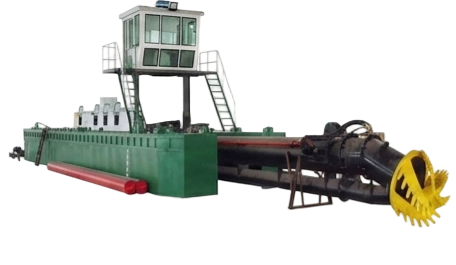
A spec sheet can tell you the theoretical flow rate or the maximum dredging depth, but it never mentions how a cutter suction dredger actually behaves when the harbor floor turns out to be a patchwork of stiff clay and loose gravel. The real choice starts with a simple question: what does the ground under the water actually resist? On paper, two pumps may look identical, yet one will clog its suction mouth within minutes on a bed of sticky silt while the other keeps a steady slurry moving. That difference rarely shows up in the brochure. It comes from the cutter head design, the shape of the suction inlet, and how the whole system handles sudden changes in soil density, not from the horsepower alone.
Harbor floors are rarely uniform. A chart from last year might say “sand,” but the operator knows that a thin layer of sand can hide a lens of compacted marl or a buried run of old timber. Choosing a cutter suction setup means thinking about how the dredger will react when it hits a surprise. Does the cutter have enough torque to chew through a hard patch without stalling? Can the ladder angle be adjusted quickly enough to follow a dipping rock shelf? These are practical questions that separate a machine that matches the harbor floor from one that merely matches the specs. A high peak output is pointless if the suction line pulses and loses prime every time the ground changes character by ten percent.
The best choice often comes down to small details that never make it into a comparison table. The angle of the cutter blades, the distance between the cutter and the suction mouth, the wear pattern on the pump impeller after fifty hours in abrasive conditions—these tell you whether the dredger can actually work the harbor floor you have, not the one imagined in a lab. When a harbor has a history of variable sediment, or when the seabed includes pockets of hardpan mixed with soft organic mud, the right cutter suction unit will let the operator feel the difference through the controls and respond without shutting down. That kind of fit cannot be ordered from a catalog. It has to be chosen by someone who has watched the ground change under the water.
Night Dredging Windows That Respect Busy Berth Schedules
Rather than closing a berth during peak hours, dredging planning starts with the existing traffic pattern. The team maps each vessel arrival and departure over a two-week period and identifies recurring gaps—often between 01:00 and 04:00—when a berth face is free. Those short windows become the working envelope.
Once a window is locked in, the dredge moves in with a pre-agreed checklist. A survey boat runs a quick sweep, the dredge positions against the quay, and material is removed only from the spots that have shoaled below the design depth. Harbor control keeps one radio channel open for any late schedule changes, but the default is no contact unless something shifts.
The result is a berth that gets its required depth without forcing a ship to wait at anchor. Vessel agents see the same berthing plan they had days earlier, while the port still meets its maintenance targets. It is a working rhythm built around the schedule, not against it.
From Silted Corners to Faster Turnaround Times
Every warehouse has those silted corners—spots where dust gathers, boxes stack unevenly, and time seems to move slower than anywhere else. It’s rarely a dramatic failure. More often, it’s a slow buildup: a label printer placed too far from the packing line, a shelf layout that forces an extra thirty steps per pick, a receiving door that becomes a bottleneck whenever two trucks arrive within the same hour. These small frictions don’t shout for attention, but they quietly stretch turnaround times and wear down even the most experienced teams.
Clearing the silt starts with watching how work actually flows, not how it was designed on paper. One team might notice that returns linger in a corner because nobody wants to walk across the floor with an armful of open boxes. Another might find that packing supplies live in three different places, forcing workers to zigzag through aisles. The fixes are often unglamorous—moving a station closer to the dock, splitting mixed pallets earlier, assigning a single owner to the return area for each shift. But once those corners are cleared, the pace picks up without adding headcount or pushing people harder.
Faster turnaround times rarely come from a single overhaul. They come from dozens of small unblockings that compound over a week. A dock that once took forty minutes to clear now takes twenty-five. A picker who used to walk eight thousand steps a day now walks six. These shifts don’t make headlines, but they show up in the numbers: fewer late shipments, fewer rush orders, and a floor that no longer fights its own layout. The silt didn’t disappear on its own—it was moved, one corner at a time.
FAQ
They typically deploy trailing suction hopper dredgers for large-scale harbor maintenance and cutter suction dredgers for compacted silt or clay. In shallower berths, grab dredgers or backhoes mounted on pontoons handle localized buildup.
Removing high spots and restoring charted depths allows deeper-draft ships to enter without tide delays, cuts the need for lightering, and reduces the chance that a vessel has to wait for a favorable current before docking.
Chinese suppliers often bring a large, modern fleet and crews that have worked on high-volume projects across different sediment types. This can translate into shorter mobilization times and competitive pricing, especially for long-term maintenance programs.
Look for silt curtains around the work zone, continuous turbidity sensors, and a disposal plan that prioritizes beneficial reuse of clean sediment. Some contracts also include seasonal restrictions to avoid fish spawning windows.
Clean sand and gravel can be pumped to beach nourishment sites or used for land reclamation. Silty material may go to confined disposal facilities, while contaminated sediment is treated or sealed according to local regulations.
Before work begins, multibeam sonar identifies shallow areas and estimates volumes. Afterward, the same surveys verify the target depth has been reached and provide a record for the port authority and insurers.
Yes, in most cases. Contractors can sequence work to follow berthing windows, use smaller dredgers near active quay walls, and run night shifts. The key is sharing the port's berth plan weeks ahead so the dredge moves around vessel calls.
Monitoring monthly or quarterly depth changes helps set a trigger level. Once a control depth drops close to the nautical chart target, a maintenance campaign should start before sedimentation compacts or spreads into turning basins.
Conclusion
A reliable port dredging supplier in China does more than clear mud; it keeps shipping lanes usable while cargo continues moving. Instead of treating every harbor the same, the team reads local sediment patterns—how tides, currents, and seasonal runoff deposit silt—and adjusts the dredging plan so fairways stay open without interrupting vessel traffic. That focus on real conditions means pilots get back the under-keel clearance they need before a delay ever appears on the schedule. Cutter suction equipment is selected to match the harbor floor itself, whether that means soft silt in a corner or compacted sand near a berth, rather than simply following a generic specification sheet. This practical approach prevents small shoals from becoming navigational bottlenecks.
Night dredging windows are arranged around busy berth schedules, so terminals do not lose productive hours to maintenance. Crews work in the small hours, clearing silted corners that tugs and barges tend to miss, and by morning the fairway is ready for the next arrival. The result is a harbor that feels predictable: vessels come in, berth, discharge, and depart without the hidden friction of a shoaling channel or last-minute draft restrictions. Faster turnaround times follow naturally when under-keel clearance is restored before a pilot has to slow down. That behind-the-scenes consistency—reading the sediment, respecting the schedule, and choosing the right tool—is what safe navigation and efficient harbor operations actually depend on.
Contact Us
Contact Person: Nancy
Email: [email protected]
Tel/WhatsApp: (+86) 13869631558
Website: https://www.yakaidredger.com/