

China Reflective Film Supplier Insights for Superior Road Safety Solutions
2026-07-30
Road safety depends on visibility, and not all reflective films are created equal. As a leading Jinbo reflective film supplier in China, we've uncovered insights that challenge conventional wisdom—discover what truly makes a difference on the road.
From Concept to Concrete: How China’s Reflective Film Makers Shape Safer Roads
In the bustling labs of China's advanced materials sector, a quiet revolution is taking place—one that begins with microscopic glass beads and ends with lives saved on dark highways. Reflective film, the unsung hero of road safety, has evolved from rudimentary light-bouncing sheets into a sophisticated layer of optical engineering. Chinese manufacturers have embraced this journey wholeheartedly, moving beyond mere replication to pioneer innovations that tackle the country's unique traffic challenges, from fog-shrouded mountain passes to sprawling urban expressways.
The shift from concept to concrete reality isn’t just about mixing retroreflective elements into adhesive layers. It involves deep collaborations between optical physicists, polymer chemists, and safety regulators. For instance, the development of microprismatic films—which deliver superior brightness and wider observation angles—required breakthroughs in precision molding at the nanoscale. Local firms now embed these structures into durable, weather-resistant substrates that withstand extreme rainfall and intense UV exposure, common across China’s diverse climates. The result is signage that guides drivers with startling clarity, even when headlights are dimmed or rain is heavy.
What truly sets this industrial narrative apart is the feedback loop between the factory floor and the open road. Engineers often accompany traffic authorities to accident-prone junctions, studying failure points of older materials. Those gritty, on-the-ground insights then fuel iterative design improvements back in R&D centers. This fusion of digital simulation and real-world testing has enabled rapid refinement cycles, turning promising prototypes into dependable safety infrastructure at a pace few other nations have matched. The concrete outcome is measurable: stretches of highway clad in domestically produced reflective signage are showing marked declines in nighttime collisions, proving that these films are more than just passive reflectors—they are active guardians of the journeys we take.
Breaking Down the Layers: What Sets Premium Chinese Reflective Films Apart
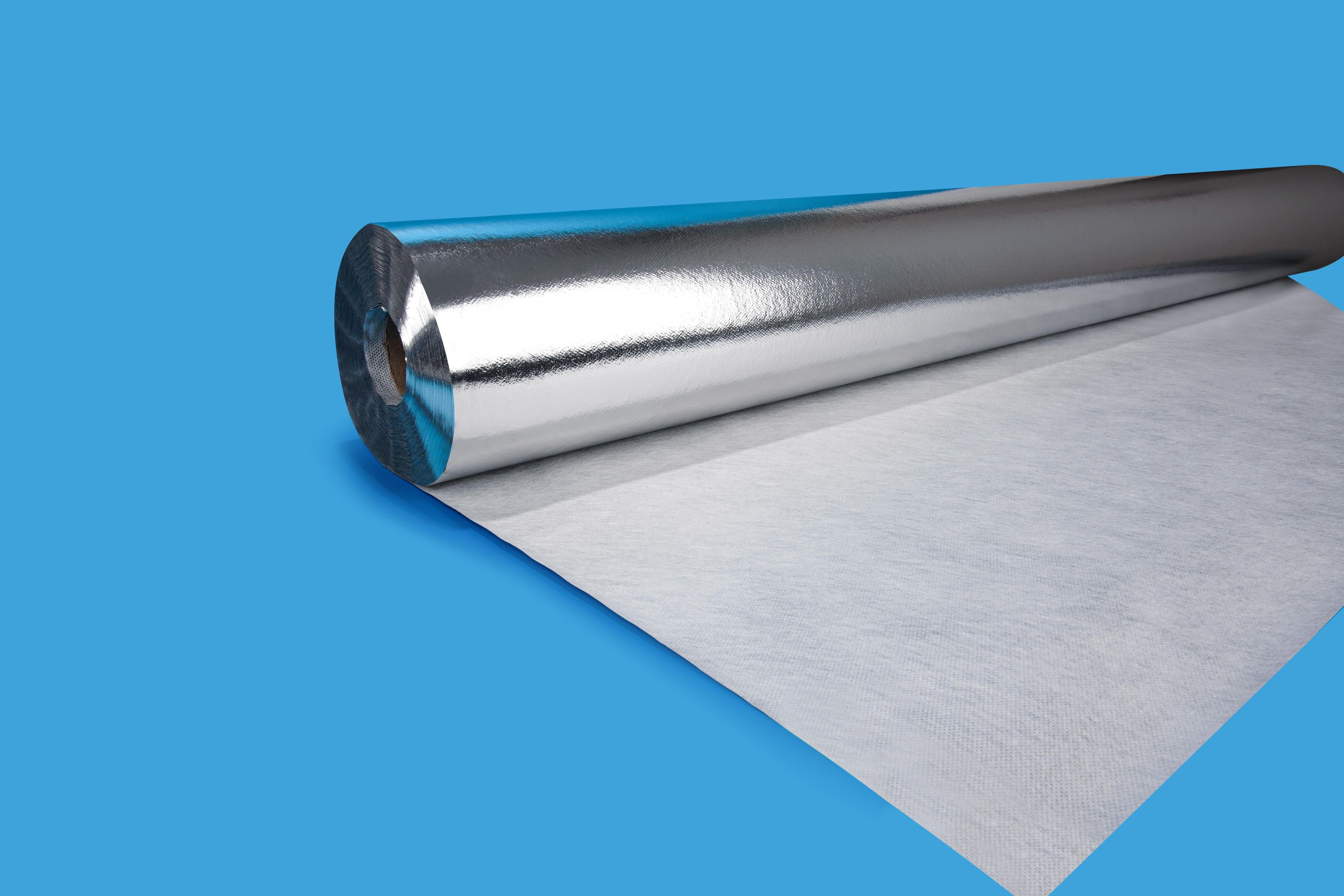
When you peel back the surface of a premium Chinese reflective film, you quickly realize it's not just one layer doing all the work. The top coat often incorporates nano-ceramic particles that do double duty—repelling water and resisting scratches while letting visible light pass through almost unimpeded. Underneath, the adhesive layer isn't just an afterthought; it's engineered with pressure-sensitive acrylics that bond firmly to curved glass without leaving that hazy, orange-peel texture so common in budget alternatives. This careful stacking of materials means the film maintains optical clarity even on wraparound windshields.
The real secret, though, lies in how these layers control heat. Sandwiched between the protective outer skin and the mounting adhesive is a metallized or ceramic-infused core that acts like a selective gatekeeper. Instead of simply darkening the glass, it reflects infrared radiation back toward its source while absorbing minimal heat itself. Premium Chinese factories have refined the sputtering process that deposits these metals atom by atom, yielding a layer so uniform that you won't spot color shifts or rainbow effects when wearing polarized sunglasses. This precision transforms a simple polyester sheet into a high-performance energy barrier.
Durability comes from the blend, not a single breakthrough. UV inhibitors are woven into the base polyester, not just sprayed on top, preventing sun-induced fading that plagues cheaper films after a few harsh summers. Meanwhile, the mounting adhesive incorporates micro-repellent zones that prevent edge peeling while still allowing a clean, bubble-free installation. The result is a film that clings tenaciously for years, yet removes without leaving a sticky mess behind—a balance that echoes the careful material science poured into every micrometer of its construction.
Beyond the Standard: Custom Optics for Unique Traffic Challenges
Standard off-the-shelf optical components often fall short when confronted with the unpredictable and varied demands of modern traffic environments. Harsh weather, extreme lighting conditions, and unconventional installation spaces can render generic lenses and sensors ineffective. Custom optics break free from these constraints, offering tailored designs that account for the exact field of view, focal length, and durability requirements of a specific intersection, tunnel, or highway stretch. By starting from scratch or adapting existing platforms, engineers can ensure that every optical element performs optimally where it matters most.
Consider a busy port where heavy fog routinely obscures standard traffic signals, or a mountain pass where blinding glare at sunrise creates a daily hazard. In these scenarios, custom-designed lenses with specialized hydrophobic coatings, anti-reflective treatments, or even integrated heating elements become essential. Optical engineers might develop a non-spherical lens profile that concentrates light exactly where human drivers and vehicle sensors need it, or craft a ruggedized housing that withstands constant vibration from heavy trucks. These bespoke solutions often combine glass and polymer materials in novel ways, pushing past what catalogs can offer to solve problems that no generic component ever could.
The result is a new level of safety and fluidity in traffic management. Custom optics empower adaptive signage that remains legible in direct sunlight, sensor arrays that reliably detect cyclists in rain, and warning systems that work seamlessly in the dustiest or most corrosive environments. Rather than forcing infrastructure to adapt to the limitations of available components, tailor-made optical systems enable infrastructure to be designed around real-world needs. This shift not only reduces long-term maintenance costs but also future-proofs installations, as custom elements can be updated to accommodate evolving traffic patterns or new autonomous vehicle technologies without a complete system overhaul.
Durability in Action: Real-World Performance of Chinese Weather-Ready Films
Farmers in coastal Fujian no longer hold their breath when typhoon season arrives. Three years ago, they began covering their greenhouses with a domestically produced weather-resistant film, almost on a whim after a supplier promised it could handle the region’s brutal combination of salt spray, sideways rain, and sudden barometric plunges. That first year everyone expected the usual tearing and peeling, but the sheeting just took the beating in silence. Today you can still see those same installations, a bit dusty but structurally sound, protecting rows of high-value leafy greens that would have been flattened under lesser materials.
Up on the Qinghai-Tibet plateau, another standout performance plays out daily at a livestock shelter built three winters ago. The site sits exposed, lashed by UV radiation that normally turns lesser films brittle within a season, followed by sharp temperature drops that easily crack rigid panels. The Chinese-made multi-layer film here hasn’t just survived — it’s kept its flexibility well enough that caretakers rarely touch a repair kit. Local herders took notice when a brutal July hailstorm, the kind that riddles cars with dents, only left shallow dimpling on the shelter’s roof while nearby traditional covers were shredded like wet paper.
These aren’t lab results dressed up as testimonials. On a manufacturing campus north of Shanghai, a test station runs parallel to active factory lines, but the real data comes from feedback loops with the farms, construction crews, and even municipal waste facilities that wrap landfill slopes with these films. When a landfill operator in Malaysia reported negligible degradation after five years of equatorial exposure, the Chinese team didn’t trumpet the news — they just reinforced the formula’s antioxidant package further. Quiet, iterative improvements driven by actual field grit make these films a pragmatic choice. It’s less magic than stubborn refinement, the kind that keeps a film intact through seasons it was probably never supposed to see.
The Green Side of Reflection: Eco-Friendly Production Paths
Manufacturing reflective materials has long been associated with chemical-heavy processes and significant energy consumption. However, a quiet shift is underway as producers explore methods that radically reduce environmental impact without compromising performance. By rethinking core chemistries and embracing closed-loop systems, the industry is proving that high-performance reflection can emerge from gentler, more thoughtful production.
One promising avenue is the use of bio-based polymers and recycled substrates that eliminate the need for virgin petroleum-derived plastics. Instead of conventional glass beads, some manufacturers now embed reflective elements into biodegradable films, creating products that maintain optimal light return while decomposing safely at end-of-life. Additionally, water-based adhesives and solvent-free coatings are replacing volatile organic compounds, significantly cutting emissions during fabrication.
Energy efficiency also plays a starring role. Facilities powered by renewable sources are becoming the norm for forward-thinking brands, and process innovations like low-temperature curing slash electricity demand. These eco-conscious production paths not only shrink the carbon footprint but often yield a purer, more durable reflective surface—challenging the old assumption that green alternatives mean compromised quality.
Smart Partnerships: What Global Buyers Should Look for in a Chinese Supplier
When evaluating a potential Chinese supplier, deeper collaboration goes far beyond unit price. Seasoned buyers examine how a factory handles unexpected challenges—like raw material fluctuations or sudden design changes. A partner that openly walks you through their contingency plans and presents practical alternatives, rather than simply agreeing to every request, often proves far more valuable in the long run.
Communication style reveals a lot about a supplier's true capabilities. Look for those who ask clarifying questions instead of assuming, who freely admit when a proposed timeline is tight, and who provide regular updates with specific details rather than vague reassurances. This kind of proactive transparency usually signals a team that views your relationship as an ongoing partnership, not just a one-time transaction.
Finally, a supplier’s own supply chain matters just as much as their in-house operations. The best manufacturing partners can clearly explain where their components come from, how they qualify sub-suppliers, and what backup options exist if a critical input becomes scarce. This level of operational clarity often distinguishes a reliable, growth-oriented partner from one simply fulfilling orders.
FAQ
Many manufacturers in China have invested heavily in microprismatic technology, achieving retroreflectivity levels that meet or exceed international standards. The real difference often comes down to customization speed and direct engineering support, which allows traffic management projects to adapt quickly to unique local conditions.
Beyond standard ISO certifications, leading suppliers typically run in-house accelerated weathering tests and maintain tight control over raw material sourcing. They often assign dedicated production lines for high-volume contracts, with real-time optical inspection systems flagging deviations before a roll is even finished.
It’s a valid point. Top-tier providers now offer films with specialized UV stabilizers and nano-ceramic coatings that resist fading and cracking in both desert heat and sub-zero winters. Field data from installations in areas like the Middle East and Scandinavia backs up the lab results, which gives buyers more confidence.
The narrative that it’s just about low prices is outdated. Several Chinese research institutes have pioneered printable retroreflective media and wide-angle prism designs for urban intersections. Some suppliers hold patents for adhesive systems that bond better to rough asphalt signs, which European and American brands are now licensing.
First, check if the manufacturer does its own glass bead coating or prism molding—if they outsource these core steps, quality control gets complicated. Second, ask for the coefficient of retroreflection values after 3,000 hours of accelerated aging, not just the initial numbers. Finally, visit the technical support team; if they can’t explain installation compatibility on the spot, that’s a red flag.
Most established Chinese suppliers keep base films in stock and can turn around customized orders in under two weeks, compared to a month or more for some European plants. With bonded warehouses in key ports and better freight consolidation, the door-to-door timeline for large projects is often comparable, despite the geographic distance.
Conclusion
China's reflective film industry has evolved from simple retroreflective concepts to advanced, real-world safety solutions that shape the future of global road infrastructure. Leading suppliers focus on microprismatic and glass bead technologies, where precision engineering ensures exceptional brightness and angularity, effectively guiding drivers in low-light conditions. Premium Chinese films set themselves apart by incorporating multi-layer constructions that enhance weather resilience, UV stability, and resistance to abrasion, ensuring consistent performance over years of exposure to rain, sun, and heavy traffic. Manufacturers have also moved beyond standard offerings, developing custom optics tailored to address specific challenges—such as high-speed motorways, fog-prone regions, or complex urban intersections—by fine-tuning the refractive index and facet geometry to maximize visibility where it matters most. Moreover, real-world durability tests consistently demonstrate that these weather-ready films withstand extreme temperature fluctuations and prolonged humidity without delamination or fading, a testament to rigorous quality control and innovative material science.
Equally important is the industry's pivot toward eco-friendly production paths, where suppliers adopt solvent-free adhesives, reduce energy consumption, and implement recycling programs to lower the environmental footprint of reflective films. For global buyers, building smart partnerships means looking beyond competitive pricing to assess a supplier's commitment to R&D, customization capabilities, and adherence to international standards like EN 12899 and ASTM D4956. A reliable Chinese partner will provide transparent documentation, fast prototyping, and responsive after-sales support, enabling infrastructure projects to deploy superior road safety solutions efficiently. By integrating durability, optical expertise, and sustainable practices, China's reflective film suppliers are not just manufacturing materials; they are co-creating safer, smarter transportation systems that protect lives worldwide.
Contact Us
Contact Person: Miranda
Email: [email protected]
Tel/WhatsApp: +8615231299719
Website: https://www.ihousewrap.com/