
Choosing a Reliable Cold Pressed Dog Food Machine Supplier for Premium Pet Nutrition
2026-08-03
Have you ever wondered what truly sets premium pet nutrition apart? It’s not just the ingredients—it’s the technology that preserves them. Cold pressed dog food machines are revolutionizing the industry by retaining vital nutrients, but the secret to unlocking their full potential lies in a reliable supplier. Enter MINGDE, a name that stands for precision engineering and unwavering commitment to quality. In a market flooded with options, choosing the right partner can mean the difference between mediocre results and exceptional pet health. Let’s explore what makes a supplier truly dependable, and why MINGDE might just be the game-changer your production line needs.
What cold pressing does for your dog’s health
Cold pressing preserves the natural integrity of ingredients by using low temperatures during extraction, which means the beneficial enzymes, vitamins, and antioxidants remain intact. This gentle process ensures that your dog receives a concentrated source of nutrition without the degradation that occurs with high-heat methods.
The technique also helps retain healthy fats and essential fatty acids, like omega-3s, which support skin and coat health, joint mobility, and cognitive function. Because the oils aren’t exposed to excessive heat, they maintain their natural structure and are easier for your dog’s body to absorb and utilize.
Beyond that, cold-pressed oils often deliver a purer taste and aroma, making them more appealing even to picky eaters. This means you’re not just adding a supplement; you’re enhancing the flavor of everyday meals while quietly reinforcing long-term wellness from the inside out.
How machine design impacts kibble consistency
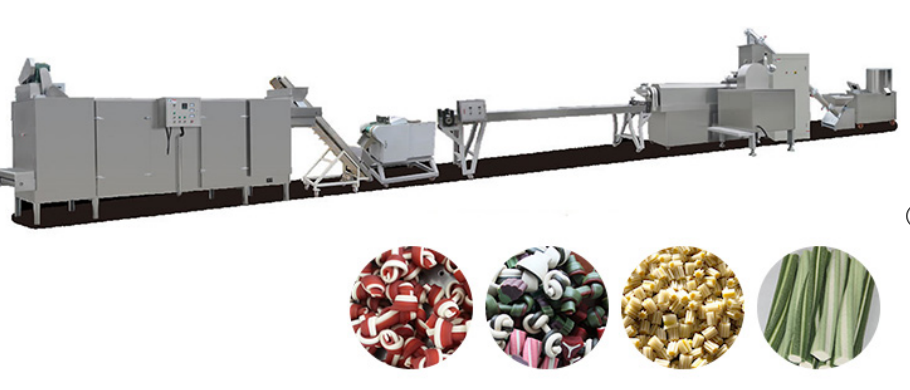
The geometry of the extruder barrel and screw plays a far more subtle role than many realize. A screw with a gradual compression ratio tends to produce denser, more uniform kibble because it applies steady pressure and shear to the dough, reducing trapped air pockets. If the flight depth or pitch changes too abruptly, you end up with uneven expansion at the die—some pieces puff up like popcorn while others stay flat and hard. Getting that screw profile right is almost an art; it needs to match the recipe’s viscosity and moisture level, or you’ll fight inconsistency batch after batch.
Die design is another piece of the puzzle that often gets overlooked. The shape and arrangement of the holes determine flow distribution across the face of the die, and any imbalance causes some strands to move faster than others. This leads to kibble lengths that veer from short stubs to long noodles. Even the land length in each die hole matters—too short and the dough won’t seal properly, creating rough, crumbly edges; too long and you risk burning the product before it even leaves the extruder. The interplay between hole diameter and knife speed at the cutter also can’t be ignored, as it sets the final length and surface texture.
Downstream handling equipment sometimes introduces the very inconsistency it’s meant to prevent. Conveyors with drastic elevation changes or sharp turns can break fragile pieces into fines and odd shapes. Inadequate airflow during drying can create moisture gradients within a single kibble, making the outside brittle and the inside chewy. Designers who treat the extruder, dryer, and cooling stages as separate islands miss the chance to fine-tune the whole line for a stable, repeatable result—every vibration, every temperature swing leaves its fingerprint on the final bowl.
Questions to gauge supplier trustworthiness
A supplier's track record often reveals more than polished sales pitches. Beyond checking references, observe how they handle unexpected hiccups—do they proactively communicate delays or quality issues, or do they wait for you to discover them? Consistency in meeting deadlines, transparency about capacity constraints, and willingness to share real customer feedback (not just curated testimonials) signal a partnership built on substance. Pay attention to how long their team members have been in key roles; high turnover can hint at internal instability that might disrupt your supply chain.
Dig into their operational habits without relying on scripted audits. Notice the small details: Is the production floor organized in a way that prioritizes safety and quality, or does it feel chaotic? During conversations, do they ask thoughtful questions about your end customers and long-term goals, or are they solely focused on closing the deal? A trustworthy supplier treats your mutual dependencies seriously, offering visibility into their own supplier networks and financial health when appropriate, without making promises that sound too good to be true.
Trust also grows from the intangible—how a supplier balances flexibility with honesty. A reliable partner pushes back on unrealistic demands rather than saying yes to everything and failing later. They admit when a request falls outside their expertise and might suggest a more suitable alternative, even if it costs them a short-term order. This kind of integrity, combined with responsive communication and a genuine interest in your success, distinguishes transactional vendors from strategic allies worth betting on.
Why temperate control matters in nutrient retention
Temperature plays a surprisingly subtle yet powerful role in how foods hold onto their nutrients. Many vitamins, especially water-soluble ones like vitamin C and several B vitamins, are sensitive to heat. Even moderate cooking temperatures can cause these nutrients to break down, leaching them into cooking water or simply destroying them before they reach your plate. This isn't just about cooking methods—storage temperature matters too. Keeping produce at the wrong temperature can accelerate enzymatic reactions that degrade nutrients, meaning that a carrot left on a warm counter loses more of its goodness than one kept cool.
It’s not all about avoiding heat, though. The relationship between temperature and nutrient retention is a balancing act. Some nutrients actually become more bioavailable when exposed to gentle heat—think of the lycopene in tomatoes or beta-carotene in carrots. The problem arises when temperatures are too high or held for too long. Flash-heating or quick blanching can sometimes preserve more nutrients than slow, low-heat methods if the food is then cooled rapidly. The key is often the speed of temperature change and the final internal temperature of the food. Even after cooking, how you cool and store leftovers matters: slowly cooling a large pot of soup gives heat-sensitive vitamins more time to degrade compared to portioning it into shallow containers and refrigerating it quickly.
Understanding this delicate dance between heat and nutrients can change how you approach your kitchen. Instead of defaulting to a one-size-fits-all cooking method, consider what you’re trying to preserve in a particular vegetable or piece of fruit. Short steaming might be better than boiling for preserving folate in spinach, while a quick roast at high heat could retain more vitamin C in bell peppers than a long simmer. Even the temperature at which you store dry goods like nuts and whole grains can slow down the oxidation of healthy fats, keeping them nutritious for longer. Temperature control isn’t just a chef’s concern—it’s a quiet tool for getting more out of every bite you eat.
Service beyond the warranty period
When your original warranty expires, our commitment doesn’t suddenly stop. We offer flexible post-warranty plans that keep your equipment running without the worry of unexpected repair bills. Whether it’s a one-time fix or ongoing coverage, you only pay for what you actually need, and our technicians arrive with the same urgency as during the warranty period.
Beyond basic repairs, you gain access to genuine parts, firmware updates, and performance checks that many third-party providers overlook. It’s a straightforward way to extend the life of your investment while avoiding downtime, all handled by the people who know your gear inside out.
Aligning with a partner for recipe flexibility
A collaborative approach to recipe development can unlock surprising versatility in the kitchen. When you align with a partner who brings complementary skills and tastes, you naturally push beyond your usual culinary boundaries. One person might lean toward improvisation with spices and textures, while the other grounds the process in technique or cost-effectiveness. This dynamic creates meals that adapt easily to whatever ingredients you have on hand, transforming rigid recipes into flexible frameworks that evolve with each cooking session.
Practical flexibility often emerges from shared planning. By discussing meal ideas together, you can identify where substitutions make sense—swapping herbs, proteins, or even cooking methods without sacrificing the dish’s identity. For instance, a partner who loves experimenting with plant-based alternatives can introduce you to lentil-based sauces or nut creams that work seamlessly in traditionally dairy-heavy recipes. Over time, you build a repertoire of core recipes that are infinitely customizable, making weeknight dinners less stressful and more creative.
Beyond the practical benefits, this alignment fosters a shared problem-solving mindset. When a recipe doesn’t go as planned, a partner can offer fresh tweaks on the spot—thickening a sauce with soaked cashews instead of a roux, or adjusting acidity with a splash of citrus. Such moments teach you to trust your instincts and treat recipes as guides, not strict instructions. The result is a cooking partnership that thrives on resourcefulness and turns every meal into an opportunity for learning and delicious adaptation.
FAQ
A reliable supplier demonstrates consistent build quality, uses food-grade materials, and provides transparent technical specifications. They should also have a track record of serving established pet food brands and offer ongoing support for maintenance and parts.
Ask for sample products, visit their manufacturing facility if possible, and request references from current clients. Check for certifications like CE or ISO, and examine the machine’s construction, extrusion temperature control, and precision of pellet shaping.
Maintaining low temperatures preserves the nutritional integrity of ingredients such as vitamins, enzymes, and amino acids. Proper temperature control prevents nutrient degradation and ensures that the final product truly qualifies as 'cold pressed' for premium pet health.
Look for a supplier that offers installation guidance, operator training, a reasonable warranty period, and quick access to spare parts. Some top-tier suppliers also provide remote troubleshooting and periodic maintenance checks to minimize downtime.
Yes, all product-contact parts should be made from stainless steel 304 or 316, and seals should be food-grade. Unpainted internal surfaces and easy-clean designs prevent contamination and meet hygiene standards required for pet food production.
Review the machine’s throughput per hour and consider your expected growth. A good supplier will offer modular designs that allow capacity upgrades, such as adding more extruders or conveyors, without replacing the entire line.
Be wary of suppliers with vague technical details, lack of customer testimonials, unusually low pricing that suggests corner-cutting on materials, or those unwilling to provide performance guarantees. A supplier that avoids discussing maintenance costs is also a concern.
Test the machine with your specific ingredient blends, including tough proteins, vegetables, and supplements. The supplier should demonstrate flexibility in adjusting extrusion parameters and provide custom die plates to achieve desired pellet shapes and textures without compromising the cold press process.
Conclusion
When you’re investing in a cold pressed dog food machine, it’s not just about buying equipment—it’s about safeguarding the nutritional promise you make to pet owners. Cold pressing operates at low temperatures, which means the delicate vitamins, enzymes, and amino acids in the ingredients remain intact, unlike in traditional extrusion where high heat can strip away up to 70% of certain nutrients. The machine’s design plays an equally vital role: the precision of the pressing plate, the pressure applied, and the die shape all determine the density and texture of the kibble, influencing both palatability and digestibility. A consistent kibble ensures every batch delivers the same health benefits, and that consistency hinges on how well the machine’s temperature control system prevents hotspots during compression. Overheating even a few degrees can destroy heat-sensitive compounds, so you need a supplier whose engineering prioritizes uniform cooling and monitoring. This isn’t just a feature checklist—it’s the core of delivering premium pet nutrition.
Beyond the specifications, the supplier relationship itself becomes a cornerstone of your operation. Start by digging into their track record: how long have they specialized in cold press technology, and can they walk you through case studies from other producers? Warranty terms matter, but the real test is what happens after—do they offer remote diagnostics, readily available replacement parts, or on-site training that extends past installation? A reliable partner views your growth as their own, offering ongoing support that adapts as your recipes evolve. Perhaps you want to incorporate novel proteins, higher fat inclusions, or functional supplements down the line. The right machine and supplier pair will give you the flexibility to tweak pressure settings, change die configurations, and adjust processing times without compromising pellet integrity or nutritional payload. Ultimately, choosing a supplier is about more than a purchase order; it’s about aligning with a collaborator who understands that every recipe change is an opportunity to better serve dogs and their owners.
Contact Us
Contact Person: LILY SUN
Email: [email protected]
Tel/WhatsApp: 0086-13969103791
Website: https://www.snackfoodmachinery.com/