
Core Filling Snack Production Line: Professional Guide to Perfect Filled Treats
2026-07-25
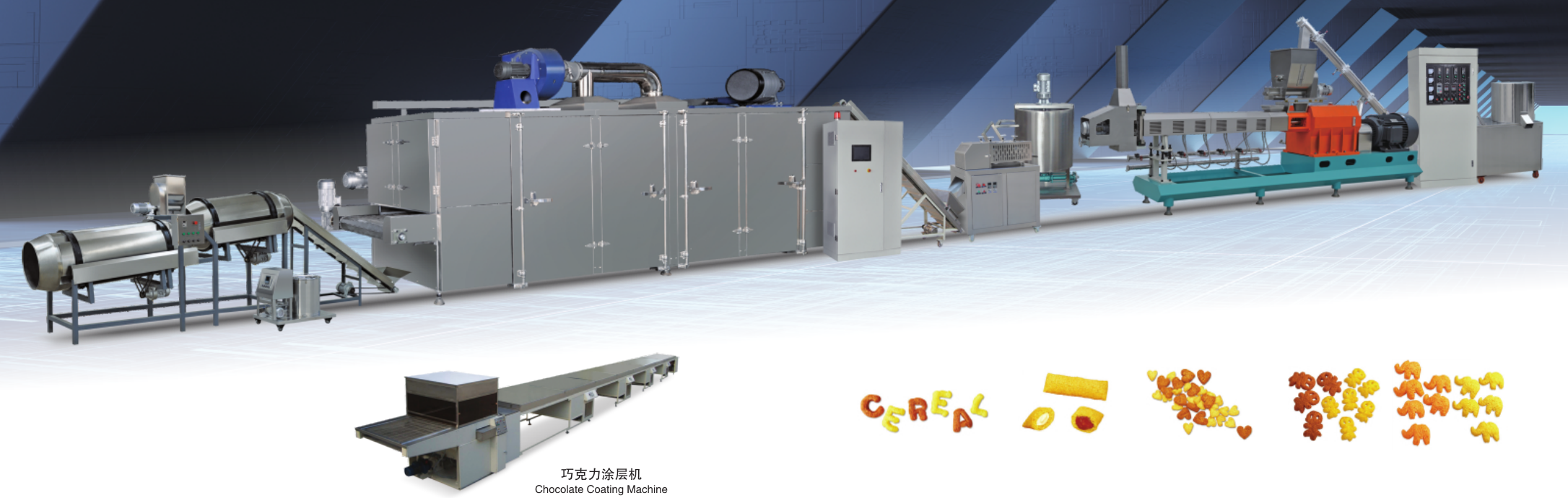
Imagine biting into a snack with a perfectly centered, gooey core that bursts with flavor—achieving that level of precision isn’t just luck. It’s the result of a carefully engineered process, and at the heart of it lies the core filling snack production line. Whether you’re scaling up a home recipe or launching a new product, understanding the machinery behind those perfectly filled treats can make all the difference. In this guide, we’ll walk you through the essentials, from ingredient handling to the final packaging, while showcasing how MINGDE’s innovative solutions are helping manufacturers turn this vision into a delicious reality.
Mastering the Art of Core Filling Consistency
Getting the filling just right every time starts with understanding how ingredients behave when they meet heat. A filling that’s too runny can seep out and burn, while one that’s too stiff might feel heavy and dense. The trick lies in balancing moisture and structure. Think of your core as a tiny ecosystem, where each element—whether it’s fruit compote, chocolate ganache, or a creamy custard—needs to be coaxed into a state where it holds its shape yet still yields softly under a fork.
Temperature plays a silent but crucial role. Chilling the components before assembly often gives you better control, especially with fat-based fillings that firm up when cold. But it’s not just about being cold; sometimes a brief partial freeze helps the filling resist absorbing into the dough too early. On the flip side, allowing the assembled product to rest at room temperature before baking can set the outer layer, creating a barrier that locks the core in place. This dance between hot and cold is where consistency is born.
Practice teaches you to read subtle cues rather than relying solely on recipes. The way a spoonful of filling slowly mounds and just barely holds a peak, or how a fruit reduction coats the back of a spatula without running, tells you more than any timer ever could. Over time, you develop an instinct for those little adjustments—a splash more liquid here, an extra minute of cooking there—that turn a good result into a reliably great one.
Ingredient Synergy: Crafting Memorable Flavor Profiles
Some ingredients are like old friends—they just seem to bring out the best in each other. Think of tomato and basil, or chocolate and chili. This isn't random luck; it's the alchemy of ingredient synergy. When components share aromatic compounds or contrast in just the right way, they don't simply add up—they multiply. A squeeze of lemon doesn't just make fish taste fresher; it physically alters the proteins, brightening the entire dish. Understanding these hidden connections allows you to build layers of flavor that linger in memory long after the plate is empty.
Building synergy often means playing with opposites. A fatty, rich mouthfeel craves a sharp, acidic counterpoint. Sweetness begs for a salty anchor, while heat finds comfort in cool creaminess. It's about creating tension and resolution on the palate. But the real magic happens when you move beyond simple contrasts and start combining umami-rich ingredients like mushrooms, Parmesan, and soy sauce. They contain glutamates that, when paired with nucleotides found in meats or seafood, create an explosive savory depth that's greater than the sum of its parts. This is where cooking becomes intuitive—you're not just following a recipe, you're composing an experience.
The most memorable profiles often draw from a cultural pantry, blending tradition with personal expression. A Moroccan tagine works because cinnamon and cumin dance with dried fruit and slow-cooked meat—a synergy refined over centuries. But why not borrow that wisdom and tweak it? A pinch of star anise in a beef stew, a drop of rosewater in a berry compote—these quiet interventions elevate the familiar into something extraordinary. The goal isn't to overwhelm but to intrigue, to make each bite a discovery. When you master synergy, you're not just feeding people; you're creating a language of taste that speaks directly to the senses.
Precision Machinery for High-Volume Filling Lines
In modern production environments, the heartbeat of efficiency lies in machines that never waver. Our filling systems are built around a core philosophy: uninterrupted precision. Each unit integrates closed-loop servo drives that monitor and correct fill volumes in real time, all while sustaining speeds that push beyond conventional limits. The result is a line where bottles flow without hesitation, and every drop lands exactly where it should, cycle after cycle.
What sets these machines apart isn't a single feature but a cohesive design that eliminates common friction points. Proprietary nozzle technology adapts to viscosity shifts and foam patterns without manual recalibration, while the conveyor synchronization logic prevents the micro-stutters that cause spills in high-speed transfers. Operators often note how the system's self-adjusting rhythms reduce the need for oversight, freeing them to focus on broader production goals instead of constant tweaks.
Behind the stainless-steel exterior, predictive maintenance algorithms track wear on valves and seals, flagging potential issues before they cause downtime. This isn't about scheduled upkeep—it's about understanding the machine's actual condition in real time. Coupled with modular component layouts that simplify part swaps, the design ensures that a line pushing thousands of containers per hour can keep its momentum through shift changes, product variations, and the long arc of continuous operation.
Overcoming Common Challenges in Filled Snack Production
Producing filled snacks requires precise handling of two distinct components—the shell and the filling—each with its own set of demands. A persistent obstacle is leakage at the sealing point, which often stems from minute inconsistencies in dough hydration or filling viscosity. When the filling has a higher water activity than the casing, moisture migration can soften the seal over time, leading to structural failure. To counter this, many operations now employ real-time vision systems that inspect seal integrity immediately after forming, but the more elegant solution involves tailoring the filling's rheology to match the shell's setting behavior, ensuring a synchronous bond that holds throughout shelf life.
Another less discussed challenge is flavor and texture degradation during baking or frying. Fillings with delicate emulsions can break under heat, releasing oil and causing a greasy mouthfeel, while certain flavor volatiles evaporate, leaving a flat taste. The workaround isn't simply adding more flavor—it's about engineering heat-stable delivery systems. For instance, encapsulating sensitive oil-soluble flavors in a melt-resistant matrix or using dual-texture fillings that partially set during processing can preserve both taste and mouthfeel. This approach also reduces the need for overcompensating with sugar or salt, which can mask the intended flavor profile.
Consistency across high-volume runs remains a moving target, especially when dealing with seasonal ingredient variations. Wheat flour from a dry harvest, for example, exhibits higher water absorption, which throws off casing thickness unless compensated for in real time. Instead of relying on fixed recipes, adaptive mixing routines guided by inline near-infrared sensors now allow automatic adjustments to water and dough conditioners. Meanwhile, fillings benefit from continuous rheometry that triggers small corrections to prevent viscosity-induced pump stoppages or irregular deposits. These integrated controls not only stabilize production but also unlock the ability to rapidly switch between different fillings without lengthy recalibration, a crucial edge when responding to shifting market preferences.
The Role of Temperature and Timing in Perfect Cores
Dialing in the right temperature and timing is the silent art behind every memorable core workout. It’s not about pushing harder for longer; it’s about syncing your effort with the body’s natural readiness. Muscles respond best when they’re primed—too cold and you risk injury, too fatigued and form crumbles. Think of it as tuning an instrument before playing a complex piece. A brief, elevated warm-up raises internal heat just enough to make connective tissues more pliable, while the clock becomes your coach, not your enemy. Short, focused intervals often outperform marathon sessions because they honor the fine line between activation and exhaustion.
Timing also shapes how the nervous system recruits deep stabilizers like the transverse abdominis. These muscles thrive on precision, not brute force, and they fatigue silently if you ignore the clock. By shortening work periods and lengthening rest, you give them space to fire correctly without compensation from larger muscle groups. Temperature plays a parallel role: a warm core is a responsive core. Even a five-degree shift in muscle temperature can alter contraction speed and coordination. That’s why many seasoned practitioners time their core work after an aerobic primer, when the body is already humming at an optimal thermal state.
The magic really happens when you treat timing and temperature as a fluid partnership rather than fixed rules. Some days call for a slower, heat-building flow; others benefit from crisp, cool precision. By reading the body’s signals—subtle stiffness, a lag in reflex—you can adjust in real time. This dynamic approach not only refines core engagement but also makes training feel intuitive and personal. It’s a reminder that the pursuit of perfect cores isn’t about rigid formulas, but about learning to listen and adapt.
Future-Proofing Your Production with Smart Automation
Industries that cling to rigid processes often find themselves scrambling when market demands shift. Smart automation introduces adaptable frameworks that let production lines evolve without complete overhauls. By connecting equipment through intelligent interfaces, manufacturers gain the ability to reconfigure tasks almost instantly. This flexibility means you can introduce new products or scale output without months of downtime, keeping you a step ahead of competitors still locked into fixed setups.
The real value lies in how data-driven insights preempt disruptions before they happen. Sensors and monitoring systems continuously analyze performance patterns, flagging anomalies that human eyes might miss. Instead of reacting to breakdowns, teams can schedule maintenance at optimal times, preserving throughput. This shift from reactive fixes to proactive stewardship transforms the shop floor from a source of surprises into a predictable, resilient engine that actually strengthens over time.
Equally important is how smart automation empowers teams rather than replaces them. Workers become operators of systems, using dashboards to orchestrate complex sequences with a few taps. Their deep experience can be embedded into automation rules, ensuring that tribal knowledge isn't lost when people retire. The result is a facility that not only runs smoothly today but also adapts to whatever next-generation challenges emerge, preserving both operational continuity and institutional expertise.
FAQ
It's a specialized system designed to automate the manufacturing of snacks with a distinct center filling — think cookies with cream, filled pastries, or stuffed wafers. The line integrates dough preparation, precise filling injection, shaping, baking or frying, and cooling, all in one seamless flow.
Advanced servo-driven depositors and precision nozzles work together to accurately inject the filling into the dough or casing. Sensors monitor the flow rate and position, adjusting in real time to prevent off-center fills. Multi-layer co-extrusion technology also helps keep the filling perfectly encased without leaks.
The versatility is impressive — you can make dual-texture cookies like chocolate-filled shortbread, fruit paste stuffed biscuits, layered wafer bars with cream, airy snack cakes with jam centers, and even filled pretzels or cheese-stuffed sticks. Changing molds and filling recipes lets you switch between sweet and savory profiles easily.
Automation dramatically boosts output while slashing labor costs and reducing product waste. Consistent filling weight and placement mean fewer rejects. Plus, the sealed, hygienic design meets strict food safety standards and extends shelf life. Over time, the efficiency gains and premium product quality deliver a quick return on investment.
Regular cleaning of filling nozzles and tubes is crucial to prevent clogging, especially with viscous or particulate fillings. Daily wipe-down of conveyor belts and sensors, weekly lubrication of moving parts, and monthly checks on servo motors and alignment ensure longevity. Many lines feature CIP (clean-in-place) systems for quick sanitization between batches.
Absolutely. By connecting parallel filling units or using a multi-head depositor, you can create snacks with two or even three distinct fillings simultaneously. Programmable recipes allow rapid switches, so a single line can produce a variety pack with cherry, vanilla, and chocolate centers all in one day.
Customization starts with the die and cutter sets — you can match almost any shape, from classic rounds to intricate seasonal designs. Texture tweaks come from adjusting the mixing parameters, dough resting time, and baking profiles. The filling's viscosity and pump type can also be altered. Most suppliers offer pilot runs to fine-tune everything before full-scale production.
Conclusion
Achieving a flawless core-filling snack line starts with an almost obsessive attention to filling consistency. This is an art form that marries ingredient science with hands-on craft: the slightest variation in viscosity or particulate size can transform a decadent bite into a disappointing one. By understanding how fats, sugars, and inclusions interact during shearing and pumping, producers can dial in formulations that deliver uniform texture batch after batch. Flavor synergy becomes the next pillar—pairing bold fruit purées with creamy ganaches or nut butters with crisp biscuit shells isn't just about taste. It's about how those ingredients behave under processing stressors like aeration and heat. Precision depositors and co-extrusion heads, tailored for high-volume runs, then take these meticulously developed recipes and execute them at speed without sacrificing the delicate structure of each layer.
Even with premium equipment, real-world production throws curveballs: ambient humidity making fillings tacky, slight temperature drifts causing bloom in chocolate centers, or timing mismatches that leave shells cracked. Mastering temperature and timing isn't about rigid SOPs—it's about training teams to read the product, adjusting for seasonal shifts in ingredient performance, and using process data to anticipate issues before they hit the line. That’s where smart automation earns its keep. Rather than displacing human expertise, modern systems with adaptive algorithms and real-time monitoring amplify it, locking in reproducibility while freeing operators to focus on innovation. The result isn't just a more efficient factory floor: it's a production line that can evolve with market trends, scale new product launches seamlessly, and consistently deliver the kind of perfectly filled treat that keeps consumers coming back for more.
Contact Us
Contact Person: LILY SUN
Email: [email protected]
Tel/WhatsApp: 0086-13969103791
Website: https://www.snackfoodmachinery.com/