
Distribution Box Brands Leading the Market in Electrical Safety and Innovation
2026-08-08
When it comes to electrical safety, the distribution box is your first line of defense—yet it’s often overlooked until something goes wrong. Today’s top brands are redefining what these enclosures can do, blending rugged protection with smart innovation. Among them, ETEK stands out for pushing boundaries in both reliability and intelligent design. Curious which names are shaping the future of power distribution? Let’s take a closer look at the leaders driving the industry forward.
The New Standard in Electrical Safety
Electrical safety has entered a transformative era, driven by smart technologies that anticipate hazards before they occur. Rather than relying solely on protective gear and manual inspections, the new standard integrates real-time monitoring, automated shutdowns, and adaptive systems that learn from the environment. This shift moves us from reactive measures to proactive prevention, fundamentally reshaping how we approach risk in residential, commercial, and industrial settings.
At the heart of this evolution is a focus on seamless integration and user-centric design. Modern solutions embed advanced sensors directly into everyday infrastructure, making safety a silent, ever-present guardian. These systems communicate wirelessly, providing instant alerts and detailed diagnostics without complex interfaces. By blending robust hardware with intuitive software, the new standard ensures that enhanced protection doesn’t come at the cost of convenience or accessibility.
Adoption of this standard also means a commitment to continuous improvement and global compatibility. Products are built to meet rigorous, harmonized guidelines that transcend regional variations, facilitating international trade and installation. Training and certification programs have been overhauled to emphasize practical skills and system thinking, equipping professionals to deploy and maintain these intelligent networks. Ultimately, the new standard creates a culture where safety is dynamic, invisible, and always ready.
Innovations Driving Modern Distribution Boxes
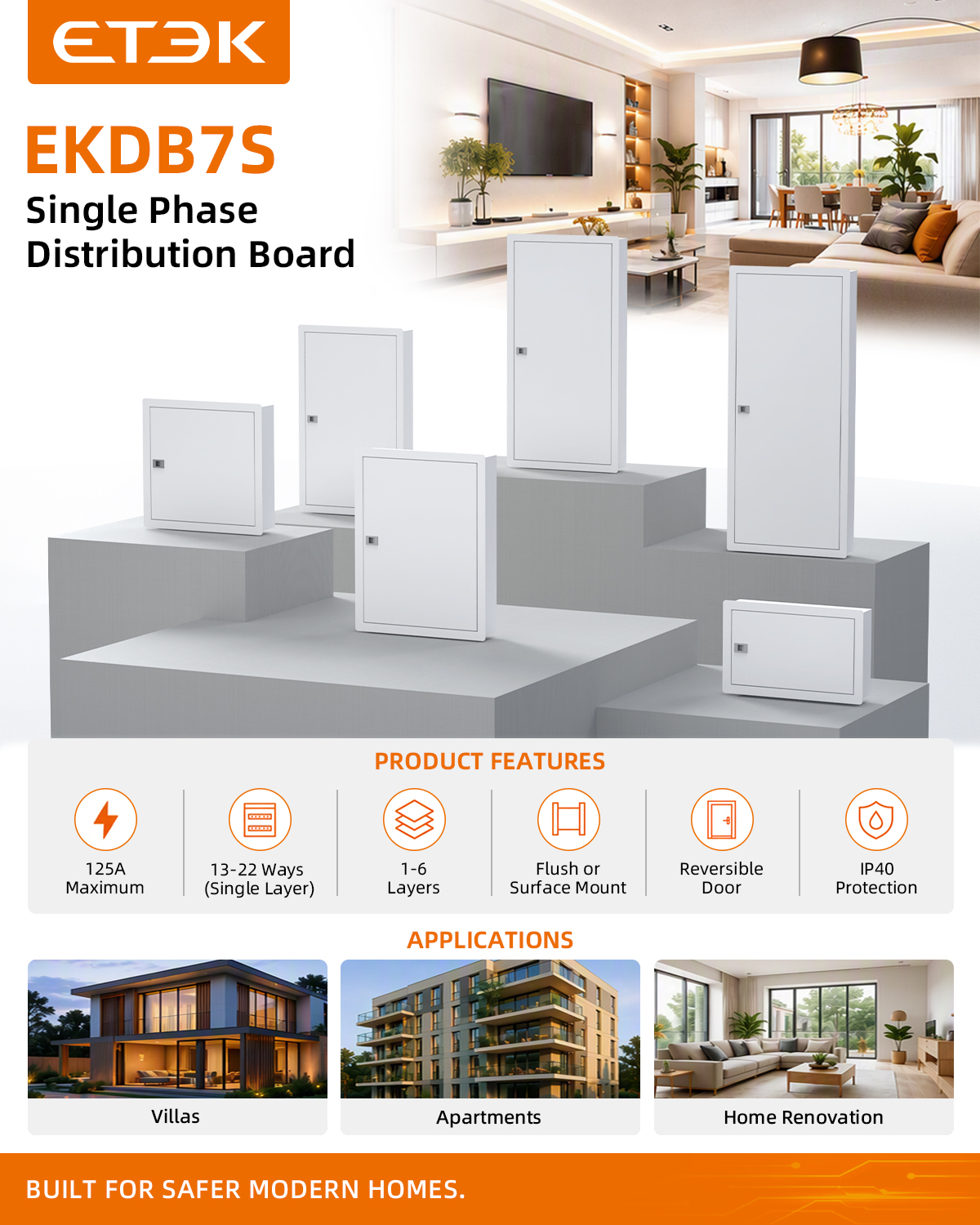
Modern distribution boxes have evolved far beyond simple enclosures for circuit breakers. One key innovation lies in the integration of smart monitoring systems, which use embedded sensors to track temperature, load, and humidity in real time. This data is transmitted wirelessly to facility managers, enabling predictive maintenance and reducing unexpected downtime. Instead of manual checks, technicians receive alerts the moment a circuit shows signs of stress, making electrical distribution safer and more responsive.
Material science has also reshaped these units. Advanced composites and engineered plastics now replace traditional steel in many installations, offering excellent insulation, corrosion resistance, and lighter weight without sacrificing durability. These materials allow for modular designs that can be quickly expanded or reconfigured, a stark contrast to the rigid, welded boxes of the past. The push for compact yet accessible layouts means even tight spaces can accommodate sophisticated distribution setups without compromising on safety clearances.
On the green front, energy efficiency has become a design driver. Built-in phase balancing and harmonic filtering help optimize power usage, while some models integrate miniature renewable inputs like solar panel feeds directly at the distribution level. This local energy blending cuts grid dependence and supports net-zero goals. Paired with clear front-panel interfaces and touch-safe IP ratings, these innovations turn a once-overlooked utility box into a high-tech backbone of modern electrical infrastructure.
Brands That Are Changing the Game
Some brands don’t just compete—they rewrite the rules entirely. Take the ones rethinking everyday essentials: a shoe company turning algae into running sneakers, or a food startup growing meat in labs without the environmental toll. They’re not chasing trends; they’re fixing systems that have been broken for decades. It’s less about flashy marketing and more about radical honesty, where a brand’s supply chain is as visible as its storefront.
Others are reshaping how we experience digital life. Think of a fintech app that treats financial literacy like a game, rewarding users for saving instead of spending. Or a furniture brand that lets you place virtual sofas in your living room before a single tree is cut. They understand that convenience alone is forgettable—what sticks is the feeling of being genuinely understood as a human, not a data point.
Then there are the quiet revolutionaries in apparel and beauty, proving that “sustainable” doesn’t have to mean beige and boring. One company salvages ocean plastics to craft swimwear that looks good enough for a runway. Another developed a moisturizer that adapts to your skin’s microbiome, ditching the one-size-fits-all model. These brands aren’t just selling products; they’re inviting people into a smarter, kinder version of consumption—and making it hard to go back to the old way.
Engineering Reliability into Every Enclosure
Reliability doesn’t happen by chance—it’s deliberately designed into every detail of our enclosures. From the earliest concept sketches, our engineers prioritize structural integrity, choosing materials that withstand extreme temperatures, corrosive environments, and mechanical stress without compromising performance. Each seam, gasket, and fastener is scrutinized to ensure long-term durability in real-world conditions, not just theoretical specs.
We subject prototypes to a gauntlet of tests that simulate years of wear in a fraction of the time. Our in-house testing rigs expose enclosures to repeated thermal cycling, high-pressure washdowns, vibration patterns from heavy machinery, and even accelerated UV aging. These rigorous evaluations reveal potential weaknesses early, allowing our team to refine designs before they ever reach production. The result is a level of confidence that comes from seeing a design hold up under duress.
Every production run follows strict quality checkpoints where dimensional tolerances are verified, coatings measured for even coverage, and sealing surfaces inspected for flawless continuity. This attention to detail means our enclosures consistently protect sensitive electronics in the field, whether installed in a wind-swept desert array or a sub-zero freezer facility. Reliability isn’t just a buzzword—it’s engineered into every curve, corner, and closure.
Beyond Basic Protection: Intelligent Features
Modern security goes far beyond simple rule-based filters and signature scans. Intelligent features now actively learn from user behavior and system patterns, spotting anomalies that static defenses would miss. Instead of reacting to known threats, these tools predict and neutralize suspicious activity before it escalates, adapting on the fly without constant manual updates.
What sets this apart is the ability to correlate subtle indicators—like unusual login times, unexpected data flows, or atypical process launches—into a cohesive risk assessment. The system refines its understanding over time, reducing false positives while tightening protection exactly where it's needed. It’s a shift from guarding a perimeter to understanding the dynamics within it.
Shaping the Future of Power Distribution
The electrical grid is undergoing a transformation unlike anything we’ve seen in a century. As distributed energy resources like rooftop solar, battery storage, and electric vehicles become mainstream, the old model of one-way power flow from centralized plants is giving way to a dynamic, bidirectional network. This shift demands intelligent automation at every level—from substations to home energy management systems—to balance supply and demand in real time. Utilities and technology providers are collaborating to build adaptive infrastructure that can handle sudden spikes in generation or consumption without compromising reliability. The goal isn’t just to keep the lights on; it’s to create a self-healing ecosystem that learns from patterns, predicts faults, and reroutes power seamlessly.
What makes this evolution truly exciting is its potential to democratize energy. Advanced power distribution now allows neighborhoods to form microgrids that operate independently during outages, sharing locally generated power. Imagine a community where excess solar from one home charges a neighbor’s EV, or where a factory’s waste heat is converted into electricity for nearby businesses. These aren’t distant visions—pilot projects around the world are proving that peer-to-peer energy trading and real-time load balancing can slash costs and emissions simultaneously. The key lies in open standards and interoperable devices that let different systems communicate effortlessly, turning a fragmented grid into a cohesive, responsive whole.
However, the most profound changes are happening behind the meter. Smart panels and AI-driven energy apps are giving households and businesses granular control over their consumption, turning passive users into active participants. Instead of flat-rate billing, we’re moving toward dynamic pricing that rewards flexibility—shifting laundry or HVAC usage to times when renewable supply is abundant. This granularity cascades upward, enabling utilities to avoid costly infrastructure upgrades by flattening peak demand curves. The future of power distribution isn’t a single breakthrough; it’s a continuous weave of technology, policy, and behavioral shifts that together will redefine how we produce, share, and consume electricity.
FAQ
Schneider Electric, Siemens, and ABB are often cited for setting benchmarks in safety. Their designs incorporate arc fault detection, robust circuit breakers, and rigorous testing that exceeds standard requirements.
Many leading brands now integrate IoT connectivity for real-time energy monitoring and predictive maintenance. For example, Legrand and Eaton offer units with remote shutdown capabilities and app-based control, blending safety with smart home functionality.
They invest heavily in R&D and comply with stringent global standards like IEC 61439. Companies like Hager and Schneider regularly update their lines with fire-resistant materials and thermal overload protection, learning from field data to continuously improve.
Siemens stands out for its versatility. Their residential panels are compact yet feature-rich, while their commercial solutions handle high loads with advanced arc fault and ground fault protection, backed by comprehensive certification.
Innovations like self-piercing contacts, which ensure reliable connections without manual torque, reduce installation errors. Brands like ABB have pioneered plug-on neutral load centers that simplify wiring and minimize human mistakes, a common cause of hazards.
Look beyond marketing—check if the brand offers verified third-party testing reports and transparent warranty details. Brands that openly share failure rate data and have a track record of proactive recalls, like Eaton, demonstrate genuine commitment.
Conclusion
Modern distribution boxes have evolved far beyond simple circuit breakers housed in metal enclosures. Today’s leading brands are redefining electrical safety by embedding advanced protection mechanisms directly into the design. Arc fault detection, ground fault interruption, and surge protection are no longer add-ons but integral features that set a new benchmark. These manufacturers don’t just meet safety codes—they exceed them, driving the industry toward proactive rather than reactive risk management. Innovations such as real-time thermal monitoring and self-diagnostic systems ensure that potential hazards are identified before they escalate, reflecting a deep commitment to safeguarding lives and property.
Beyond safety, the latest distribution boxes incorporate intelligent connectivity that transforms power management. Remote access, energy consumption analytics, and predictive maintenance alerts are becoming standard, enabling smarter, more efficient operations. Brands are engineering enclosures that withstand extreme environments, from corrosive industrial settings to outdoor solar installations, without compromising reliability. The shift toward modular, scalable designs means that these systems can adapt to future demands, from electric vehicle integration to smart grid compatibility. By combining robust physical construction with digital brains, the market leaders are not just responding to change—they are actively shaping a future where electrical distribution is safer, smarter, and seamlessly connected.
Contact Us
Contact Person: Andy
Email: [email protected]
Tel/WhatsApp: +86 13356133008
Website: https://www.etek-china.com/