

Expert ATS Switchgear Manufacturer Guide: Innovations in Power Systems
2026-01-15
In the rapidly evolving world of power systems, staying ahead of technological advancements is crucial for reliability and efficiency. As an CNKEEYA expert in ATS switchgear, we’ve witnessed firsthand how innovations are reshaping the landscape of electrical infrastructure. This guide delves into cutting-edge solutions that not only enhance performance but also address the growing demands for sustainability and smart grid integration. From modular designs to IoT-enabled monitoring, the future of power systems is here. Join us as we explore these breakthroughs and their real-world applications. Your journey into the next generation of power management starts now.
Cutting-Edge Circuit Breaker Designs for Enhanced Power Reliability
In today's grid, reliability isn't a luxury—it's a necessity. That's why engineers are pushing circuit breakers beyond their traditional roles. Take solid-state breakers, for instance. Instead of mechanical contacts, they use power electronics to interrupt faults in microseconds, not milliseconds. This lightning-fast response doesn't just protect equipment; it prevents cascading failures, keeping the lights on during disturbances that would have caused blackouts a decade ago. It's like having a digital guardian that reacts before a problem even fully forms.
Another leap forward is the integration of AI and IoT. Modern breakers now come equipped with sensors that continuously monitor temperature, current, and even partial discharges. Algorithms analyze this data in real-time, predicting potential failures before they occur. Imagine a breaker that texts you a warning weeks ahead of a fault—that's not science fiction anymore. This predictive maintenance slashes downtime and transforms breakers from passive devices into proactive partners in grid stability.
Looking ahead, the focus is on resilience. Hybrid designs, which combine the best of mechanical and solid-state technologies, offer both speed and durability. Meanwhile, eco-friendly alternatives, like vacuum and SF6-free breakers, are reducing environmental impact without compromising performance. These innovations aren't just incremental upgrades; they're redefining what power reliability means in an era of renewable energy and smart cities.
Smart Grid Integration Solutions by Leading Switchgear Innovators
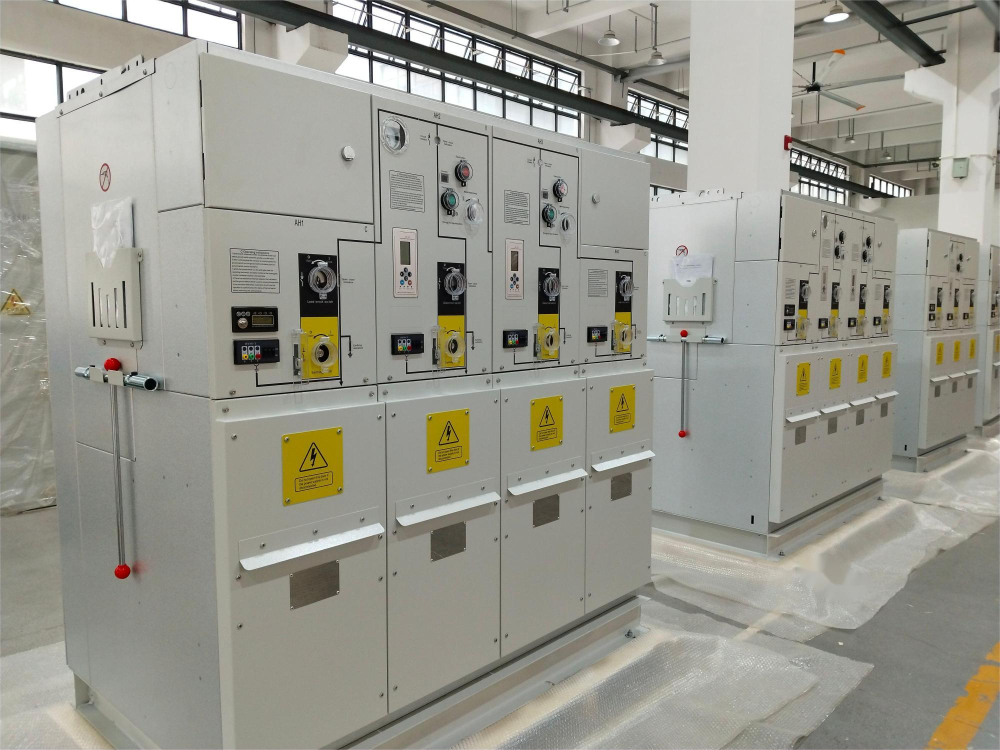
Leading switchgear innovators are transforming the power landscape by developing cutting-edge integration solutions for smart grids. These solutions focus on enhancing grid stability, enabling real-time monitoring, and supporting renewable energy sources through intelligent automation and digital connectivity. By leveraging advanced sensors and IoT capabilities, these systems ensure efficient load management and quick fault detection, paving the way for a more resilient and adaptive electrical infrastructure.
Innovators in this space prioritize solutions that seamlessly connect traditional grid components with modern digital platforms, fostering two-way communication between utilities and consumers. This integration allows for dynamic energy distribution, reducing wastage and optimizing power flow based on demand patterns. With a strong emphasis on cybersecurity and interoperability, these advancements help utilities transition smoothly to decentralized energy models while maintaining high reliability and operational transparency.
Looking ahead, these leaders continue to push boundaries by integrating AI-driven analytics and predictive maintenance into switchgear systems, enabling proactive management of grid health. Their solutions not only support smart grid adoption but also empower communities to achieve sustainability goals through enhanced energy efficiency and reduced carbon footprints, marking a significant leap toward future-proof power networks.
Advanced Insulation Techniques in Modern Switchgear Production
In today's switchgear production, advanced insulation techniques are pivotal for enhancing safety and performance, moving beyond traditional methods to address the demands of higher voltage applications and compact designs. Engineers now leverage materials like vacuum interrupters and sulfur hexafluoride (SF6) gas, which offer superior dielectric strength and arc-quenching properties, ensuring reliable operation in switchgear systems. These innovations not only minimize maintenance needs but also extend the lifespan of equipment, making them integral to modern electrical infrastructure.
A key trend in this field is the shift towards solid insulation, utilizing epoxy resins and other composites that provide robust protection against environmental factors such as moisture and contaminants. This approach reduces the reliance on gas-filled compartments, lowering the risk of leaks and simplifying installation processes. By focusing on material science, manufacturers can tailor insulation solutions to specific operational conditions, boosting efficiency without compromising on durability.
Looking forward, the integration of smart technologies with these insulation methods is setting new benchmarks. For instance, sensors embedded within insulated components enable real-time monitoring of temperature and pressure, allowing for predictive maintenance and early fault detection. This synergy between advanced materials and digital tools not only cuts downtime but also aligns with sustainability goals by minimizing energy loss and operational costs in switchgear systems.
Digital Monitoring Systems Revolutionizing Power Distribution Safety
In the past, ensuring safety in power distribution often relied on infrequent manual inspections and reactive maintenance, which could miss critical issues until they escalated. Today, digital monitoring systems are transforming this landscape by providing continuous, real-time oversight of electrical grids. These systems leverage sensors, IoT devices, and advanced analytics to detect anomalies like voltage fluctuations or equipment overheating before they lead to failures. This proactive approach not only enhances safety by preventing blackouts and reducing fire risks but also improves reliability, allowing utilities to respond swiftly to potential hazards.
One key innovation is the integration of artificial intelligence and machine learning into these digital platforms. By analyzing vast amounts of data from smart meters and grid sensors, AI algorithms can predict when components are likely to fail, enabling preemptive maintenance. For example, a system might identify a transformer showing signs of wear and alert technicians to replace it before it causes a major outage. This shift from scheduled check-ups to condition-based monitoring reduces human error and ensures that safety measures are data-driven, making power distribution more resilient against unforeseen events.
Moreover, these digital tools empower operators with enhanced visibility and control over complex networks. Through centralized dashboards, they can visualize real-time performance metrics, track energy flow, and receive instant alerts for safety breaches. This not only streamlines operations but also fosters a culture of safety by providing actionable insights. As these technologies evolve, they're setting new standards for how power systems are managed, ultimately protecting communities and infrastructure with greater efficiency than ever before.
Sustainable Manufacturing Practices in High-Voltage Switchgear
In the high-voltage switchgear industry, sustainable manufacturing isn't just a trend—it's becoming a core operational strategy. Companies are increasingly focusing on reducing energy consumption and carbon footprints during production processes. For example, some manufacturers implement advanced energy management systems that optimize the use of electricity in assembly lines, while others adopt renewable energy sources like solar panels to power their facilities. This shift not only helps meet environmental regulations but also cuts long-term operational costs, making sustainability a smart business move in a competitive market.
Material selection plays a pivotal role in sustainable high-voltage switchgear production. Beyond traditional metals, there's a growing emphasis on using recyclable and eco-friendly components. Innovations include employing high-strength composite materials that are lighter and more durable, reducing the overall material waste during manufacturing and extending product lifespans. Additionally, companies are exploring ways to minimize hazardous substances, such as substituting certain insulating oils with biodegradable alternatives. These practices enhance product safety and align with global efforts to curb e-waste and toxic emissions.
Another key aspect is the integration of digital technologies and circular economy principles. Manufacturers are leveraging IoT sensors and data analytics to monitor equipment performance in real-time, enabling predictive maintenance that prevents breakdowns and reduces resource-intensive repairs. Moreover, by designing switchgear for easier disassembly and recycling, firms promote a circular approach where end-of-life products are repurposed or reclaimed. This not only fosters resource efficiency but also builds stronger customer trust through transparent, responsible supply chains that prioritize environmental stewardship over mere compliance.
Real-Time Fault Detection and Automated Response Mechanisms
In today's fast-paced digital environments, real-time fault detection is crucial for maintaining system integrity and minimizing downtime. By continuously monitoring system performance metrics and logs, these mechanisms swiftly identify anomalies or errors as they occur. This proactive approach allows organizations to address issues before they escalate into major disruptions, ensuring seamless operations and enhanced reliability across networks, applications, and infrastructure.
Automated response mechanisms complement fault detection by taking immediate, predefined actions when faults are detected. For instance, upon identifying a server overload, the system might automatically reallocate resources or trigger failover to a backup server without human intervention. This reduces response times from minutes to seconds, significantly lowering the risk of cascading failures and improving overall system resilience, making it indispensable for mission-critical applications in sectors like finance and healthcare.
What sets modern solutions apart is their ability to learn and adapt over time through machine learning algorithms. By analyzing historical data patterns, these systems can predict potential faults and initiate preemptive measures, further optimizing performance. This dynamic evolution not only enhances fault tolerance but also reduces operational costs by automating routine maintenance tasks, empowering teams to focus on strategic improvements rather than firefighting incidents.
FAQ
Innovation in ATS switchgear is primarily driven by the need for enhanced grid stability, renewable energy integration, and cybersecurity demands. Advanced features like real-time monitoring, predictive maintenance capabilities, and seamless transition mechanisms directly boost power system reliability by minimizing downtime and preventing catastrophic failures.
Modern ATS systems incorporate IoT sensors and communication protocols to interact with smart grids, allowing for dynamic load management and coordination with solar panels or wind turbines. This integration ensures efficient energy distribution and supports grid resilience during fluctuations from renewable sources.
Recent designs include arc-flash mitigation technologies, enhanced insulation materials, and fail-safe mechanisms that automatically isolate faults. These advancements reduce the risk of electrical hazards and protect both equipment and personnel in critical power environments.
Yes, next-generation ATS switchgear offers scalable, modular designs with high-speed switching and remote management features. This adaptability supports the 24/7 operational needs of data centers and automated industries, ensuring uninterrupted power in high-demand scenarios.
Manufacturers are focusing on reducing energy losses through optimized components and eco-friendly materials. Innovations like low-loss transformers and energy-efficient control systems help cut carbon footprints and align with global sustainability goals.
Advanced ATS systems now include encrypted communication, multi-layer authentication, and intrusion detection to guard against cyber threats. These measures secure critical infrastructure from attacks, ensuring operational integrity in interconnected power networks.
Key trends include AI-driven predictive analytics, modular designs for easy upgrades, and increased use of digital twins for simulation. These advancements aim to enhance customization, reduce maintenance costs, and future-proof power systems against evolving demands.
Conclusion
The Expert ATS Switchgear Manufacturer Guide highlights transformative innovations in power systems, focusing on enhanced reliability and safety through cutting-edge circuit breaker designs and advanced insulation techniques. Leading manufacturers are integrating smart grid solutions and digital monitoring systems to revolutionize power distribution, enabling real-time fault detection and automated response mechanisms that minimize downtime and improve operational efficiency. These advancements collectively address the growing demand for robust, resilient electrical infrastructure in modern energy networks.
Additionally, the guide emphasizes sustainable manufacturing practices in high-voltage switchgear production, aligning with global environmental goals while maintaining performance standards. By combining digital innovations with eco-friendly approaches, manufacturers are not only boosting power system safety but also contributing to a greener future. This holistic integration of technology and sustainability sets a new benchmark in the industry, ensuring power systems remain adaptive, secure, and efficient in an evolving energy landscape.
Contact Us
Contact Person: Queenie
Email: [email protected]
Tel/WhatsApp: +86 15558806611
Website: https://www.cnkeeya.com