

Hidden Attractions in Lijiang: Uncovering Yunnan’s Best-Kept Secrets
2026-08-01
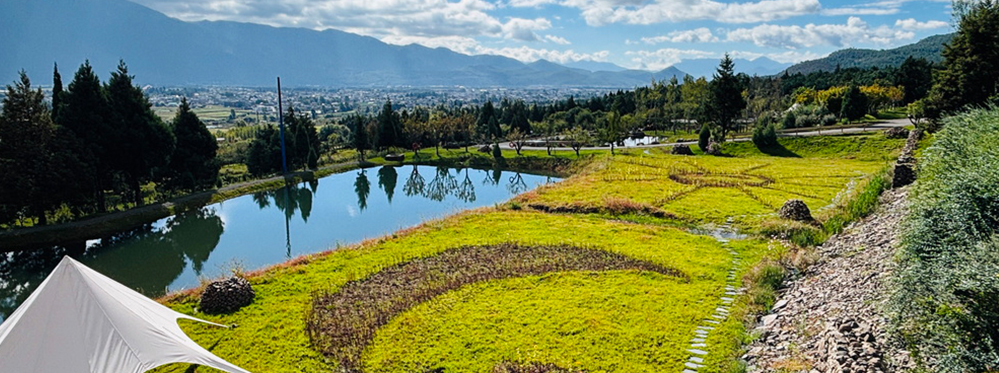
Beyond Lijiang’s cobbled lanes and postcard canals, a realm of secrets waits for those willing to look deeper. Among these is Jade Water Village, a quiet beauty fashioned by the Naxi people, where emerald springs and ancient stone carvings tell stories the guidebooks miss. Here, away from the crowds, the true spirit of Yunnan takes shape—inviting you to uncover landscapes and legends that linger long after you leave.
Where the Locals Escape: Lijiang’s Secluded Mountain Villages
Beyond the cobblestone buzz of Lijiang's old town, a different rhythm pulses through the quiet mountain hamlets. Locals slip away to places like Wenhai, a high-altitude lake village where yaks graze by the water and the only soundtrack is wind rustling through wild flowers. It's not simply about escaping crowds; it's about returning to a landscape where Naxi traditions still breathe—where women gather mushrooms in the mist and each stone house has a story tucked into its wooden beams.
Another hideaway is Yuhu, the “Jade Lake” village at the foot of Jade Dragon Snow Mountain. Here, the stone walls are flecked with mica that glitters in the afternoon light, and an old explorer’s residence stands as a quiet monument. Walk past drying racks of turnips and hand-plastered earth, and you’ll find a bench left by a family who’ll offer you butter tea, not as a transaction but a welcome. These aren’t attractions so much as invitations into a slower, far-reaching simplicity.
Then there’s the trek to Baisha’s forgotten corners or the ancient terraces of Shigu, where the Yangtze makes its sudden bend. In autumn, the hills blush with buckwheat, and a grandmother might wave you over to watch her weave, her fingers moving like memory. These are the pockets of Lijiang that maps barely mark—the sacred, secret ones shared over a shared meal or a ride in a cart piled with straw.
Beyond the Old Town: Relics of the Ancient Tea Horse Road
Wander away from the well-trodden lanes of Lijiang’s old quarter, and you’ll stumble upon traces of a much older rhythm of life. These are not the polished shopfronts or cobbled courtyards that draw the crowds, but weathered stone bridges and overgrown path segments that once echoed with the bells of pack mules. The Tea Horse Road, an ancient network of trade routes stretching from Yunnan into Tibet and beyond, left its subtle scars on the land—and here, just beyond the town’s edge, they feel more like whispers than monuments.
Along the remnants of these routes, you might find a solitary fir tree draped in faded prayer flags, its roots tangled around what looks like a random heap of rocks. Look closer, and you’ll notice the rocks are smoothed from centuries of leather boots and hooves, a resting spot for porters who once carried tea bricks across the Himalayas. The air here is quieter, broken only by the rustle of wind through rhododendron thickets, yet it’s saturated with the memory of long journeys. Some stretches are barely visible, reclaimed by moss and season, but the spirit of exchange and endurance still clings to the altitude.
For those willing to stray, the real relics aren’t in museums. They are in the half-collapsed gateways of a forgotten hanji (rest house), the hollowed-out mortar where muleteers ground their corn, or the faint petroglyphs scratched into a boulder by a homesick trader. These scattered fragments resist the tidy narratives of heritage tourism. They demand a slower pace and a sharper eye, rewarding curiosity with a sense of connection that no plaque can provide.
Secret Sunrise Spots Over Jade Dragon Snow Mountain
Most travelers flock to the main viewing platforms of Jade Dragon Snow Mountain, but those who wander off the beaten path are rewarded with intimate sunrise moments. Hidden behind a cluster of ancient pines near Spruce Meadow lies a small rocky outcrop where you can watch the first light ignite the glacier. With no barriers and only the sound of wind rustling through the needles, the mountain feels raw and personal, not a sight to be photographed but a moment to be absorbed.
Further down the valley, a forgotten herder's trail leads to a high alpine lake that stays frozen well into spring. Arrive before dawn and you might catch the mountain reflected in a thin layer of ice, tinted orange and pink as the sun climbs. It's a quiet, unmarked spot where even the crows seem reluctant to break the silence, and you'll likely have it all to yourself.
Instead of chasing the perfect postcard shot, these secret nooks let you blend into the landscape. Bring a thermos of yak butter tea, find a flat stone, and simply sit. The mountain has a way of making you forget the altitude and your watch—until the sun is fully up and the day's first cable car hums to life in the distance.
Forgotten Temples in the Lijiang Valley
Nestled deep within the folds of the Lijiang Valley, far from the curated tourist trails, lie the hushed remnants of temples that once pulsed with monastic life. These sites are not marked on glossy maps, nor do they boast grand restoration efforts. Instead, they surrender quietly to the encroaching forest, their moss-covered stone steps and crumbling eaves whispering stories to the few wanderers who stumble upon them. To stand before a forgotten altar here is to feel the weight of centuries pressing gently through the scent of damp earth and wild herbs—an intimacy that the valley's more celebrated shrines have long since traded for ticket booths and selfie sticks.
One such sanctuary, known locally as the Temple of the Unwritten Name, clings to a limestone cliff above a ribbon of turquoise river. Its very existence seems an act of defiance against time. Inside, a single beam of light slips through a crack in the roof, illuminating a faded mural of a guardian deity whose eyes still hold a startling fierceness. The paint is flaking, the gold leaf almost entirely worn away, yet the figure radiates a presence that hushes all who enter. There is no incense burning, no chanting—only the wind threading through broken lattice windows, playing a melody that feels older than the valley itself. This temple has no abbot, no pilgrimage route; it belongs to the rain, the spiders, and the rare soul willing to scramble up a forgotten goat path to listen to its enduring silence.
Why have these temples been left to the mercy of the elements? Some say it was the shifting of trade routes, others blame political turmoil, and a few whisper of curses too heavy for modern ears. But perhaps their abandonment is a kind of preservation—a way of keeping their essence intact, away from the homogenizing touch of mass interest. The forgotten temples of the Lijiang Valley ask nothing of you. They don't demand donations or awe. They simply exist, half-reclaimed by nature, offering a quiet communion with the past that feels like a secret shared between the mountains and the sky. In an age of relentless connection, such places remind us that some stories are best left to grow moss and starlight.
The Quiet Side of Lashi Lake: Birdwatcher’s Morning
Mornings at Lashi Lake begin in near silence, broken only by the distant call of a bird hidden in the reeds. As the sun lifts over the mountains, the water turns glassy, reflecting a sky that shifts from pearl gray to soft amber. This is not the busy lakeside of tour boats and crowds; it’s a pocket of stillness where the only sounds are natural—a flutter of wings, the rustle of tall grass, the quiet splash of a coot disappearing beneath the surface.
For birdwatchers, these early hours are a slow, patient reward. You may spot a black-necked crane wading in the shallows or hear the rhythmic tapping of a woodpecker from a nearby willow. The lake’s edges are dotted with marshy patches that attract ibis, kingfishers, and the occasional distant eagle. Binoculars become an extension of the eyes, but it’s just as valuable to pause and simply listen. The air feels crisp and untouched, carrying the scent of damp earth and wild mint.
What sets this place apart is the feeling that it hasn’t been fully discovered—paths that lead to hidden observation spots, narrow wooden boardwalks over quiet inlets, and the sense that the birds are going about their day largely undisturbed. Locals might pass by with a nod, but you’ll likely have the view to yourself. It’s a reminder that some of the best moments in travel aren’t about checking sights off a list, but about finding a corner of the world that feels momentarily yours, with nothing but a folding chair, a notebook, and the quiet unfolding of a morning over water.
Unmarked Trails to Alpine Lakes and Wildflower Meadows
Some of the most rewarding alpine lakes and wildflower meadows don’t appear on any official map. These unmarked trails are often faint paths known only to locals, branching off from popular routes at unremarkable spots. You might notice a slight break in the treeline or a cairn half-hidden by brush—small clues that lead away from the crowds and into solitude. Following them requires a good map, a sharp eye, and a willingness to wander where the forest hasn’t been tamed. In return, you’ll find glassy tarns reflecting granite peaks and meadows so thick with lupine and paintbrush that the air seems tinted with color.
The terrain along these forgotten trails changes quickly, often climbing through old-growth forest into open basins carved by glaciers centuries ago. Because they’re not maintained, you’ll navigate around fallen logs, cross streams on unsteady stones, and push through shoulder-high ferns in the lower stretches. But the effort peels away the noise of popular trails: no bluetooth speakers, no overflowing parking lots, just the wind combing the grass and the occasional whistle of a marmot. The lakes themselves sit cold and clear, their edges fringed with alpine flowers that bloom in brief, intense bursts once the snow melts back.
Timing is everything—late July through early September usually offers the best window, but a heavy snow year can keep meadows buried until August. Early morning light is particularly magical, turning the water to silver and backlighting the blooms. Carry a lightweight pair of binoculars; these basins often hide nesting pipits or golden eagles riding thermals above the ridges. If you go, remember that these places stay pristine because of their obscurity. Leave no trace, and perhaps don’t mark the way for others. The magic lies in the quiet discovery.
FAQ
Head to Wenhai Lake, a seasonal alpine lake in the Lashihai watershed, where yaks graze and wildflowers bloom in summer. Or visit the Naxi village of Yuhu, where Joseph Rock once lived – you can hike up to a meadow with views of Jade Dragon Snow Mountain and encounter few tourists.
Visit Baisha Old Town early in the morning. It’s smaller and less commercialized, and you can see elderly Naxi women in traditional dress. Drop by Dr. Ho’s clinic for a chat, or watch a Naxi embroidery workshop. Then walk to the nearby Baisha frescoes, which are often quiet.
Yes, the Tiger Leaping Gorge high trail is well-known, but the less-traveled lower trail along the river offers a different perspective with roaring water and fewer people. For something truly hidden, try the hike from Yuhu village up to the Yak Meadow. It’s a strenuous day hike, but you’ll have snowy peaks almost to yourself.
Drive to the old village of Shuhe and take a short hike towards the hills behind the village. There’s a quiet reservoir called Qinglong (Black Dragon) Reservoir where the reflection of Jade Dragon Snow Mountain on calm mornings is stunning. Another hidden viewpoint is from the unnamed hill near Wenhai, where the whole range unfolds.
Check out the Zhongyi Market in the new town area, away from the Old Town. It’s bustling with local vendors selling fresh produce, spices, and household goods from early morning. For a real rural market experience, go to the Baisha market on alternating days (check locally), where villagers from surrounding hamlets come to trade.
Explore the lesser-visited Zhiyun Temple in the western hills. This 18th-century Buddhist temple complex is nestled among ancient trees and offers a serene atmosphere. Also, the Former Residence of Fang Guoyu, a famous Naxi scholar, in the old town is often overlooked but provides a fascinating glimpse into Naxi intellectual history.
Conclusion
Lijiang’s magic extends far beyond its cobblestoned old town. For those willing to wander, secluded mountain villages like Wenhai and Yuhu offer a glimpse into Naxi life untouched by mass tourism—stone houses, morning markets, and trails that meander through terraced fields into forests where the only sounds are bird calls and distant cowbells. Locals often retreat to these hamlets on weekends, swapping city bustle for wood-fired meals and stories told around hearths. Nearby, remnants of the Ancient Tea Horse Road linger in overgrown stone bridges and mossy caravanserais, evoking centuries of mule caravans that once threaded these valleys. Walking these forgotten paths, you can still sense the pulse of an ancient trade network that shaped the region’s culture.
Dawn over Jade Dragon Snow Mountain reveals a quieter side to this iconic peak. Instead of jostling for views at crowded lookouts, slip away to secret spots like the meadow behind Spruce Plateau or the ridge near Ganhaizi, where the first light paints the glacier in shades of rose and amber. In the valley below, forgotten temples such as Zhiyun Temple hide amid cypress groves, their faded murals and quiet courtyards offering a meditative pause. Further out, Lashi Lake’s pre-dawn stillness is broken only by the flutter of migratory birds—a birdwatcher’s paradise in the early hours. For the truly adventurous, unmarked trails lead to alpine lakes like Moon Lake, where wildflower meadows in summer burst with colors so vivid they feel like a secret shared only with grazing yaks and the occasional eagle overhead.
Contact Us
Contact Person: Changhong He
Email: [email protected]
Tel/WhatsApp: 086-0888-5190152
Website: https://vip.e-baixing.com/ysh