
High-Quality Instant Noodles Production Line: Crafting Superior Quality and Efficiency
2026-05-14
In the fast-paced world of instant noodles, consistency and speed can make or break a brand. But achieving both without compromising quality has long been the industry's quiet challenge. That's where the MINGDE high-quality instant noodles production line changes the game. Designed to merge precision engineering with relentless efficiency, it’s redefining what noodle manufacturers can expect from their equipment. Let’s pull back the curtain on the technology that’s crafting superior quality, one strand at a time.
Choosing Ingredients That Make the Difference
Every great dish starts long before the cooking begins—it starts with the selection of ingredients. The difference between a meal that simply fills the stomach and one that lingers in memory often comes down to the quality and character of what you put into the pan. Freshness isn’t just a buzzword; it’s a sensory promise. A tomato picked at peak ripeness, herbs that still carry the scent of the earth, or a cut of meat with just the right marbling—these aren’t minor details. They’re the foundation that determines whether flavors will sing or fall flat. When you prioritize ingredients that tell a story of careful sourcing, you’re not just cooking; you’re curating an experience.
Beyond freshness, there’s an art to considering how each component interacts. A sharp, aged cheese can lift a simple pasta, but only if you understand how its saltiness plays against the sweetness of slow-cooked onions. The same goes for choosing a cooking oil: a delicate extra-virgin olive oil might disappear in a high-heat stir-fry, while its robust counterpart could overpower a light summer salad. Thinking about texture is equally crucial—the crunch of a toasted nut or the silkiness of a perfectly ripe avocado can transform a dish from one-dimensional to unforgettable. It’s about building layers, where each ingredient has a purpose and a voice, rather than just filling a slot in a recipe.
Seasonality often guides the wisest choices. Asparagus in spring, bursting with grassy sweetness, tastes nothing like the woody, imported version available in the dead of winter. By aligning your pantry with the rhythms of nature, you tap into ingredients at their expressive best. This doesn’t mean you must shun convenience entirely, but learning to spot the exceptional—whether it’s local honey from a nearby apiary or hand-harvested sea salt—can elevate even a humble weeknight dinner. Ultimately, the ingredients you choose shape not only the final flavor but also the connection you create with those who share your table. They reflect a sense of care and curiosity, turning the act of cooking into a deliberate practice rather than a rushed routine.
Robotic Precision in Mixing and Kneading
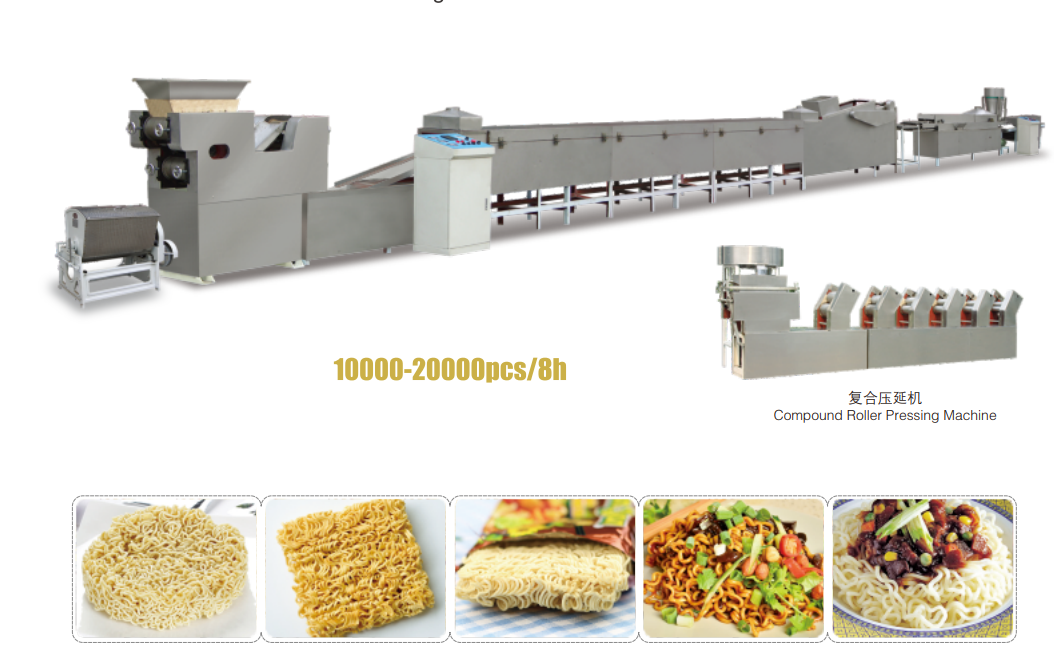
The era of guesswork in dough preparation is over, replaced by automated systems that meter, mix, and knead with exacting consistency. These robotic solutions replicate the nuanced hand of an artisan baker but with programmable, repeatable motions—adjusting torque, speed, and duration to the specific hydration and protein content of each batch. The result is a dough that develops optimal gluten structure every time, eliminating the variances that come from manual handling.
What sets this technology apart is its adaptive learning capability. Sensors continuously monitor dough viscosity and temperature, feeding data back to the central controller, which can make micro-adjustments mid-cycle. If a flour shipment absorbs water differently or the ambient temperature shifts, the system compensates instantly. This isn’t simple automation; it’s a closed-loop process that learns from each batch, preserving the unique character of the recipe while ensuring uniformity at scale.
For commercial bakeries, the impact extends beyond product consistency. Robotic mixing and kneading reduce labor dependency, minimize ingredient waste from failed batches, and enable rapid changeovers between dough types. Operators can load recipes, walk away, and return to perfectly developed dough—freeing them to focus on shaping, proofing, and creative product development. It’s precision without compromise, delivering the tactile quality of handcrafted dough through mechanical mastery.
Steam Cooking for Quick Prep and Rich Flavor
Steaming flips the script on weeknight cooking. Instead of hovering over a sputtering pan or waiting for a pot to boil, you simply set up a steamer basket or bamboo tier, add water, and walk away. Vegetables, fish, and dumplings cook in just minutes, often faster than roasting or braising. There’s no need to chop ingredients uniformly or pre-sear anything—the moist heat handles the heavy lifting. You can even layer multiple items in a stacked steamer, cutting active prep time down to almost nothing.
That quick method comes with a surprising depth of flavor. Without immersion in water or oil, delicate aromas stay locked inside the food. Herbs and spices placed in the steaming liquid subtly infuse the entire dish, while natural sugars in vegetables caramelize slightly at the elevated temperature, creating a clean sweetness. A splash of soy sauce, a drizzle of sesame oil, or a handful of ginger threads added just before steaming can transform a humble piece of fish or a bowl of greens into something deeply savory and satisfying.
Cutting and Shaping: Innovation Meets Tradition
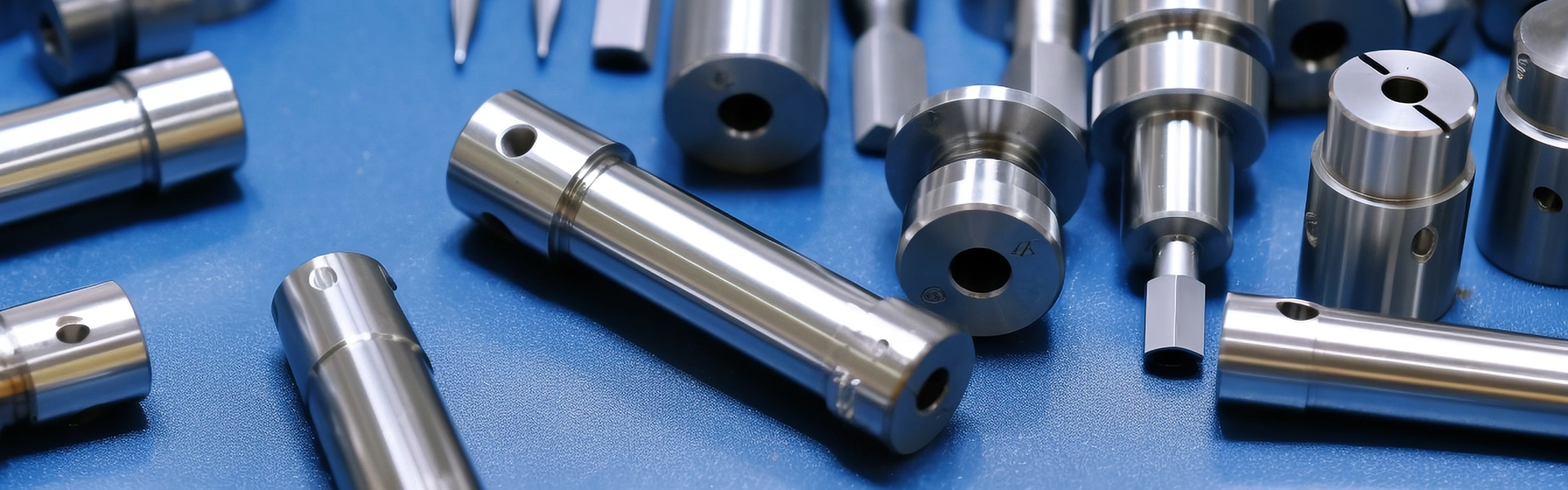
In the world of precision work, the marriage of age-old techniques with modern engineering often yields results that neither could achieve alone. Hand-guided methods, passed down through generations, still dictate the rhythm of roughing out forms — a chisel’s bite, the rasp’s drag — while computer-assisted machinery steps in to refine tolerances human hands can only approximate. This push-and-pull between intuition and exactness doesn’t dilute craft; it amplifies it, turning raw stock into components that feel both rooted and remarkably precise.
Shaping operations now borrow from both sides of the timeline. Water-jet cutters slice with the same fluid logic as a steady stream eroding stone, yet they follow digital paths plotted to thousandths of an inch. Laser sintering, too, echoes ancient lost-wax casting — only here, light replaces molten metal, building layers where fire once poured. These aren’t replacements but translations, keeping the material’s integrity while unlocking geometries once constrained by tool reach or hand strength.
What emerges is a new language of making, where the tool marks of a hand-filed surface might sit next to a mirror-finished curve born from code. It’s not about choosing sides but recognizing that innovation, in its most lasting form, often wears the guise of a continuation — taking what we’ve always known about cutting and shaping and applying it through lenses that our predecessors could never have ground themselves.
The Flash Frying Method for Irresistible Crunch
Flash frying isn't just a cooking technique—it's a dedication to texture. The method involves plunging food into oil that's been heated to a precise, scorching temperature, typically between 375°F and 400°F. This intense heat instantly sears the exterior, creating a shatteringly crisp shell while the interior stays juicy and tender. It’s a high-stakes dance with timing, where every second counts, and the reward is a crunch that resonates long after the bite.
What sets this approach apart from conventional deep-frying is the minimal moisture loss and the rapid development of that golden, lacy crust. Because the food is exposed to high heat for such a short duration, the natural sugars and proteins undergo the Maillard reaction at an accelerated pace, producing complex, savory notes without absorbing a greasy mess. Whether it's for delicate seafood, thinly sliced vegetables, or even unexpected ingredients like cheese or fruit, the result defies the usual heaviness associated with fried food.
Mastering flash frying at home requires a reliable thermometer, a heavy-bottomed pot, and the confidence to work quickly. Small batches are essential—overcrowding drops the oil temperature and leads to soggy outcomes. Once you achieve that first batch of perfectly blistered, airy crispness, you’ll understand why this method has become the secret weapon of chefs who prize texture above all else.
Packaging Technology That Extends Freshness
Subtle shifts in a package's internal atmosphere can dramatically slow spoilage. Modified atmosphere packaging replaces oxygen with nitrogen or carbon dioxide, suffocating the microbes and enzymatic reactions that turn lettuce limp and meat brown. Even the simple pull of a vacuum, stripping air from around soft cheeses or cured meats, halts aerobic bacteria in their tracks—effectively pausing the clock on decay without a single chemical additive.
Sometimes the package itself becomes a silent guardian, fighting degradation long after it leaves the line. Oxygen scavengers tucked inside a cap or film sachet actively trap stray O₂ that sneaks through seals, while moisture-regulating pads soak up excess liquid in berry clamshells to fend off mold. These built-in helpers adapt to the specific needs of each product, whether it’s keeping coffee beans’ oils from turning rancid or preventing sliced salami from developing a slimy surface.
Advances in barrier coatings drawn from shellfish and seaweed are redefining passive protection. A thin layer of chitosan or alginate on the inside of a bag becomes a molecular gatekeeper, restricting both oxygen entry and moisture loss while staying completely edible. Pair that with essential oil emulsions that disrupt bacterial cell walls on contact, and the result is a packaging system that mirrors the produce’s own biological defenses—preserving strawberries’ firmness and flavor days beyond what a plain plastic clamshell could manage.
FAQ
It’s about precision engineering and smart automation. A truly high-quality line integrates advanced mixing, steaming, and cutting technologies to ensure consistent noodle texture, while real-time quality checks catch imperfections that cheaper setups miss.
Efficiency comes from synchronized processes—continuous dough sheeting, rapid steam cooking, and multi-lane cutting that reduce downtime. Intelligent sensors adjust moisture and temperature on the fly, cutting waste and boosting output without compromising quality.
Absolutely. Top-tier lines are designed with adjustable rollers and interchangeable cutters, so you can switch between cup noodles, wavy bricks, or round patties quickly. Recipe settings are saved digitally for seamless transitions.
It’s the backbone. In-line metal detectors, optical sorters, and weight checkers work continuously to remove subpar product. Combined with automated oil spraying and drying control, you get that same crunch and flavor in every single pack.
It starts with uniform dough hydration and controlled resting time, followed by precise steaming that gelatinizes the starch perfectly. Frying or air-drying temperatures are micro-managed, so each noodle strand develops the right bite and absorbs flavor evenly.
Yes, many now incorporate energy-efficient fryers that reclaim heat, water recycling systems for cleaning, and even oil filtration that extends frying oil life. It’s about reducing environmental footprint without sacrificing production speed.
While they’re built to be robust, the complexity means routine calibration of sensors and drives is essential. However, predictive maintenance alerts from built-in diagnostics minimize unexpected breakdowns, so the line stays productive longer.
For brands aiming for premium positioning or large-volume contracts, definitely. The payback comes from lower defect rates, less raw material waste, and the ability to command a higher price point due to consistently superior quality.
Conclusion
Every bowl of exceptional instant noodles starts long before water boils—it begins with carefully sourced ingredients. The production line selects premium wheat flour and wholesome seasonings, ensuring each component contributes to a superior taste and texture. Once chosen, the dough gets elevated through robotic mixing and kneading that brings unmatched consistency. These automated systems measure hydration levels and gluten development with human-like intuition, yet deliver repeatable precision no manual process can match. From there, steaming takes over: rather than boiling, the noodles are gently cooked by steam, locking in a richer flavor while drastically cutting preparation time. This method preserves the natural aroma of the grains and creates an ideal base for the next steps.
Stepping into the shaping stage, tradition meets modern engineering. Automated cutters slice the steamed sheets into exactly the right thickness, mimicking the hand-pulled feel that consumers love, while allowing mass production. The lines then deploy flash frying—a technique that submerges noodles in hot oil for mere seconds. The result is that signature crunch without excessive oil absorption, achieving a light, crisp texture that stays satisfying. Finally, advanced packaging technologies seal in this freshness. Modified atmosphere packaging and high-barrier films prevent oxidation, so the noodles remain as vibrant as the day they were made. All these stages work in harmony, turning a simple pantry staple into a benchmark of quality and efficiency.
Contact Us
Contact Person: LILY SUN
Email: [email protected]
Tel/WhatsApp: 0086-13969103791
Website: https://www.snackfoodmachinery.com/