High Temperature Defoamer Factory: A Practical Guide for Industrial Buyers
2026-07-20
In high-temperature industrial processes, foam isn't just a nuisance—it's a costly disruption that can slash efficiency and compromise product quality. Whether you're in oil refining, chemical manufacturing, or power generation, persistent foam under extreme heat demands a robust solution. That's where a specialized high temperature defoamer from a trusted supplier makes all the difference. At EVO, we understand that every application has unique challenges, and our engineered antifoams are built to perform when the heat is on. In this guide, we'll walk you through what to look for when sourcing from a high temperature defoamer factory, so you can make an informed decision that keeps your operations running smoothly.
Why High-Heat Foam Control Matters in Heavy Industries
In heavy industries like steelmaking or petrochemical refining, processes often run at temperatures that can exceed several hundred degrees. That’s where uncontrolled foam becomes more than just a nuisance—it can turn into a real operational hazard. A dense layer of foam can slow down heat transfer, causing equipment to overwork or even crack under uneven thermal stress. I’ve seen how a sudden foam-over in a distillation column doesn’t just halt production; it forces costly shutdowns and puts workers at risk from splashing hot liquids or toxic releases.
Choosing a foam control agent that holds up under intense heat isn’t a minor detail. Standard silicone defoamers often break down or leave behind residues that contaminate the final product, which in industries like metal plating or high-temperature adhesive curing can mean a whole batch gets rejected. The right high-heat defoamer doesn’t just knock down foam—it stays stable, resists oxidation, and integrates without compromising the chemistry you’ve worked hard to perfect. That kind of reliability is worth its weight in avoided downtime and scrap.
Key Characteristics That Set a Reliable Defoamer Apart
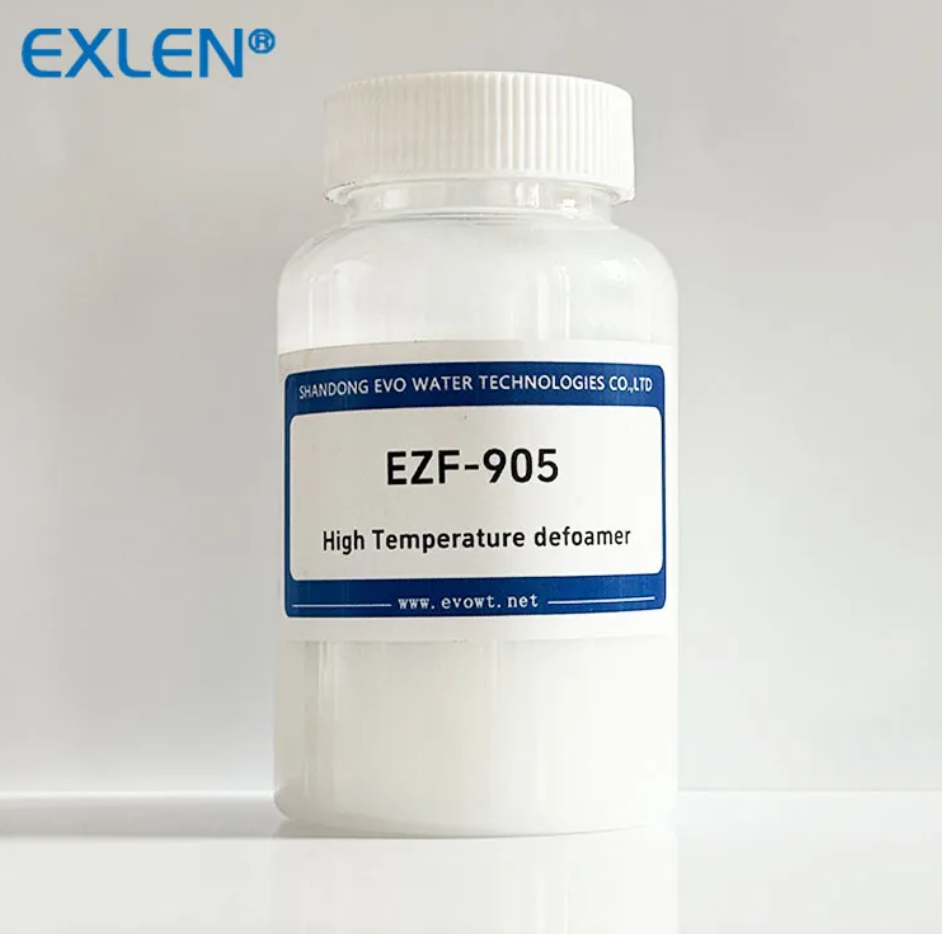
A truly reliable defoamer does more than just knock down foam—it sustains that performance across varying temperatures, pH levels, and shear conditions. Many products collapse under process shifts, but the standout ones maintain stability without breaking down or causing secondary issues like deposits or emulsion inversion. This resilience often stems from a carefully balanced formulation where the active ingredients remain finely dispersed, not just at the moment of addition but throughout the entire production cycle.
Compatibility is another quiet differentiator. A defoamer shouldn't interfere with the final product's clarity, adhesion, or surface properties. In coatings, for instance, a poorly chosen agent can lead to cratering or fisheyes that ruin the finish. The best options integrate seamlessly, providing bubble control without leaving visible residues or impacting recoatability. That level of finesse demands precise tailoring of the defoamer's carrier system and particle size to the specific medium, which generic, one-size-fits-all solutions rarely achieve.
Long-term efficiency also hinges on how the defoamer ages in the system. Some lose potency quickly because the droplets coalesce or are consumed by side reactions. Superior products persist at low dosage, often through a mechanism that ensures a reservoir of active material is slowly released or through molecular structures that resist agglomeration. This not only reduces the total cost in use but also minimizes the risk of over-addition, which can itself cause quality problems. When a defoamer performs consistently over extended runs without constant top-ups, it earns its place as a process enabler rather than a recurring headache.
What to Look for When Touring a Production Facility
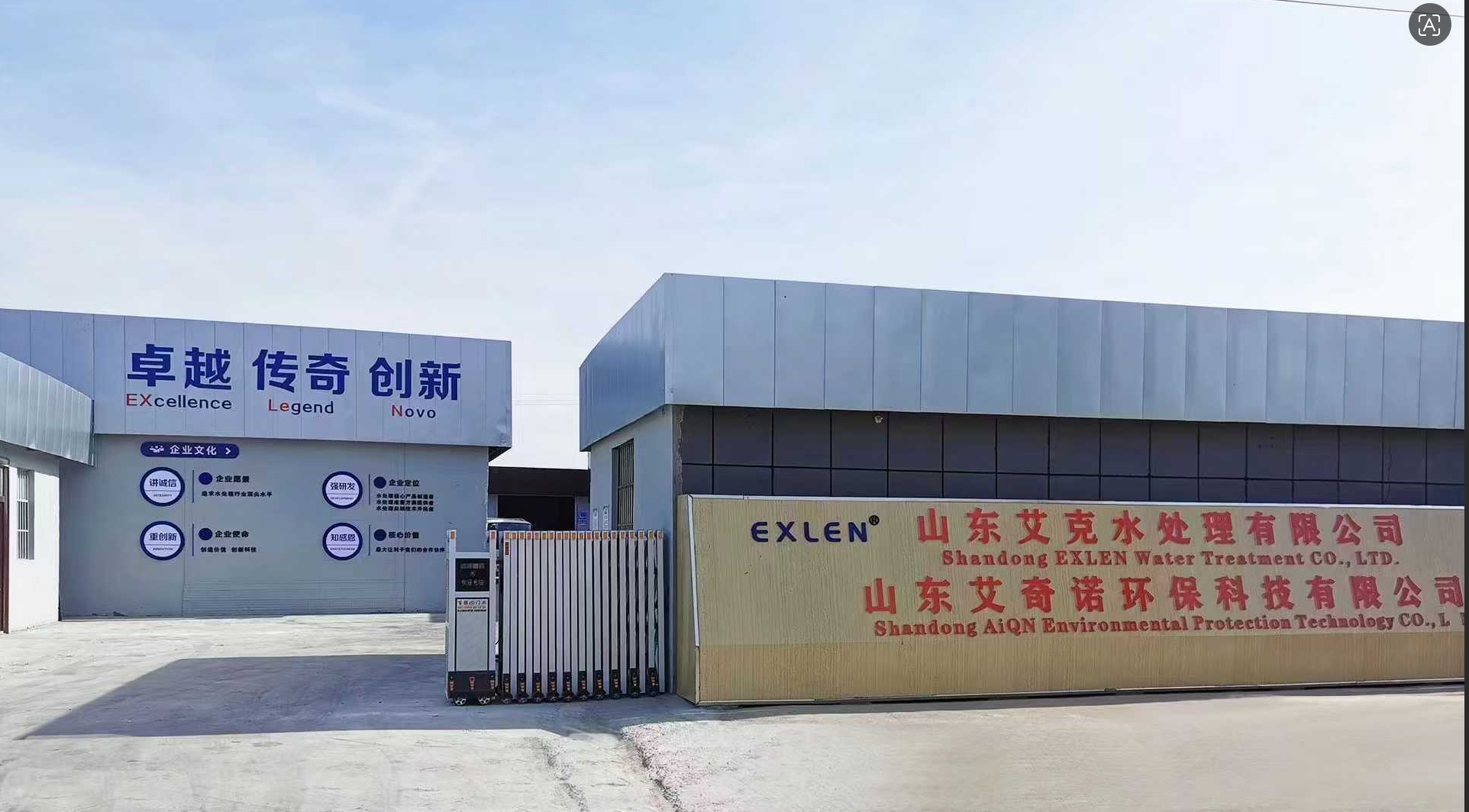
Walking through a production facility isn’t just about seeing machines in motion—it’s about sensing the rhythm of the place. Look beyond the shiny equipment and focus on how people move through the space. Are operators engaged and attentive, or do they seem disconnected from the process? Notice the flow of materials: do they travel smoothly from one station to the next, or do you spot piles of work-in-progress that hint at bottlenecks? A well-tuned facility feels almost choreographed, with minimal wasted motion and clear visual cues that keep everyone aligned.
Details often hide in plain sight. Check the condition of tooling, the organization of workstations, and how the team handles deviations. Are quality checks woven naturally into the workflow, or do they feel like an afterthought? Listen to the ambient sounds—irregular clanks or hisses can reveal maintenance gaps that won’t appear on a performance chart. Also observe how information travels: do instructions and updates move quickly between shifts, or is there a reliance on memory and sticky notes? These small indicators can tell you more about reliability than any polished presentation.
Finally, gauge the culture. Ask line workers what happens when something goes wrong—do they speak openly about problems, or is there hesitation? A facility that embraces transparency usually has stronger continuous improvement habits. Watch how managers interact with the team; respect and curiosity at the ground level often translate into higher consistency and faster problem-solving. The physical space matters, but it’s the human layer that ultimately determines whether a facility can deliver on its promises.
Balancing Cost and Performance Without Compromise
Striking the right balance between cost and performance often feels like a tug-of-war—cut expenses and risk sluggish systems, or chase speed and watch budgets balloon. The real art lies in recognizing that frugality and excellence aren’t mutually exclusive. By critically evaluating where performance truly matters, you can allocate resources precisely. For instance, not every workflow requires top-tier computing power; sometimes, a moderately priced service with auto-scaling capabilities delivers 90% of the speed at half the cost, freeing up funds for the handful of tasks where latency directly impacts user satisfaction or revenue.
Cost optimization isn’t about slashing indiscriminately—it’s about shedding waste while preserving, or even enhancing, what users value most. Start by mapping actual usage patterns instead of relying on vendor promises or theoretical peaks. Many teams discover they’re over-provisioning for rare spikes that could be efficiently absorbed through burstable instances or content delivery networks. Similarly, legacy architectures often mask hidden inefficiencies: a monolithic design might seem cheap but incurs disproportionate maintenance overhead, while a thoughtfully decoupled system can reduce long-term operational costs without sacrificing responsiveness. The key is to measure trade-offs not in isolation, but against the lived experience of your end-users.
There’s a subtle discipline in knowing when to accept “good enough” and when to push boundaries. Chasing the final 5% of performance can multiply costs dramatically, often for gains that no human can perceive. Instead, invest in observability—real metrics, not guesswork—to identify the precise inflection points where spending yields diminishing returns. Sometimes, a simple caching layer or database index adjustment solves bottlenecks more cost-effectively than a wholesale infrastructure upgrade. Ultimately, balancing cost and performance is less about compromise and more about clarity: clarity on what your system actually needs, what your users genuinely notice, and what simply adds unnecessary zeros to your bill.
Common Mistakes Buyers Make When Ordering Bulk Supplies
One of the biggest oversights is failing to verify product specifications before placing a large order. Buyers often assume that a sample or small trial lot perfectly represents the full shipment, but variations in materials, manufacturing batches, or storage conditions can lead to noticeable differences. Without a clear, documented quality checklist and a pre-agreed tolerance range, you might end up with items that don’t meet your needs – and a supplier who insists the goods are “within industry standards.”
Many purchasers also underestimate the hidden costs tied to bulk deliveries. It’s not just the unit price that matters; freight charges, customs duties, warehousing fees, and even the cost of disposing excess packaging can quickly eat into your budget. Some buyers get lured by a low per-unit rate only to discover that the supplier’s logistics arrangement is far more expensive than local alternatives, or that the delivery timeline clashes with their storage capacity, leading to extra handling and demurrage fees.
Another common mistake is neglecting to build flexibility into the contract terms. Markets shift, demand forecasts change, and rigid purchase agreements can leave you stuck with surplus inventory or penalties for adjusting order volumes. Smart buyers negotiate reasonable minimums, cancellation windows, and partial shipment options upfront, rather than accepting a supplier’s standard template. A little legal review and scenario planning before signing can save months of headache and financial drain down the line.
Questions to Ask Before Signing a Long-Term Contract
Before you lock yourself into a lengthy agreement, dig into the specifics of how the contract can end. Most people focus on the start date, but the exit strategy is where surprise costs hide. Ask directly: Under what circumstances can either side terminate early, and what are the penalties? If the answer is vague or heavily favors the other party, that’s a signal to negotiate. Get the exact notice period, the conditions for a no-fault termination, and whether there’s a mandatory service transfer fee. These details rarely make the sales pitch, but they define your flexibility down the road.
Pricing escalations in long-term contracts can quietly wreck your budget. Instead of accepting a fixed annual percentage increase, push for clarity on what triggers a price change and whether you can cap it. Some vendors tie increases to the Consumer Price Index, others to an arbitrary “market rate” – the latter can double costs without warning. Ask for examples of past increases for similar clients. A vendor resistant to capping or linking to a truly independent metric might be planning to grow their margins at your expense.
Service-level guarantees look reassuring on paper until you realize the remedies for failure amount to pocket change. Drill into the specifics: How is uptime measured, what counts as an outage, and exactly what do you receive if they miss the mark? If the compensation is a small credit toward future services, it won’t offset lost revenue. Consider asking for a clause that lets you exit without penalty after repeated failures, even if the individual incidents fall within the allowed threshold. That kind of leverage keeps performance front and center long after the ink dries.
FAQ
It really comes down to their ability to formulate products that maintain performance under extreme heat. These factories invest in specialized R&D and often use advanced silicone or polymer blends that resist breakdown, something not all manufacturers can handle.
Start by requesting samples for pilot testing in your own process conditions. Look into their certifications like ISO 9001 and ask for case studies or references from clients in similar industries. A transparent factory won’t hesitate to share performance data or arrange a plant visit.
Pay close attention to the thermal stability range, pH compatibility, and dosage recommendations. Also look for real-world test results rather than just marketing claims. Viscosity and active content can hint at how well it’ll disperse in your system.
It’s about the carrier fluid and emulsifier package. Defoamers designed for aqueous systems need hydrophilic components to disperse evenly, but if the balance is off, they can destabilize or lose efficacy at high temperatures. Oil-based ones might be more stable but harder to incorporate into water mixes.
Logistics and storage conditions. High-temperature defoamers can be sensitive to shipping delays or extreme cold during transit, which may affect their structure. Always confirm packaging standards and shelf life, and consider regional warehousing if possible.
Ask for third-party test reports and certifications like REACH or RoHS compliance. Cross-check the Safety Data Sheet (SDS) for hazardous components. If a factory hesitates to provide these, it’s a red flag.
In many cases yes, but it requires careful selection. Look for products labeled as having strong shear stability alongside high-temperature tolerance. Often these are silicone-based with robust molecular structures. Still, you should run a field trial under combined conditions to be sure.
Beyond unit price, focus on technical support, delivery lead times, and the flexibility to tweak formulations if your process changes. A good partner will offer follow-up analytical services and not lock you into rigid terms if your consumption patterns shift.
Conclusion
In demanding industrial settings—from oil refining to chemical processing—uncontrolled foam at high temperatures isn’t just a nuisance; it can throttle production, damage equipment, and create safety hazards. A dependable high-temperature defoamer does more than pop bubbles; it maintains stability under thermal stress, resists breakdown, and disperses rapidly without leaving residues that foul heat exchangers or reactors. When evaluating a supplier’s factory, look beyond the sales pitch. Pay attention to how they handle raw material traceability, batch-to-batch consistency, and in-house testing under simulated operating conditions. A facility that openly walks you through its R&D lab, pilot-scale reactors, and quality-control protocols signals a partner that takes your process conditions seriously—not just a vendor pushing a generic formula.
The real art lies in balancing upfront price with total cost of ownership. Overpaying for a “premium” product that overshoots your needs is as wasteful as gambling on a cheap defoamer that fails mid-batch. Smart buyers map out dosage rates, compatibility with existing chemistries, and storage stability, then run small-scale trials before committing to bulk orders. Avoid the common trap of fixating solely on the purchase price while ignoring hidden expenses like increased downtime or extra filtration steps. Before signing a long-term contract, ask pointed questions: How will the formulation adapt if your process temperatures shift? What safeguards exist against supply chain disruptions? A true manufacturing partner will provide empirical data, not just brochures, and will stand behind their product’s performance under your specific operating envelope, ensuring that foam control never becomes the weak link in your production chain.
Contact Us
Contact Person: Fiona Su
Email: [email protected]
Tel/WhatsApp: 8619963724144
Website: https://www.evo-chemical.com/