
Hot-dip Galvanized I-beam Structural Solutions: Factory Quality and Durability
2026-03-09
Welcome to the world of structural excellence – where the combination of superior materials and expert engineering creates solutions that stand the test of time. Today, we're diving into hot-dip galvanized I-beam structural solutions, a crucial element in modern construction that brings factory-quality precision and unmatched durability to buildings and infrastructure. At the heart of this innovation is Shunchen steel, a brand synonymous with reliability and advanced manufacturing. In this blog, we'll uncover why their hot-dip galvanized I-beams have become a go-to choice for engineers and builders worldwide, offering insights into their quality, applications, and how they enhance longevity in demanding environments. Ready to explore how these solutions can elevate your next project? Let's get started.
Enhancing Structural Integrity with Hot-Dip Galvanized I-Beams
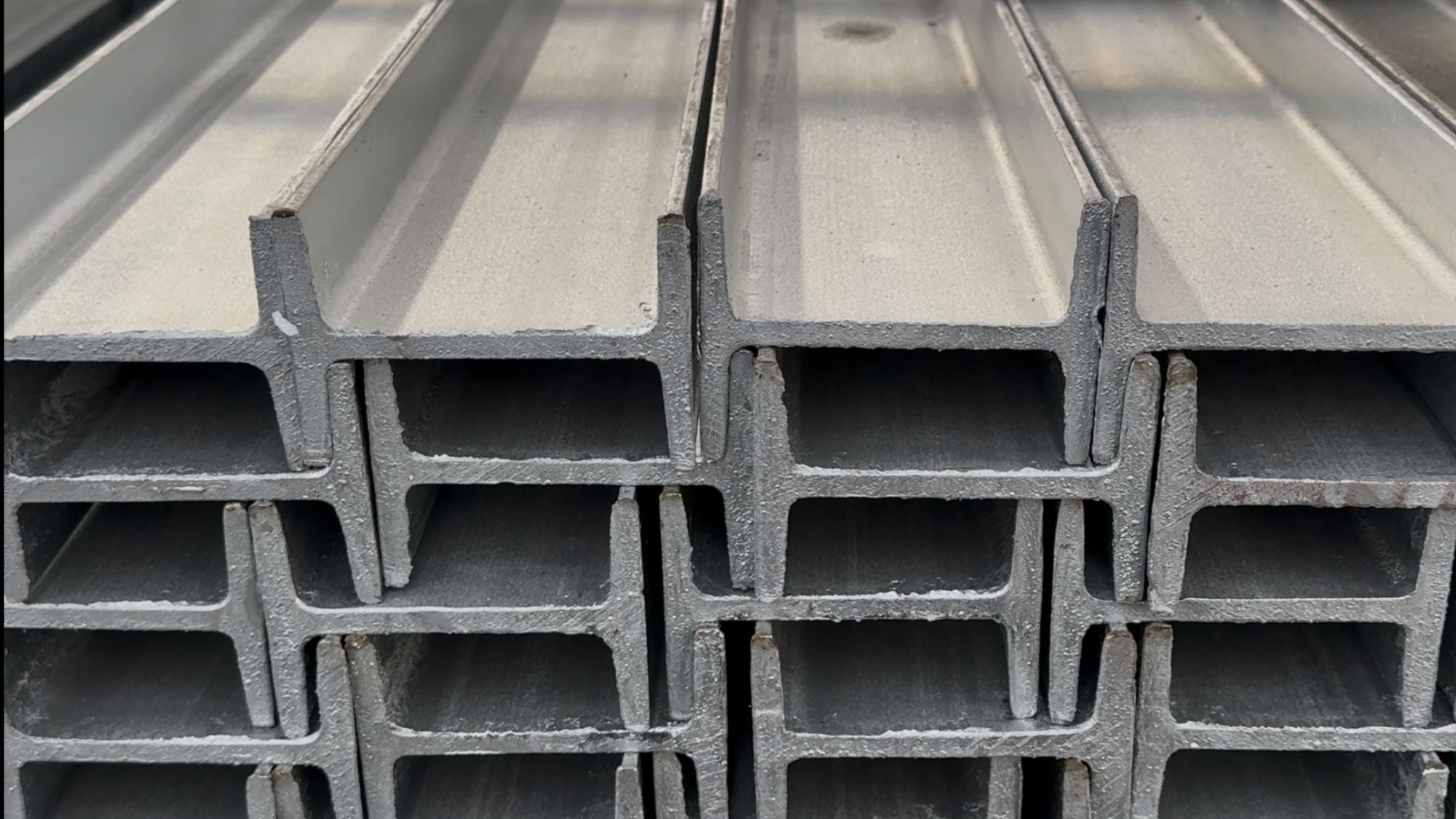
Hot-dip galvanized I-beams are a critical component in modern construction, offering superior protection against corrosion that can compromise structural integrity over time. By immersing steel I-beams in molten zinc, a durable zinc-iron alloy coating forms, creating a barrier that shields the metal from environmental elements like moisture and chemicals. This process not only extends the lifespan of the beams but also reduces maintenance needs, making them a cost-effective choice for projects in harsh conditions, such as coastal areas or industrial settings.
The galvanization process enhances the mechanical properties of I-beams, contributing to their load-bearing capacity and overall stability. Unlike untreated steel, which may weaken due to rust, galvanized beams maintain their strength, ensuring buildings and bridges remain safe and resilient. This added durability is particularly valuable in seismic zones or regions with extreme weather, where structural failures can have severe consequences.
Beyond just protection, hot-dip galvanized I-beams offer versatility in design and application, supporting innovative architectural projects. Their sleek, corrosion-resistant finish allows for use in exposed structures, combining functionality with aesthetic appeal, while meeting stringent safety standards without the need for frequent inspections or repairs.
Factory-Driven Quality Assurance for Long-Lasting I-Beam Solutions
Our approach to ensuring the longevity of I-beam solutions starts right at the production floor, where factory-driven quality assurance eliminates guesswork. By integrating real-time monitoring systems with automated testing protocols, we catch potential structural inconsistencies before they ever leave the facility. This proactive stance means every beam is subjected to rigorous checks for material integrity, dimensional accuracy, and load-bearing capacity, directly translating into durable installations that withstand the test of time and environmental stressors.
Unlike traditional methods that rely heavily on post-production inspections, our factory-centric model embeds quality into every manufacturing phase. From raw material selection—sourcing only high-grade steel with certified traceability—to precise fabrication techniques that minimize welding defects, each step is overseen by advanced diagnostics. This seamless integration allows us to maintain consistency across batches, ensuring that long-lasting performance isn't just a promise but a repeatable outcome, backed by detailed documentation for every beam produced.
Ultimately, this focus on in-factory quality assurance transforms I-beam solutions from mere components into reliable assets. By prioritizing durability from the outset, we reduce on-site failures and maintenance needs, offering clients peace of mind through extended service life. The result is a product line that not only meets industry standards but sets new benchmarks for resilience, making it a smart investment for projects demanding unwavering structural integrity over decades.
Durability Features of Galvanized I-Beams in Harsh Environments
Galvanized I-beams stand out in harsh settings due to their zinc coating, which acts as a barrier against corrosion. In environments with high humidity, salt spray, or acidic pollutants, this protection prevents rust from compromising the structural integrity. We've seen these beams hold up well in coastal construction and industrial facilities, where exposure to moisture is constant. It's not just about durability—it means fewer repairs and lower long-term costs, making them a practical choice for tough conditions.
Beyond basic corrosion resistance, the galvanization process enhances longevity in fluctuating temperatures and chemical exposures. In places like mining sites or chemical plants, where beams face abrasion from dust or aggressive substances, the zinc layer absorbs damage instead of the steel. This slow degradation process helps maintain strength over decades. For instance, in a recent bridge project in a snowy region, galvanized I-beams showed minimal wear despite years of de-icing salts, highlighting their resilience in variable climates.
What sets galvanized I-beams apart is their ability to self-heal minor scratches through zinc's sacrificial properties. In harsh environments, small damages from debris or handling won't lead to immediate failure—the coating redistributes to seal gaps. This feature is crucial in areas prone to seismic activity or heavy loads, ensuring safety without constant monitoring. From offshore platforms to desert storage units, these beams deliver reliable performance, blending durability with low maintenance in ways that other materials often can't match.
Customizable Hot-Dip Galvanized I-Beam Designs for Modern Construction
Modern construction demands structural components that not only meet rigorous safety standards but also adapt to diverse architectural visions, making customizable hot-dip galvanized I-beams a game-changer in the industry. These beams are crafted with a focus on flexibility, allowing architects and engineers to specify dimensions, lengths, and load-bearing capacities tailored to specific project needs. From sleek, minimalist designs in urban skyscrapers to robust frameworks for industrial facilities, the customization options empower builders to achieve both aesthetic appeal and functional integrity. This adaptability ensures that each beam fits seamlessly into complex construction plans, reducing waste and enhancing efficiency on-site.
Hot-dip galvanization adds a crucial layer of durability to these I-beams, protecting them from corrosion and extending their lifespan in challenging environments. The process involves immersing the steel in molten zinc, which forms a metallurgical bond that resists rust even in coastal areas or humid climates. For modern construction, this means reduced maintenance costs and a longer service life, contributing to sustainable building practices. Customizable designs do not compromise this protective coating; instead, they are integrated from the outset, ensuring that each beam's specifications align with both structural requirements and long-term resilience. As a result, projects can withstand the test of time while maintaining their visual and structural integrity.
In today's fast-paced construction landscape, the ability to source and implement I-beams that are both customizable and galvanized offers a competitive edge. Manufacturers now leverage advanced technologies, such as 3D modeling and precision cutting, to produce beams with exact tolerances and intricate details. This innovation allows for unique applications, like curved beams in artistic façades or reinforced sections in high-stress zones. By combining customization with galvanization, builders can address specific challenges, such as seismic resistance or weather exposure, without resorting to generic solutions. Ultimately, these beams are not just structural elements but integral parts of modern construction's push toward smarter, more resilient, and visually striking buildings.
Comparing Galvanized I-Beams to Traditional Structural Materials
Galvanized I-beams are often touted for their durability against corrosion, but how do they really stack up against classic materials like untreated steel, timber, or concrete in real-world applications? While traditional materials have long been trusted, galvanized steel offers a hybrid solution that merges strength with extended lifespan, especially in environments prone to moisture or chemical exposure. For instance, in coastal construction, untreated steel might succumb to rust within years, whereas galvanized I-beams can withstand decades without significant degradation, potentially reducing long-term maintenance costs and safety risks.
Beyond corrosion resistance, galvanized I-beams bring unique advantages in terms of weight-to-strength ratio and ease of installation compared to some traditional options. Unlike heavy concrete structures that require extensive curing time and specialized equipment, galvanized I-beams are relatively lightweight and can be prefabricated, speeding up assembly on-site. This efficiency contrasts with timber, which may warp or decay over time, or with standard steel that needs additional protective coatings. In scenarios like modern warehouse builds, this translates to faster project completion and potentially lower labor expenses, making galvanized versions a compelling choice for time-sensitive or budget-conscious projects.
However, it's crucial to consider the full lifecycle impact and initial investment when comparing these materials. Traditional materials like concrete might excel in sheer compressive strength and fire resistance, while timber offers a renewable, aesthetically pleasing alternative with lower embodied energy. Galvanized I-beams, while initially more costly due to the zinc coating process, can offset this through reduced upkeep and longer service life. Ultimately, the best choice depends on specific factors such as environmental conditions, structural requirements, and sustainability goals, highlighting that no one-size-fits-all solution exists in modern construction.
Case Studies Showcasing Hot-Dip Galvanized I-Beam Performance
In the construction of the Riverdale pedestrian bridge, hot-dip galvanized I-beams were chosen for their enhanced durability under harsh weather conditions. Over a decade of service, regular inspections have shown minimal corrosion, even in areas exposed to rain and salt. This has led to reduced maintenance costs and prolonged structural integrity, demonstrating how galvanization can extend the lifespan of steel components in outdoor applications.
A recent industrial warehouse project in a coastal region utilized hot-dip galvanized I-beams to counteract high humidity and sea spray. The beams, installed as part of the building's framework, have maintained their protective zinc coating effectively. Compared to untreated steel used in nearby structures, these beams exhibit significantly less surface degradation, showcasing the method's reliability in preventing rust and ensuring long-term performance in corrosive environments.
For a major transportation hub, hot-dip galvanized I-beams were integrated into the support system to handle heavy loads and frequent vibrations. Post-installation assessments reveal that the galvanized coating has adhered well, with no signs of flaking or wear. This case underscores not only the corrosion resistance but also the material's ability to withstand physical stresses, making it a preferred choice for infrastructure projects demanding both strength and longevity.
FAQ
Hot-dip galvanized I-beams offer superior corrosion resistance, which extends the lifespan of structures even in harsh environments, reducing maintenance costs and ensuring long-term durability for industrial and commercial buildings.
Factory quality control involves rigorous testing of the galvanizing process, material composition, and dimensional accuracy, resulting in consistently high-quality I-beams that meet industry standards and perform reliably under stress.
They are frequently employed in bridges, warehouses, and infrastructure projects where exposure to weather or chemicals demands robust, rust-resistant structural components that can withstand heavy loads over time.
Unlike paint or electroplating, hot-dip galvanizing involves immersing the I-beam in molten zinc, forming a metallurgical bond that provides thicker, more uniform protection against corrosion, often lasting decades without significant degradation.
Yes, factories often offer customization in terms of sizes, lengths, and load-bearing capacities, allowing engineers to tailor these I-beams to unique project requirements while maintaining the integrity of the galvanized coating.
Hot-dip galvanized I-beams significantly outlast untreated steel, with the zinc coating acting as a sacrificial layer that prevents rust, making them a cost-effective choice for long-lasting structural solutions in demanding applications.
The galvanizing process is environmentally friendly, as zinc is a recyclable material, and the long lifespan of these I-beams reduces resource consumption and waste compared to frequently replaced alternatives.
Minimal maintenance is needed, as the galvanized coating is self-healing and resistant to weathering; occasional inspections for damage are usually sufficient to ensure ongoing structural integrity.
Conclusion
Hot-dip galvanized I-beams are revolutionizing modern construction by combining exceptional structural integrity with robust durability. These beams are processed through a factory-driven quality assurance system that ensures each component meets stringent standards for long-lasting performance. The hot-dip galvanizing process involves immersing I-beams in molten zinc, creating a metallurgical bond that provides superior corrosion resistance, especially in harsh environments like coastal areas or industrial settings. This not only extends the lifespan of structures but also reduces maintenance costs, making them a cost-effective solution over time. By comparing galvanized I-beams to traditional materials like untreated steel or wood, it's clear they offer enhanced protection against rust, UV damage, and temperature fluctuations, ensuring buildings remain stable and secure.
Additionally, hot-dip galvanized I-beams are highly customizable, allowing architects and engineers to tailor designs for modern construction projects, from skyscrapers to bridges. Case studies highlight their real-world performance, showcasing how they withstand extreme conditions while maintaining factory quality. Unlike generic structural options, these solutions stand out by integrating advanced features like uniform coating and eco-friendliness, making them a preferred choice for sustainable building practices. Their ability to blend strength with adaptability ensures they meet diverse design needs without compromising on reliability, setting a new benchmark in the industry for innovative and enduring construction materials.
Contact Us
Contact Person: Max Zhou
Email: [email protected]
Tel/WhatsApp: +86 15712216177
Website: https://www.shunchensteelmaterial.com/