
Hybrid Servo Press Brake Company Leads the Shift to Clean Precision Bending
2026-10-07
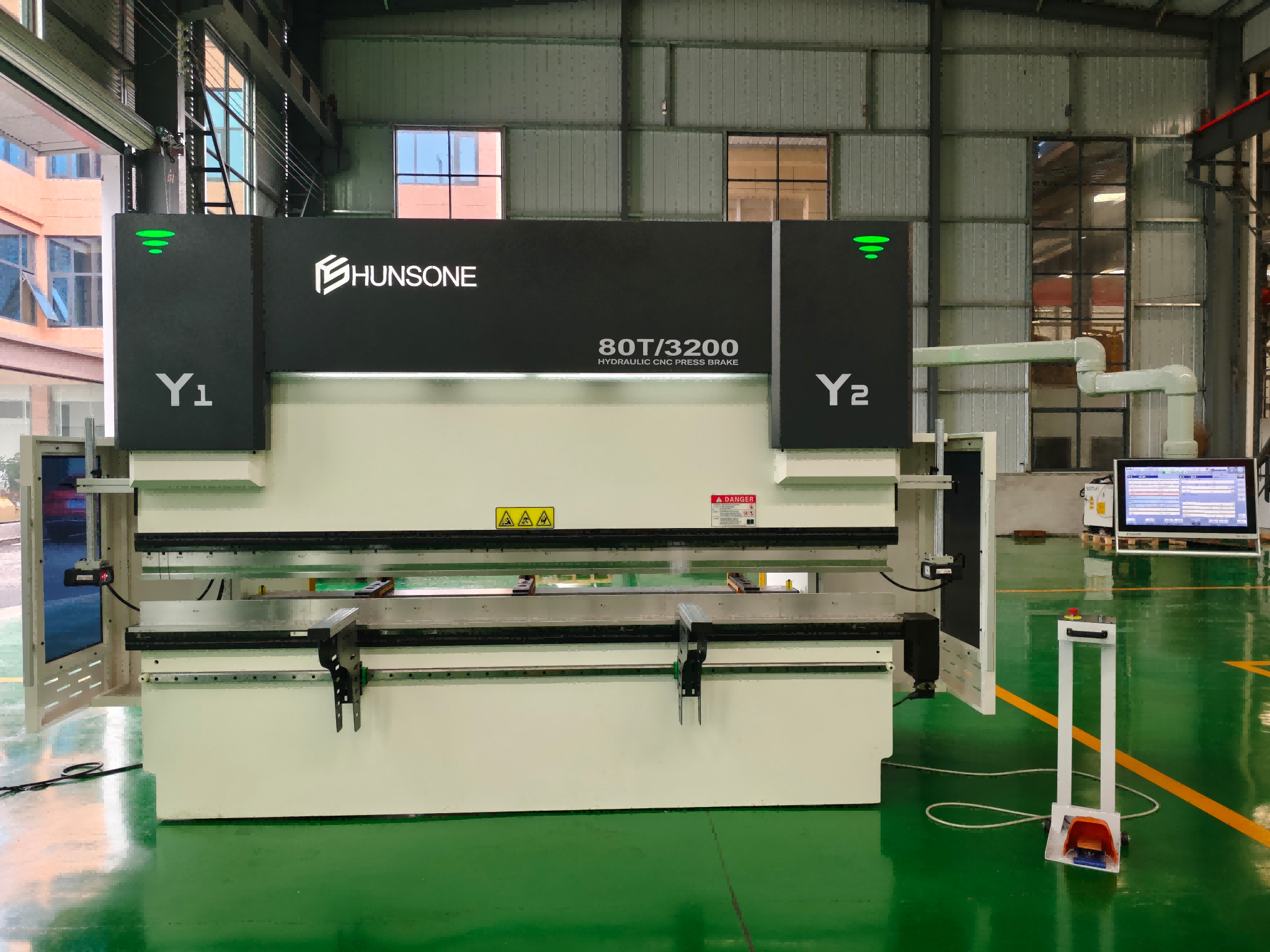
Ask any fabricator about their biggest headaches, and hydraulic maintenance, energy waste, and inconsistent angles will top the list. The shift to clean precision bending isn't just a trend—it's an operational necessity. HUNSONE, a hybrid servo press brake leader, is proving that high accuracy and low environmental impact can coexist. Here's why their approach is turning heads across the industry.
Cleaner Bends Start With Ditching the Hydraulic Tank
Removing the hydraulic tank from a tube bending setup changes the entire cleanliness equation. Hydraulic systems leak, mist, and weep oil around seals and fittings, and that film settles on freshly bent parts, tools, and the floor. Once you switch to an all-electric axis drive, there is no reservoir to top off, no hoses to sweat, and no filters to swap. The immediate result is a work cell where the only fluids present are the cutting lubricant or bending lube you deliberately apply—not the ones that escape on their own.
That shift matters most when you are forming stainless or aluminum parts destined for cleanroom assembly, food processing, or medical devices. A faint oil smear from a hydraulic leak can trigger a reject before the part ever reaches a wash line. Electric drives also hold position without the slight drift caused by fluid temperature changes, so bend angles stay repeatable from the first part to the last of a shift. Fewer variables in the motion system translate directly to less dimensional scrap and fewer rework loops.
On the maintenance side, ditching the tank eliminates a whole category of housekeeping tasks. No more checking oil level at startup, no more worrying about overheated fluid on a long production run, and no more absorbent mats under the bender. Operators spend that time on setup and inspection instead. The cleaner environment also extends the life of nearby sensors and electrical panels, since there is no airborne oil mist coating everything over time.
Tolerances Tight Enough to Make Designers Rethink What's Possible
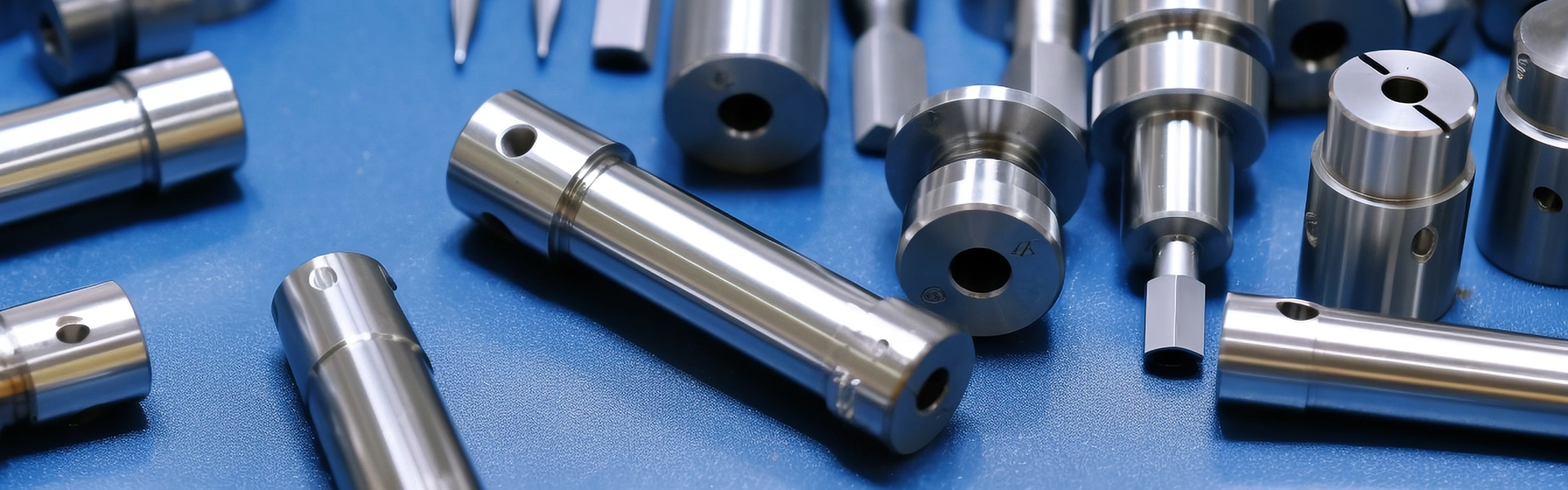
When a bore and shaft are held to a few microns, the old playbook of clearance fits, locating pins, and generous fillets starts to look like a crutch. Suddenly a housing can snap together with no fasteners, relying only on controlled interference and material spring-back. Hinges lose their slop, gears mesh with near-zero backlash, and what used to be an assembly problem becomes a design choice.
Take a handheld instrument: the seam between two shell halves can drop below twenty microns, invisible to the eye yet still able to breathe through thermal swings. In surgical tools, sub-micron straightness lets a flexible shaft transmit torque around tight bends, opening paths that previously demanded a larger incision. These aren't just incremental gains; they invite sketches that would have been rejected a decade ago.
Every Downstroke Becomes a Power Source Instead of a Power Drain
Most mechanical systems treat the downward phase of a cycle as a necessary loss—something to be damped, absorbed, or simply endured. Here, that assumption is flipped. The downstroke no longer siphons energy away from the main task; it actively feeds it back. Every compression, every return motion, every gravity-assisted drop becomes a small generator in its own right.
The key lies in redirecting forces that would otherwise dissipate as heat or vibration. Instead of passive resistance, the mechanism engages a recovery pathway on the way down, storing kinetic energy in a compact buffer. That stored charge is then released exactly when the system needs to lift, reset, or accelerate again—so the hardest part of the cycle gets a silent assist from the easiest part.
In practice, this means the machine doesn't just feel smoother; it operates with measurably lower external input. Wear patterns shift, peak loads drop, and the rhythm of operation changes from fighting gravity to partnering with it. For users, that translates into longer runtimes, less fatigue, and a sense that the tool is doing part of the work for you—because, in a real sense, it is.
Less Noise, Fewer Filters, and a Maintenance Calendar You Can Ignore
Nobody enjoys a machine that constantly begs for attention. The quietest approach to filtration is often overlooked because it doesn't advertise itself with blinking lights or urgent beeps. A well-designed system simply does its job, trapping what needs to be trapped and letting the rest flow through without a fuss. The real trick is choosing a setup that doesn't require you to become a part-time technician.
Filter maintenance is usually presented as a noble ritual, but in practice, most people forget about it until performance drops or a warning light appears. The goal here is to push that moment as far into the future as possible. By selecting filters with longer service intervals and self-cleaning capabilities, you can essentially forget the calendar exists. The system quietly handles its own upkeep, leaving you free to ignore it without consequences.
This philosophy extends beyond the product itself. It's about reclaiming mental space from the endless list of household chores. When a filter can go months without a second thought, it stops being a chore and starts being a background comfort. The best maintenance schedule is the one you never have to remember.
When the Machine Corrects Itself, Scrap Rates Stop Being a Topic
The moment a machine starts catching its own drift, the whole conversation around scrap rates quietly dissolves. Not because anyone forgot to measure, but because there’s nothing left to argue about. A closed-loop correction system doesn’t wait for a batch to fail; it adjusts pressure, temperature, or alignment mid-cycle, shaving off the tiny deviations that used to pile up as unusable parts.
Operators notice the shift in subtler ways. The bin for rejects stays empty long enough that someone eventually asks if it’s broken. Shift reports lose their usual column of red numbers. And the old weekly meeting where everyone picked apart why scrap spiked last Tuesday? It just stops showing up on calendars. When self-correction becomes routine, scrap rates fade from a management obsession into a background metric no one feels the need to discuss.
One Company's Hybrid Obsession Is Quietly Rewriting Shop Floor Norms
In a manufacturing landscape long ruled by standardized workflows and rigid shift patterns, one company has taken a strikingly different path. Its leadership doesn't just tolerate hybrid arrangements on the factory floor—they actively design around them, treating flexibility as a production variable rather than an office perk. The result isn't chaos, but a quiet recalibration of what it means to run a modern shop. Machines still hum, orders still ship, yet the people running them now move between tasks, stations, and even remote planning roles with a fluidity that would have seemed unthinkable a decade ago.
At the heart of this shift is a simple bet: when skilled workers are trusted to shape their own schedules and rotate through different responsibilities, they develop a deeper understanding of the whole operation. A technician who spends part of the week on assembly, part on quality checks, and a few hours on data review from home isn't just filling a gap—they're building cross-functional instincts that no training manual can teach. The company reports fewer bottlenecks and faster problem-solving, not because people are working harder, but because they see more of the system and feel more invested in its outcomes.
Of course, it hasn't been frictionless. Some supervisors initially resisted the blurred lines between on-site and remote, worrying about accountability and consistency. But over time, the old obsession with clocking in and out has given way to a focus on output and adaptability. New norms have emerged organically: teams coordinate coverage through shared digital boards, skills are tagged and updated like inventory, and the phrase "that's not my job" has become a rarity. Quietly, almost inadvertently, this company is proving that the most stubborn norms on the factory floor can bend without breaking—and may even become stronger for it.
FAQ
Instead of relying solely on hydraulic oil, it combines a servo motor drive with a controlled hydraulic system. That means the ram only moves when needed, which cuts idle energy use and keeps the oil cleaner for longer. You get fast approach and return speeds without the constant whine of a pump running at full tilt.
The servo-driven system significantly reduces oil volume and heat buildup. Fewer thermal swings mean more stable ram positioning, and less oil churn means fewer leaks and less contamination on the shop floor. It is a noticeable step toward tidier, lower-maintenance operation.
Because the servo motor controls flow and pressure with higher resolution than a traditional valve. The ram can hold position within a few microns, so bend angles stay repeatable across long production runs without constant manual correction.
Operators spend less time on setup tweaks and cleaning oil residue. The machine responds more predictably, so training is shorter and the work area stays safer. Many also appreciate the reduced noise level compared with older hydraulic brakes.
Sheet metal job shops, electrical enclosure builders, and appliance manufacturers see the biggest gains. Any operation that needs tight angle consistency and wants to reduce its environmental footprint will find the hybrid approach fits well.
Yes, modern hybrid designs are built for high tonnage. The servo pump delivers full pressure when the bending cycle demands it, so thick plate forming is not compromised. You simply get better control at partial loads, which is where older machines often struggle.
Oil changes are far less frequent because the system uses a smaller reservoir and runs cooler. Filters last longer, and there are fewer seals under constant pressure. The main wear items shift to standard mechanical parts, which are easier to inspect and replace.
The initial cost can be higher, but energy savings and lower maintenance often recover that within a few years. When you factor in fewer rejected parts and less downtime, the total cost per bend typically drops below that of a conventional hydraulic press brake.
Conclusion
A quiet transformation is taking place on the shop floor, and it starts with removing the hydraulic tank altogether. By switching to a hybrid servo drive, this press brake maker has eliminated oil leaks, mist, and the grime that used to cling to every bend. The result is a noticeably cleaner work environment, but the gains go deeper. Without hydraulic fluid to compress and heat, the ram responds with far greater consistency, pushing tolerances into territory that once seemed off-limits to sheet metal work. Designers who previously added generous allowances for variation can now tighten their specs and trust the machine to hold them. Perhaps most striking is what happens on every downstroke: energy that used to be wasted as heat is captured and fed back into the system, turning each cycle into a miniature power source instead of a drain on the electrical grid.
The operational side shifts just as dramatically. Noise drops to conversation level, oil filters vanish from the parts list, and the maintenance calendar becomes something you can safely ignore for months at a time. Because the control system monitors force and position in real time, it corrects for material springback and thickness variation on the fly, so scrap rates stop being a weekly talking point. What this company is doing—quietly, without fanfare—is rewriting the norms of precision bending. Competitors still running hydraulic machines are starting to look outdated, while shops that adopt the hybrid approach find they can promise cleaner, faster, and more accurate parts without adding labor or floor space. The shift isn't just about a new machine; it's about a different way of thinking about what a press brake should do.
Contact Us
Contact Person: James Chen
Email: [email protected]
Tel/WhatsApp: 86 13770803946
Website: https://www.hunsone.com/