
Model 207 Dual-Axle Flatbed Trailer Sourcing from China: What to Look for in a Reliable Supplier
2026-06-21
Sourcing heavy-duty equipment like the Model 207 Dual-Axle Flatbed Trailer from China can feel overwhelming—one wrong supplier choice could mean costly delays and quality headaches. But what if you could cut through the noise and spot a truly reliable partner? At Whole Chain Tech, we’ve seen firsthand how the right sourcing approach turns complex procurement into a smooth, profitable venture. In this guide, we’ll walk you through the key factors that separate dependable trailer manufacturers from the rest, so you can make informed decisions with confidence.
Matching Trailer Specs to Real-World Demands
A trailer's published numbers rarely line up with what happens once you hook it up and hit the road. Take payload capacity—manufacturers often measure it with perfectly balanced loads on smooth asphalt. Throw in a steep grade, a crosswind, or a stretch of washboard gravel, and that same rating can start to feel theoretical. Engine torque, braking distance, and cooling efficiency all shift under strain, and only by testing them together can you really gauge whether a setup will hold up. If you're hauling through the Rockies in July, you need to know how the rig breathes under sustained load, not just what the brochure claims.
Suspension design trips up more owners than any other spec. A trailer with a stiff, heavy-duty axle might legally carry five tons, but if you're carting delicate electronics or fresh produce over rutted county roads, every jolt becomes a liability. On the flip side, an air-ride suspension that soaks up road chatter may cost more up front and require fussier upkeep, yet it can dramatically reduce cargo damage on long hauls. The right choice hinges on the roughest stretch of your typical route, not the smoothest.
The only consistent way to match equipment to demands is to prototype your journey before committing. If you can't run a short trial, at least chat with drivers who run similar routes or carry comparable loads. Watch for fatigue points—frames cracking around hitch mounts, wiring that can't handle wet winters, tire sidewalls that give out after a few thousand miles of scrub. Spec sheets won't warn you about these; only time in the saddle will. When a trailer keeps performing without constant repairs, you know the specs and the road have finally agreed.
Cutting Through the Claims: Verifying Factory Credentials
Slick marketing and glossy brochures can make almost any factory look legitimate, but real verification goes deeper than surface claims. The first step in cutting through the noise is to ask for proof of credentials that matter—ISO certifications, third-party audit reports, and evidence of ethical compliance. A factory that’s proud of its track record won’t hesitate to share documentation; hesitation or evasiveness is often the first red flag. Pay attention to the specifics, not just the logos. Does the audit cover the exact facility and product lines you’re considering? Is the certification current and within scope? Manufacturers sometimes display outdated or irrelevant certifications to mislead buyers, so a quick cross-check with the issuing body can save you from costly mistakes.
Direct observation reveals what paperwork often hides. Schedule visits—unannounced if possible—and keep your eyes open for details that tell the real story. Notice the condition of equipment, the flow of work, and how employees interact with management. A well-maintained floor and clear communication channels typically signal solid operations, while disorganization or nervous glances hint at deeper issues. Talk to workers away from supervisors if you can; their unfiltered insights often expose gaps between the factory’s polished image and daily reality. Even virtual inspections can be telling if you ask the right questions and demand to see live, uncut footage rather than a rehearsed tour.
Finally, tap into networks and verify the factory’s history beyond its own narrative. Reach out to past or current clients for candid feedback—not just the references the manufacturer hands you. Industry forums, trade groups, and even social media can surface patterns of missed deadlines, quality disputes, or sudden management changes. Cross-reference shipping records and import data where possible to confirm actual production capacity and export experience. By layering these checks, you build a picture that stands up to scrutiny, turning vague claims into verified facts. In an era where trust is easily manufactured, the diligent buyer knows that genuine credentials are earned, not simply printed on a certificate.
Steel Grades, Welds, and Coatings That Actually Last
The longevity of a steel structure isn't decided by a single factor but by the interplay between the grade, the weld integrity, and the protective coating. High-strength, low-alloy steels often survive where basic carbon grades fail because they offer better atmospheric corrosion resistance and weldability without preheating. But even the best steel won't last if the welds introduce stress risers or hydrogen-induced cracking. That's why fabricators who take the time to match filler metals to the base metal and follow strict heat input controls end up with joints that behave as a single unit rather than weak links.
Welds in outdoor or marine environments are especially vulnerable. It's not enough to simply fuse two pieces; the weld zone can become an electrochemical hotspot if its chemistry differs too much from the parent steel. A common mistake is using a generic welding wire that creates a more anodic filler, causing the weld to sacrifice itself prematurely. The fix often lies in overmatching the filler composition—making the weld slightly more noble so corrosion spreads outward rather than eating through the joint. This nuance, while subtle on paper, can add decades to a structure's life.
Coatings can't rescue poor steel or sloppy welding, but a well-chosen system does more than just block moisture. Epoxy zinc primers, for instance, provide galvanic protection even when scratched, and polysiloxane topcoats resist UV degradation far better than standard polyurethanes. In critical applications, a thorough profile blast before coating isn't optional—it's the difference between a coating that peels in two years and one that still looks fresh after twenty. Ultimately, durability comes from viewing these three elements as inseparable, not as a checklist where corners can be cut on one part to offset another.
The Real Cost of Weak After-Sales Support
When customers reach out for help and are met with silence or half-hearted replies, the immediate sting isn't just their frustration—it's the revenue that quietly slips away. Every ignored query or delayed fix becomes a reason for them to look elsewhere next time, eroding the repeat business that often costs far less to retain than to acquire anew. Referrals, too, dry up when people hesitate to recommend a company that left them stranded after a purchase.
The damage doesn't stop at lost transactions. In an era where a single negative experience can be broadcast to thousands within minutes, weak support fuels a reputation problem that's hard to contain. A pattern of unresolved complaints turns into public reviews and social media threads that linger, shaping how potential buyers perceive your reliability. It's the kind of shadow that follows a brand, often undoing years of marketing effort with a few stark stories of neglect.
Over time, the bill comes due in harder-to-reverse ways—shrinking market share and a team constantly firefighting rather than building. Employees burn out handling the same preventable escalations, and innovation stalls as resources are rerouted to damage control. The true cost isn't a line item on a spreadsheet; it's the slow fade of customer trust and the opportunities that vanish before you even know they existed.
Navigating Shipping, Customs, and Hidden Logistics Costs
Freight quotes rarely tell the whole story. You might lock in a competitive per-container rate, only to get blindsided by port congestion surcharges, fuel adjustments, or a last-minute peak season fee. Carriers and forwarders often bake these extras into the final invoice, so it's smart to ask for an all-inclusive breakdown upfront—right down to terminal handling and documentation charges.
Customs clearance is another beast entirely. Tariff codes can change, and if your paperwork isn't airtight, you're looking at storage fees that accrue daily. A common headache: misclassifying goods triggers audits or duty overpayments that eat into margins. Lean on a licensed customs broker who knows your product category, and consider duty drawback programs if you're re-exporting. It's not glamorous, but that upfront legwork stops a trickle of unexpected costs from becoming a flood.
Then there are the less obvious drains on your budget. Detention and demurrage fees punish delays in returning containers or clearing cargo, and they stack up faster than most assume. Even routing choices matter—favoring a port that's slightly cheaper on paper can backfire if inland trucking or cross-docking fees erase the savings. Lay out every touchpoint from factory floor to final mile; the real expense is rarely the ocean freight line item, but the quiet surcharges woven around it.
Smart Payments, Fair Prices, and Avoiding Common Rip-Offs
Ever felt that sting when you realize you've paid far more than something was worth? It happens to all of us, from overpriced tourist traps to sneaky subscription fees. The difference between a savvy spender and a target often comes down to knowing a few simple tricks that businesses would rather you didn't think about.
Being smart about payments starts with tuning into the real value of things. Before tapping your card or hitting 'buy now,' take a moment to compare. Is that 'limited-time offer' truly limited, or does it pop up every month? Quick price checks on your phone, asking for a breakdown of fees, and simply being willing to walk away can instantly shift the power back to you. In many places, haggling isn't just accepted—it's expected, and a smile can knock a surprising amount off the initial ask.
Then there are the more modern rip-offs: dynamic pricing that spikes when demand is high, hidden online charges that appear only at checkout, and 'free trials' that quietly convert into expensive monthly bills. Build a habit of checking how refund policies actually work—many are designed to wear you out before you get your money back. And if a deal seems too good to be true, it probably is, especially when it pressures you to act right now. A fair price isn't the lowest one; it's the one where both sides leave the table feeling okay about the exchange.
FAQ
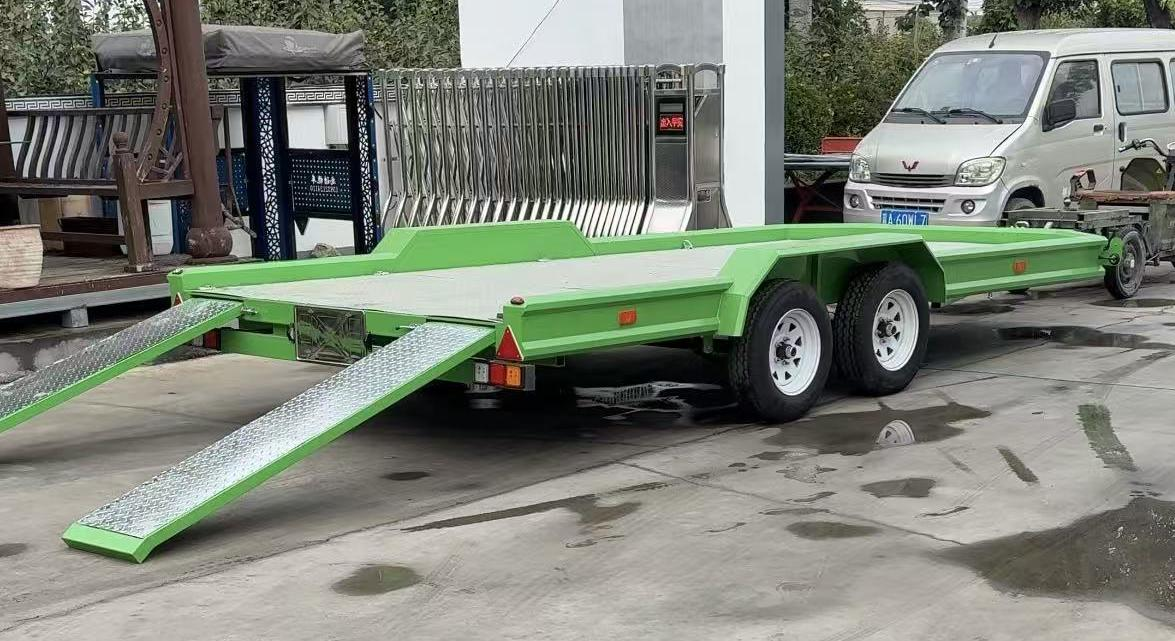
Request a video call tour of their production line while it's running—look for welding stations, jigs specific to dual-axle flatbeds, and the Model 207 frame in various build stages. A genuine maker won't hesitate to show you the shop floor live.
Check if the steel beams have consistent thickness and clean, even welds without spatter. Ask for close-ups of the I-beam flanges; quality suppliers use mill-certified Q345 steel and can provide heat numbers that trace back to the mill.
Break down the quote: does it include the fifth wheel plate, landing gear, and wiring harness? Some factories strip standard parts to show a low base price, then charge extra for essentials. Also clarify if the axles are Chinese brands like Fuwa or imported BPW—this drastically affects the landed cost.
Pin them down on spare parts availability: will they stock critical components like leaf springs and brake chambers in a nearby warehouse, or ship them within 48 hours? Ask for contacts of past clients in your region and call them to discuss how warranty claims were handled.
Insist on shot blasting to Sa 2.5 standard before priming, then a two-pack epoxy primer and polyurethane topcoat. Don't accept just 'powder coating' as an answer—ask for the DFT gauge readings and salt spray test hours (at least 500 for harsh use).
Look at the leaf spring eye bushings: quality suppliers use rubber-bushed, greasable pins with threaded ends, not simple pins hammered in. Check the equalizer beam thickness—cheap ones flex and crack. Request a weighbridge ticket to see if the tare weight aligns with claimed specs; underweight trailers often mean thinner material.
They should readily provide the trailer's design calculations for the axle load distribution, welding procedure specifications (WPS), and third-party inspection reports from agencies like SGS or Bureau Veritas. Any hesitation means they might not have engineering backbone.
Yes, unless the supplier has a track record of localizing the Model 207 for your regulations. Ask if they've previously obtained VIN assignment and compliance certificates for your market. If not, factor in engineering costs and possible modifications like lighting or brake system tweaks.
Conclusion
Securing a reliable Model 207 dual-axle flatbed trailer from China demands more than a spec sheet. Smart buyers prioritize real-world payload needs over generic ratings, verifying that axle and frame configurations match local road conditions and frequent cargo weights. A trailer that shines in a brochure can fail on a construction site if the steel grade, weld consistency, and anti-corrosion coatings aren't independently checked. It’s the unglamorous details—like the thickness of the zinc layer or the sourcing of the steel itself—that separate a trailer that lasts a decade from one that rusts through in two seasons.
Equally critical is vetting the factory behind the quote. Trade licenses, export history, and on-site audits expose traders posing as manufacturers. Transparency here often mirrors the after-sales backbone: a supplier with a hollow warranty will vanish when you need axle spare parts or technical support. Beyond the unit price, thorough contract terms clarify tiered payment schedules and spell out risk transfer points, keeping hidden freight, port surcharges, and customs clearance fees from inflating the final landed cost. A trustworthy partner facilitates clear communication, helping you dodge common pitfalls and keep the entire procurement cycle predictable rather than a costly gamble.
Contact Us
Contact Person: Ethan
Email: [email protected]
Tel/WhatsApp: +86 13963964935
Website: https://www.wholechaintech.com/