
OEM RCBO Manufacturer: A Guide to Custom Electrical Protection Solutions
2025-12-27
In the rapidly evolving world of electrical safety, custom solutions are no longer a luxury—they're a necessity. OEM RCBOs (Residual Current Circuit Breakers with Overcurrent Protection) play a critical role in safeguarding modern electrical systems, yet finding a manufacturer that can deliver tailored, high-performance components can be a challenge. This guide delves into the intricacies of custom electrical protection, offering insights into how innovative design and precision engineering can meet unique application demands. At SINGI, we specialize in transforming standard safety measures into bespoke solutions that not only comply with regulations but also enhance operational efficiency. Whether you're an engineer designing cutting-edge equipment or a procurement specialist sourcing reliable components, this blog will explore the key considerations, trends, and benefits of partnering with a dedicated OEM RCBO manufacturer. Get ready to discover how customized protection can elevate your projects and ensure long-term reliability in an ever-connected world.
Understanding OEM RCBO Solutions for Custom Electrical Safety
When it comes to tailoring electrical safety measures for specific applications, OEM RCBO (Residual Current Circuit Breaker with Overcurrent protection) solutions offer a versatile approach that goes beyond standard off-the-shelf options. These devices combine earth leakage detection and overcurrent protection into a single unit, making them ideal for custom setups where space or integration requirements are tight. By working with an OEM provider, businesses can access RCBOs designed to match unique voltage ratings, trip sensitivities, or enclosure types, ensuring precise alignment with project demands and local electrical codes. This customization not only enhances safety by targeting specific risk factors but also optimizes system performance and reduces the likelihood of nuisance tripping in specialized environments.
Diving deeper, the process of implementing OEM RCBO solutions involves close collaboration between manufacturers and clients to address niche challenges that generic products might overlook. For instance, in industries like renewable energy or industrial automation, electrical systems often face variable loads or harsh conditions that demand resilient protection. Custom RCBOs can be engineered with features such as adjustable trip delays, enhanced insulation for high-humidity areas, or compatibility with smart monitoring systems. This adaptability allows for proactive risk management, as the RCBOs act not just as circuit breakers but as integral components of a broader safety strategy, tailored to mitigate hazards like arc faults or equipment failures before they escalate.
Ultimately, leveraging OEM RCBO solutions empowers organizations to move beyond one-size-fits-all safety measures, fostering a culture of innovation and reliability in electrical design. By investing in custom-built devices, companies can achieve a higher degree of control over their safety protocols, ensuring compliance with evolving regulations while potentially reducing long-term maintenance costs. Whether it's for a specialized medical facility, a remote agricultural installation, or a complex data center, these bespoke solutions provide peace of mind that the electrical protection is as unique and robust as the application itself, driving efficiency and safety in tandem.
Key Steps in Designing Your Own RCBO with Manufacturers
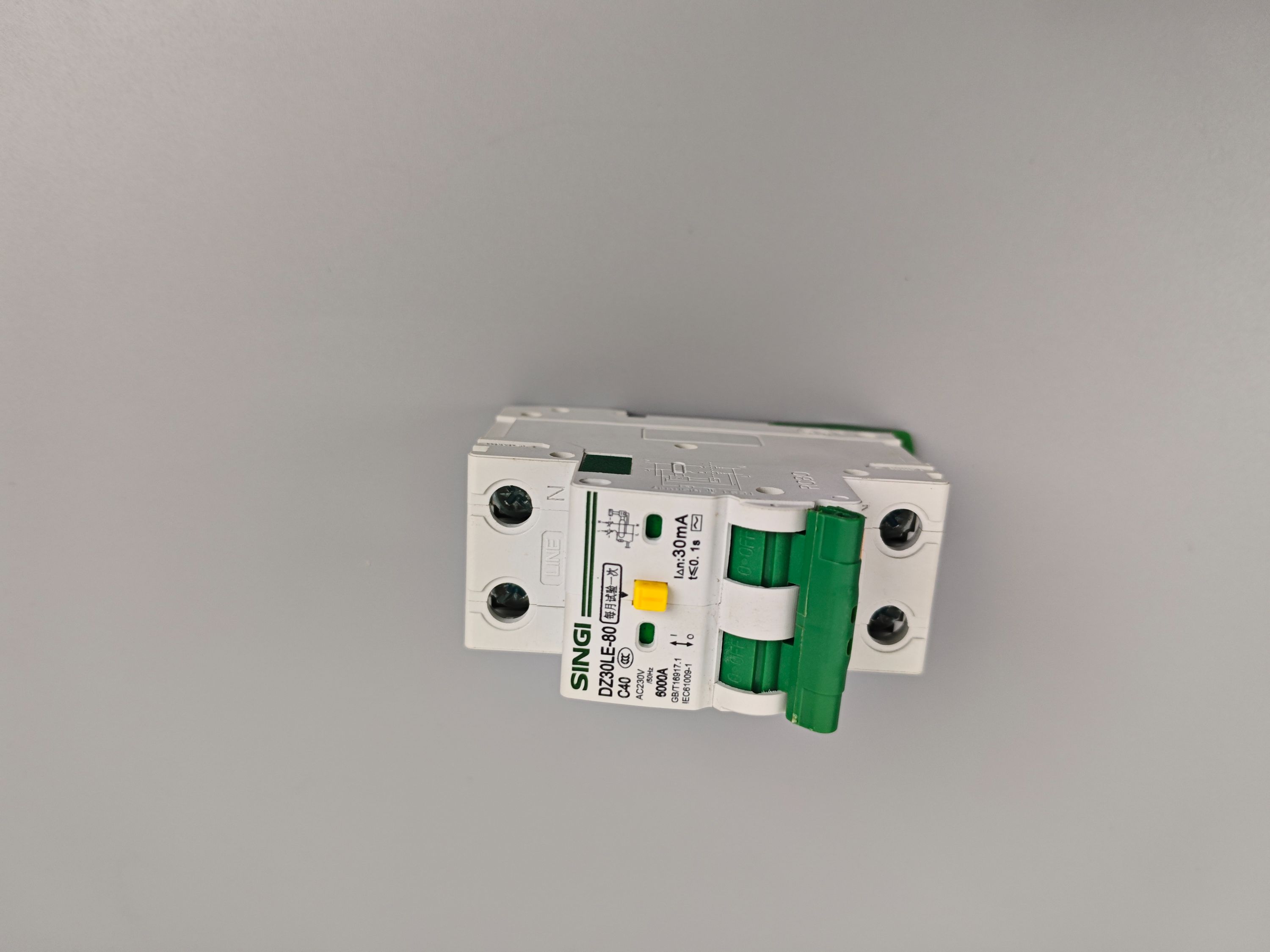
Collaborating with manufacturers to design a custom RCBO isn't just about ordering parts—it's a strategic partnership. Start by clearly defining your specific electrical protection needs: consider the intended application environment, such as residential, commercial, or industrial settings, and identify any unique fault currents or load requirements. This initial clarity helps manufacturers propose tailored solutions rather than generic options.
Next, engage in detailed technical discussions with potential partners to assess their capabilities in material selection, precision engineering, and testing protocols. For instance, explore whether they offer advanced features like adjustable sensitivity or integrated surge protection. A good manufacturer will guide you through prototyping, ensuring the design meets safety standards like IEC 61009 before moving to production.
Finally, focus on scalability and quality control. Establish clear communication channels for feedback during pilot runs, and negotiate terms that allow for future modifications based on performance data. This approach not only yields a reliable product but also builds a lasting relationship for ongoing innovation in electrical safety.
Benefits of Tailored RCBOs for Industrial Applications
Customized RCBOs offer precise protection in industrial settings, adapting to unique electrical demands. They minimize downtime by targeting specific fault conditions, enhancing overall system reliability and safety.
Tailored designs allow for better integration with existing machinery, reducing compatibility issues and simplifying maintenance. This flexibility leads to improved operational efficiency and cost savings over time.
By addressing specific industrial challenges, these RCBOs help prevent electrical hazards and ensure compliance with safety standards, providing a robust solution for demanding environments.
How OEM Partnerships Enhance Electrical Protection Systems
Collaborating with Original Equipment Manufacturer (OEM) partners injects a fresh perspective into electrical protection systems, moving beyond standard solutions. These alliances bring together specialized engineers who innovate with custom components like advanced circuit breakers and smart relays, tailored to unique operational demands. For example, in industrial settings, joint ventures have led to systems that preemptively detect faults through real-time monitoring, reducing downtime unexpectedly.
OEM partnerships also accelerate technological integration, enabling quicker adoption of emerging trends such as AI-driven diagnostics or IoT connectivity. By pooling resources, partners co-develop prototypes that streamline maintenance through predictive analytics, often resulting in safer, more resilient setups. A notable instance is how such collaborations have refined surge protection in renewable energy grids, blending expertise to handle variable loads with precision.
Beyond product development, these relationships foster continuous improvement through shared feedback loops and testing. This synergy ensures electrical protection evolves dynamically, adapting to new challenges without relying on generic approaches. Ultimately, investing in OEM collaborations not only boosts system reliability but also sparks innovations that might otherwise go unnoticed in solo efforts.
Innovations in Custom RCBO Technology and Features
A standout advancement in custom RCBO technology is the integration of adaptive load monitoring, which adjusts sensitivity based on real-time electrical usage patterns. This feature allows RCBOs to provide tailored protection by fine-tuning trip thresholds for specific equipment, reducing nuisance tripping in industrial settings. Additionally, the use of modular components enables quick customization for diverse voltage levels and fault types, enhancing flexibility without compromising safety.
Recent innovations also focus on user-centric features like remote diagnostics and smart connectivity, allowing maintenance teams to monitor RCBO performance through mobile apps or web interfaces. This shift towards digital integration helps predict potential failures before they occur, improving system reliability and reducing downtime. By incorporating energy-efficient designs and advanced materials, these RCBOs also contribute to overall power savings in commercial installations.
In terms of construction, custom RCBOs now feature enhanced arc-fault detection mechanisms that differentiate between harmless transient arcs and dangerous faults, offering more precise protection. Compact designs with higher breaking capacities have emerged, enabling installation in space-constrained environments while maintaining robust performance. This evolution reflects a broader trend towards personalization in electrical safety, where RCBOs are tailored to meet specific operational demands across various industries.
Navigating Compliance and Standards in OEM Electrical Solutions
In the competitive landscape of OEM electrical solutions, adhering to compliance and standards isn't just a regulatory hurdle—it's a strategic advantage that ensures product safety, interoperability, and market acceptance. Manufacturers must constantly evolve with regulations like UL, IEC, and ISO, which vary globally, often requiring tailored approaches for different regions. Successfully navigating this complex terrain involves proactive engagement with industry bodies and early integration of compliance measures into design phases, reducing costly rework and delays.
What sets top-tier OEMs apart is their ability to weave compliance seamlessly into innovation, turning standards into guidelines for higher quality rather than mere checkboxes. By leveraging advanced testing protocols and real-time monitoring systems, companies can anticipate shifts in regulatory landscapes, staying ahead of changes rather than reacting to them. This proactive stance not only mitigates risks but also enhances brand reputation, as customers increasingly prioritize reliable, certified solutions over cheaper, non-compliant alternatives.
Ultimately, mastering compliance in electrical solutions means moving beyond basic adherence to foster a culture of continuous improvement. It's about integrating lessons from past projects, collaborating with experts, and utilizing digital tools to streamline documentation and audits. In doing so, OEMs can deliver solutions that not only meet current standards but are also adaptable to future innovations, ensuring long-term competitiveness in a dynamic market.
FAQ
An OEM RCBO is a custom-designed Residual Current Circuit Breaker with Overcurrent Protection, tailored to meet specific client requirements, unlike standard off-the-shelf models that may not fit unique applications.
Companies opt for OEM RCBOs to address particular electrical safety needs, ensuring compatibility with their systems, enhancing brand identity with custom branding, and potentially reducing costs through optimized designs.
Key factors include current rating, sensitivity to residual currents, environmental conditions like temperature, durability requirements, compliance with safety standards, and integration with existing electrical infrastructure.
Custom RCBOs can be engineered with enhanced features such as higher sensitivity for sensitive equipment or robust enclosures for harsh environments, directly targeting risks in industries like manufacturing or healthcare.
The process typically involves consultation to define specifications, prototyping and testing for safety and performance, production with quality control, and final delivery with support for integration.
They adhere to standards like IEC 61009 or UL 489 by conducting rigorous testing, obtaining certifications, and staying updated on regulatory changes to guarantee product reliability and legal compliance.
Conclusion
Navigating the realm of OEM RCBO manufacturing offers a strategic pathway for businesses seeking bespoke electrical protection solutions tailored to specific operational needs. Understanding OEM RCBO solutions is pivotal for custom electrical safety, as it allows companies to integrate advanced features like residual current detection and circuit breaking in a single device, optimized for unique environments. This guide highlights how OEM partnerships enhance electrical protection systems by facilitating collaboration with manufacturers who provide expertise in designing your own RCBO. Key steps in this process include thorough requirements analysis, prototyping, and rigorous testing, ensuring that tailored RCBOs align precisely with industrial applications. Innovations in custom RCBO technology, such as smart sensors and IoT connectivity, further bolster these benefits, enabling real-time monitoring and predictive maintenance. Ultimately, this approach not only improves safety and efficiency but also supports navigating compliance and standards, making customized solutions a cornerstone of modern electrical infrastructure.
The advantages of tailored RCBOs extend beyond basic functionality, offering significant benefits for industrial applications by reducing downtime and enhancing system reliability. By engaging with OEM manufacturers, companies can leverage cutting-edge innovations in custom RCBO technology and features, such as adjustable sensitivity and robust enclosures for harsh conditions. This collaboration ensures that electrical protection systems are not only compliant with stringent standards but also future-proof against evolving technological demands. As industries increasingly prioritize safety and customization, this guide underscores the value of OEM solutions in creating resilient, efficient, and adaptable electrical networks that stand out in competitive markets.
Contact Us
Contact Person: Jack
Email: [email protected]
Tel/WhatsApp: (+86) 13757759651
Website: https://www.singi.com