Optimizing Full Servo Adult Diaper Machines for Enhanced Performance
2026-03-19
In the competitive landscape of adult diaper manufacturing, efficiency and precision are paramount. At Womeng, we understand that every second and every movement counts in delivering high-quality products consistently. This blog delves into the art and science of optimizing full servo adult diaper machines, exploring innovative strategies to boost performance, reduce downtime, and enhance overall productivity. Whether you're a seasoned engineer or a newcomer to the industry, you'll discover practical insights and cutting-edge techniques to elevate your operations. Join us as we unravel the secrets to achieving peak machine efficiency and transforming your production floor into a model of reliability and excellence.
Maximizing Precision Through Advanced Servo Control Systems
When it comes to pushing the boundaries of accuracy in motion control, advanced servo systems stand out by integrating cutting-edge feedback mechanisms and sophisticated algorithms. These systems go beyond basic position control to manage velocity, torque, and even environmental factors in real-time, ensuring micro-level adjustments that are crucial for high-stakes applications like semiconductor manufacturing or medical robotics. By leveraging technologies such as high-resolution encoders and adaptive tuning, they reduce errors to near-zero, allowing for consistently precise operations even under varying loads or conditions.
What sets these systems apart is their ability to learn and adapt dynamically over time. Through machine learning integration and predictive analytics, they can anticipate mechanical wear or thermal drift, proactively compensating for potential inaccuracies before they impact performance. This self-optimizing capability not only enhances precision but also extends equipment lifespan, making them a smarter investment compared to traditional servos that rely on static calibration. Industries from aerospace to automotive are adopting these intelligent systems to achieve tighter tolerances and reduce waste in production processes.
Moreover, the synergy between hardware advancements and software innovations in servo control has unlocked new possibilities for multi-axis coordination. By synchronizing multiple servos with nanosecond precision, complex tasks like 3D printing intricate components or assembling delicate electronics become more reliable and efficient. This holistic approach ensures that every movement is finely tuned, turning theoretical precision into practical, repeatable results that drive innovation and competitive advantage in today's fast-paced technological landscape.
Enhancing Durability with Robust Machine Frame Reinforcements
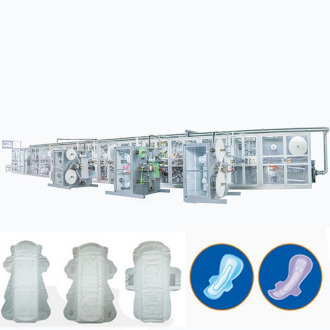
When it comes to boosting durability in machinery, robust frame reinforcements play a crucial role that goes beyond basic structural support. Unlike standard frames, these enhancements are engineered to withstand extreme operational stresses—think heavy loads, constant vibrations, or harsh environmental conditions. By integrating high-strength materials like reinforced steel or composite alloys, manufacturers can significantly extend the lifespan of equipment, reducing wear and tear in critical areas and minimizing costly downtime for repairs.
What sets these reinforcements apart is their strategic placement and design. Instead of a one-size-fits-all approach, they're customized to target specific weak points, such as joints or stress-concentration zones, where failures are most likely to occur. This involves advanced techniques like finite element analysis (FEA) to predict load distribution and optimize reinforcement patterns. As a result, machines not only become more resilient against sudden impacts or fatigue but also maintain performance consistency, even under prolonged use in demanding industries like construction or manufacturing.
The real-world impact is clear: enhanced durability translates to tangible benefits, from lower maintenance costs to improved safety and operational efficiency. For instance, in automated production lines, robust frame reinforcements ensure precision alignment over time, preventing deviations that could affect output quality. By investing in these upgrades, operators can future-proof their machinery, adapting it for evolving tasks without sacrificing reliability—a smart move for any operation looking to stay competitive and sustainable.
Boosting Output via Streamlined Continuous Operation Protocols
In today's fast-paced industrial landscape, achieving peak output isn't just about running machines harder—it's about smarter, more seamless operations. Streamlined continuous operation protocols act as a backbone, integrating workflows to minimize downtime and maximize throughput. By standardizing processes and fostering collaboration across departments, these protocols help eliminate bottlenecks that traditionally slow production, ensuring a steady flow from start to finish. This approach empowers teams to focus on innovation rather than firefighting, turning potential disruptions into opportunities for consistent improvement.
What sets these protocols apart is their adaptability and focus on real-world applicability. Instead of rigid frameworks, they incorporate feedback loops and data-driven adjustments to stay responsive to changing demands. This dynamic nature prevents stagnation, allowing facilities to not only meet targets but exceed them with less effort over time. By embedding continuous monitoring and quick-response mechanisms, protocols transform operations into a proactive cycle of enhancement, where every shift builds on the last for sustained growth.
Implementing such streamlined protocols goes beyond theory; it cultivates a culture where efficiency becomes second nature. Through clear communication and shared goals, teams adopt a mindset of perpetual optimization, driving output in ways that rigid systems can't match. This human-centric approach ensures protocols are lived, not just documented, leading to tangible gains in productivity and a competitive edge that's hard to replicate.
Reducing Downtime Through Predictive Maintenance Innovations
In today's fast-paced industrial landscape, reducing downtime is critical for maintaining operational efficiency and minimizing financial losses. Predictive maintenance innovations leverage advanced technologies such as IoT sensors and machine learning algorithms to monitor equipment health in real-time, enabling early detection of potential failures. This proactive approach allows organizations to schedule maintenance activities before breakdowns occur, significantly cutting unplanned stoppages and enhancing overall productivity.
By integrating predictive analytics, businesses can transform raw data into actionable insights, moving beyond traditional reactive or preventive methods. For instance, vibration analysis and thermal imaging can identify subtle anomalies that might otherwise go unnoticed, empowering teams to address issues before they escalate. This not only extends the lifespan of machinery but also fosters a culture of continuous improvement, where data-driven decisions drive smarter resource allocation and reduce maintenance costs over time.
Moreover, these innovations are reshaping maintenance strategies by enabling remote monitoring and condition-based alerts, which streamline operations and boost safety. By embracing such tools, companies can stay ahead of the curve, ensuring smoother workflows and a stronger competitive edge in increasingly demanding markets.
Improving Hygiene Standards Using Integrated Sanitization Features
In today's fast-paced environments, from healthcare facilities to public transport, the demand for elevated cleanliness has never been more critical. Integrated sanitization features offer a proactive approach by embedding disinfection mechanisms directly into daily operations, reducing reliance on manual cleaning. For instance, surfaces with built-in antimicrobial coatings or automated UV-C light systems in ventilation ducts ensure continuous protection without interrupting services. This seamless integration not only enhances safety but also streamlines maintenance, allowing organizations to meet rigorous hygiene standards with minimal disruption.
By leveraging smart technology, these features adapt in real-time to usage patterns and contamination risks. Imagine touchless dispensers that release sanitizing agents based on sensor data or air purifiers that adjust filtration levels according to occupancy. Such innovations go beyond basic cleaning, providing a dynamic shield against pathogens while conserving resources. The result is a more resilient infrastructure that fosters trust among users, whether in schools, offices, or retail spaces, making hygiene an inherent part of the experience rather than an afterthought.
Ultimately, integrating sanitization into core systems represents a shift toward sustainable, long-term health solutions. It moves away from reactive measures, like periodic deep cleans, to a continuous, data-driven model. This not only reduces environmental impact by optimizing chemical and energy use but also supports cost-effectiveness through fewer intervention needs. As communities prioritize well-being, these features become key differentiators, setting new benchmarks for cleanliness that are both effective and unobtrusive in everyday settings.
Increasing Flexibility for Customized Diaper Production Variations
In today's competitive diaper market, manufacturers often feel constrained by rigid production lines that limit their ability to respond swiftly to evolving consumer needs. By integrating modular equipment and smart manufacturing processes, companies can now adjust product designs almost on the fly—whether it's tweaking the shape for better fit, altering absorbency layers for specific age groups, or incorporating eco-friendly materials as demand rises. This shift not only reduces downtime but also empowers brands to experiment with niche offerings, from ultra-premium organic options to specialized medical-grade products, all without overhauling entire factories.
Customization goes beyond mere material swaps; it involves real-time data analytics that track regional trends and customer feedback. For instance, a diaper producer might notice a surge in requests for overnight protection in colder climates and instantly recalibrate machines to add extra padding in targeted zones. With cloud-connected systems, these adjustments can be rolled out across multiple facilities simultaneously, ensuring consistency while maintaining local relevance. This agility transforms production from a batch-oriented task into a dynamic, responsive workflow where every diaper can be tailored to meet precise specifications, enhancing both consumer satisfaction and operational efficiency.
Moreover, embracing such flexibility fosters innovation in unexpected ways. Small-batch runs become economically viable, allowing for limited-edition collaborations with pediatricians or sustainable material trials that were previously deemed too costly. By decentralizing decision-making through automated controls, teams on the ground can implement minor tweaks—like adjusting fastener placement for easier diaper changes—without waiting for corporate approvals. This hands-on approach not only accelerates time-to-market but also builds a culture of continuous improvement, where each customization teaches valuable lessons for future product developments.
FAQ
Full servo technology uses independent motors for each axis, enabling precise synchronization and faster response times. This reduces material waste, improves product consistency, and allows for quicker changeovers between different diaper sizes or styles, ultimately boosting production efficiency by up to 20%.
Common challenges include maintaining alignment across multiple servo axes and minimizing downtime during maintenance. Solutions involve implementing advanced diagnostics software for real-time monitoring, using high-quality components to reduce wear, and training operators on proactive maintenance routines to prevent unexpected breakdowns.
Automation plays a critical role by integrating sensors and control systems to monitor production parameters like tension, speed, and temperature. This allows for automatic adjustments to optimize output quality, reduces manual intervention, and lowers labor costs while ensuring a more reliable manufacturing process.
Full servo machines offer greater flexibility and precision compared to traditional mechanical systems. They enable smoother operation with less vibration, higher production speeds, and better energy efficiency. Additionally, they support complex designs and customizations more easily, making them ideal for varied product lines.
Quality is maintained by implementing closed-loop feedback systems that continuously monitor and adjust the production process. Regular calibration of servos and sensors, along with strict adherence to standardized operating procedures, helps achieve consistent diaper dimensions, absorbency levels, and overall reliability.
Key factors include the initial investment cost, compatibility with existing equipment, and the expected return on investment through increased productivity. It's also important to evaluate the technical support available, the ease of integrating new software, and the training needs for staff to operate the upgraded system effectively.
Real-time data analytics allow operators to track machine performance metrics, such as cycle times and error rates, enabling predictive maintenance and quick troubleshooting. This minimizes downtime, optimizes resource usage, and supports data-driven decisions to further enhance operational efficiency and product quality.
Conclusion
Optimizing full servo adult diaper machines for enhanced performance involves a comprehensive approach that integrates advanced technological solutions across multiple operational facets. Maximizing precision through sophisticated servo control systems ensures accurate material placement and consistent product quality, while robust machine frame reinforcements significantly enhance durability under continuous high-speed operation. This dual focus on precision and durability forms the foundation for reliable production, enabling manufacturers to maintain tight tolerances and reduce mechanical wear over extended periods. Additionally, streamlined continuous operation protocols boost output by minimizing transition times between production cycles, allowing for seamless material feed and faster changeovers that adapt to varying product specifications.
Further optimization is achieved by reducing downtime through predictive maintenance innovations, which leverage data analytics to anticipate component failures before they disrupt operations. This proactive approach is complemented by integrated sanitization features that improve hygiene standards, ensuring compliance with stringent health regulations and preventing contamination risks. Increasing flexibility for customized diaper production variations allows manufacturers to efficiently switch between different sizes, absorbency levels, and designs, meeting diverse market demands without compromising efficiency. Together, these strategies create a cohesive optimization framework that not only elevates machine performance but also enhances overall production efficiency, product quality, and operational adaptability in the competitive adult diaper manufacturing sector.
Contact Us
Contact Person: Jessie Lai
Email: [email protected]
Tel/WhatsApp: 86-188594442931
Website: https://www.wm-machinery.com