
Plastic Protective Case Exporter: Key Factors for Reliable Global Supply
2026-10-31
Finding a plastic protective case exporter that can actually keep your supply chain moving isn't about flashy promises—it's about the unglamorous details: injection molding tolerances, material sourcing, and on-time shipping from a partner who treats your deadlines like their own. WEISHUO has spent years turning those details into a repeatable system. But what separates a vendor who merely ships cases from one who protects your entire production schedule? That question deserves more than a generic checklist.
How We Keep Wall Thickness Consistent Across Production Runs
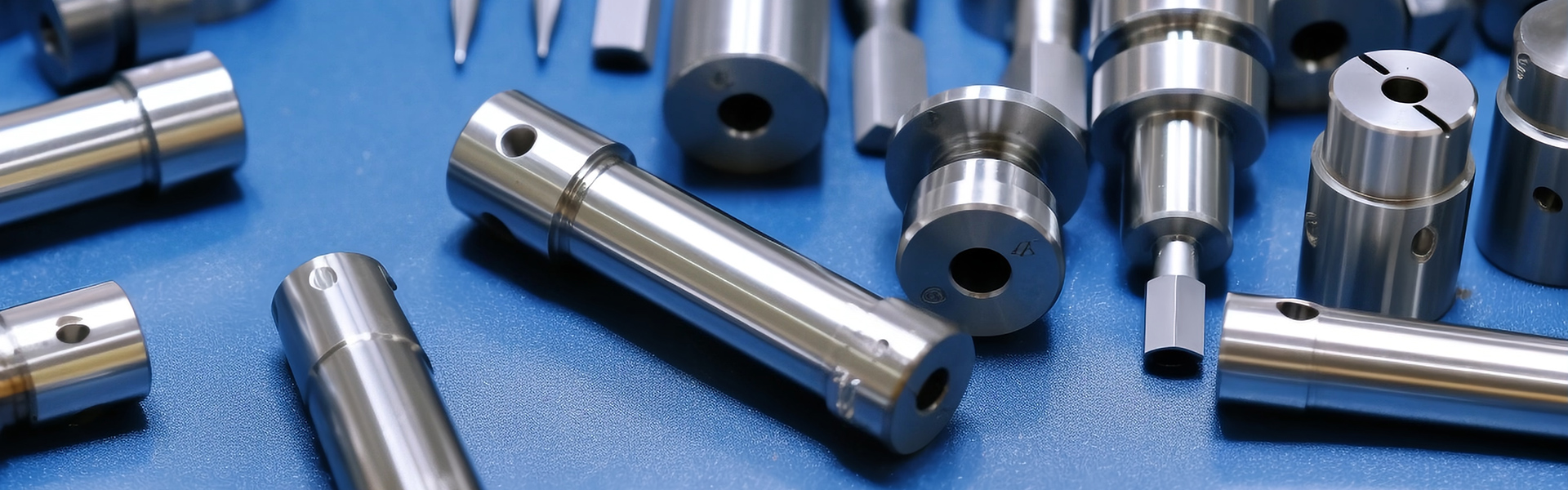
Wall thickness drift rarely shows up as a sudden failure. It starts with small shifts: a worn gate, a barrel temperature swing, or a resin lot that flows a little differently. Our operators track melt pressure and fill time for every cavity on each shift. If those numbers move outside a tight band, we stop and inspect the tool before the next run begins. That catches most drift before it ever reaches a finished part.
Mold maintenance follows the production count, not a fixed calendar. After each run, we measure core and cavity surfaces at the exact points where wall thickness is called out on the drawing. Using the same reference fixtures every time lets us spot localized wear before it changes the flow path. Any pin or insert that shows even slight movement gets reworked or replaced immediately, so the next run starts from the same geometry as the last one.
Material consistency gets the same attention. We qualify every resin lot with a small-scale trial that records shrinkage and viscosity under our standard conditions. Then we adjust hold pressure and cooling time to match that lot’s behavior. This keeps wall thickness from creeping thicker or thinner when the supplier changes polymerization conditions, even if the datasheet claims the grade is unchanged.
Why Double-Wall Cartons Are Standard for Ocean Freight
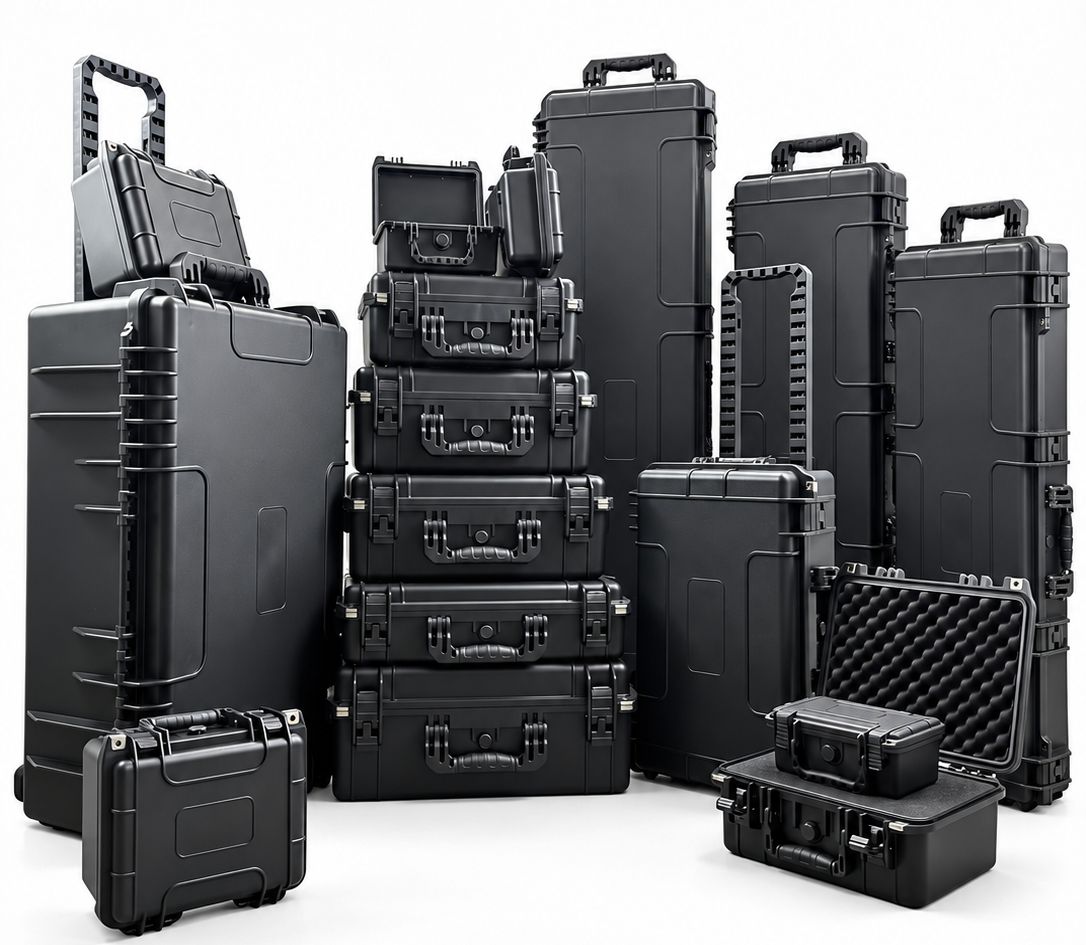
Ocean freight puts packaging through a grind that land transport rarely matches. Containers stack high, humidity shifts constantly, and rough handling at ports is the norm rather than the exception. Single-wall cartons, although cheaper upfront, often buckle under vertical compression or soften when moisture creeps into the corrugated layers. Double-wall construction adds a second fluted medium and an extra liner, which dramatically increases stacking strength and puncture resistance. This extra layer is not just about surviving the trip; it is about arriving with products intact and avoiding chargebacks from damaged goods claims.
The real reason double-wall cartons dominate ocean freight is not simply strength—it is predictability. A container traveling from Shenzhen to Rotterdam might pass through four different climate zones. Temperature swings cause condensation inside the box, and a single-wall carton can lose up to half its compression strength when relative humidity climbs above 80%. Double-wall cartons hold their shape far better under these conditions, reducing the risk of crushed corners or split seams. Forwarders and buyers have learned the hard way that saving a few cents on carton stock often leads to repacking costs, product loss, and strained supplier relationships.
There is also a practical benefit: double-wall cartons allow for more efficient palletization. Because they maintain rigidity under load, shippers can stack units higher without adding excessive void fill or wooden crates. This means better cube utilization in the container, which directly lowers per-unit freight cost. While no carton is indestructible, the double-wall standard has become the baseline for exporters who want a single packaging solution that handles the unpredictable nature of ocean transit without constant redesign or last-minute reinforcement.
The Truth About Tooling Lead Times for Custom Cases
Most quotes for custom case tooling promise a clean four-to-six-week window, but that number often only covers the cutting of the mold itself. It rarely accounts for the back-and-forth on CAD drawings, material shrinkage adjustments, or the first sample round that almost always reveals a fit issue. If you're planning a launch date, add at least two weeks on either side of whatever your supplier tells you—not because they're dishonest, but because the process has hidden waiting periods no one likes to mention up front.
A common mistake is treating tooling lead time as a single, fixed block. In reality, it's a sequence of small handoffs: design freeze, steel procurement, CNC programming, rough cutting, EDM finishing, polishing, and trial shots. Each step can stall for reasons that have nothing to do with your project—machine availability, a backlog of higher-volume jobs, or a key operator out sick. The truth is, the quoted lead time is more of an optimistic benchmark than a contractual promise, and the best hedge is to ask for a week-by-week schedule before you place the order.
Another reality check: the tooling itself may be done on time, but the approval process can eat up more days than the cutting. You'll need to review and sign off on pre-production samples, possibly request tweaks to texture or latch fit, and then wait for those changes to be machined and re-tested. If you're serious about avoiding delays, don't leave sample approval to a team that only checks email once a day. Make one person responsible for that feedback loop, and you'll likely save more time than any expedited machining fee could buy.
What Buyers Overlook in RoHS and REACH Documentation
Most buyers check for a certificate and move on, but that's where the real risk hides. They miss the substance-level details buried in the annexes—like specific exemptions that expire on a fixed date or concentration thresholds for a particular alloy. A document can look complete while actually leaving out the exact CAS numbers or fail to state which article category applies, and that ambiguity comes back during customs clearance or an audit.
Another common gap is the mismatch between the bill of materials and the compliance statement. Suppliers sometimes list the parent material as compliant, but the surface coating, gasket, or internal solder joint falls outside the declared scope. Buyers seldom ask for sub-component breakdowns or raw material test reports, so a non-compliant fastener or plating slips through unnoticed until a downstream inspection catches it.
Timing also gets overlooked. REACH obligations change as substances get added to the Candidate List, and a registration valid six months ago may not cover today's SVHC count. Buyers rarely check the issue date against the latest regulatory updates, and they don't confirm whether the document covers all parts delivered over the contract period—leaving them exposed to recalls or fines they could have avoided with a simple version check.
Building a Safety Stock That Doesn't Tie Up Too Much Cash
A smarter approach starts with treating safety stock as a range rather than a fixed number. Instead of locking up cash in one oversized buffer, split inventory into a core safety tier and a smaller, fast-moving buffer that gets replenished more often. This lets you cover most demand spikes with the core tier while the second tier handles short-term variability, reducing the total cash tied up without raising stockout risk.
Another overlooked lever is tightening the reorder cycle. If you reorder every four weeks, you're implicitly financing four weeks of uncertainty. Shorten that window to two weeks or even ten days and the safety stock requirement drops sharply. Pair this with vendor-managed inventory or consignment stock for high-value items, so the cash stays in your account until the moment the item is actually consumed.
Finally, segment your SKUs by cash impact, not just by sales volume. A product that sells steadily but has a high unit cost deserves a much smaller service level target than a cheap, high-margin item. Set differentiated fill rates—say 95% for low-cost items and 85% for cash-heavy ones—and review those targets quarterly. That alone often frees up more working capital than any across-the-board inventory cut.
A Single Point of Contact From Sample to Final Delivery
Working with one dedicated coordinator from the first sample request through to the final shipment removes the usual back-and-forth between departments. Instead of re-explaining your specifications to a new person at each stage, you have a familiar voice who already knows your tolerances, packaging preferences, and timeline pressures. That continuity means fewer misunderstandings and a much shorter path from idea to delivered product.
This single point of contact also carries the weight of internal coordination so you don't have to. They chase the lab for updated swatches, check with production on machine availability, and confirm logistics before the truck leaves. If a dye lot shifts or a fabric arrives late, you hear it from the same person who has been with the project since the beginning, not a random email from an unfamiliar address.
By the time the final delivery reaches your dock, the relationship has already absorbed the small hiccups that normally cause delays. You are not managing a vendor; you are working with a partner who has seen the entire arc of your order and can make judgment calls without waiting for three levels of approval. That is what turns a transaction into a repeatable, low-stress process.
FAQ
It usually comes down to transparency in material sourcing and consistency in production tolerances. A good exporter will share detailed spec sheets and batch testing reports without being asked, while a weaker one hides behind vague assurances.
Mold ownership is critical. If you don't own the mold or have a clear transfer clause, you're locked into that exporter for future orders. Reputable suppliers will agree to a written mold ownership agreement and even help with portability if you ever switch manufacturers.
They should run first-article inspections, in-process checks, and a final pre-shipment inspection with a detailed report. Look for ISO 9001 or similar process certifications, but also ask for actual defect rate data from previous runs. A low defect allowance without real enforcement means nothing.
Many can, but the depth varies. A truly integrated supplier will have in-house die-cutting, CNC foam routing, and pad printing or laser engraving. If they outsource every customization step, lead times get longer and accountability gets murky. Ask to see photos of their actual workshop, not stock images.
Watch for vague Incoterms, reluctance to quote door-to-door options, and no experience with your target region's customs paperwork. A seasoned exporter will proactively ask about the destination country's import regulations and suggest the most cost-effective Incoterm for your volume, whether it's FOB, CIF, or DDP.
Polypropylene, ABS, and polycarbonate each have distinct impact resistance, temperature tolerance, and weight properties. A good exporter will recommend the right polymer for your use case instead of just quoting the cheapest one. For military or heavy-duty applications, they should offer glass-filled nylon or EVA foam combinations without hesitation.
It depends on your order size and complexity. Multiple lines offer scalability and redundancy if one line has issues, but a smaller specialized shop often has tighter process control and more flexibility for low-volume custom runs. The key is matching their capacity to your actual growth forecast, not their marketing claims.
Increasingly, it's a deal-breaker for many brands. Reliable exporters now offer recycled polypropylene or bio-based alternatives, and they can document the percentage of post-consumer content. If they can't answer basic questions about RoHS or REACH compliance, or their waste handling, that's a red flag for long-term viability.
Conclusion
We've spent years refining how we manufacture plastic protective cases for export, and the details that matter most are often invisible until something goes wrong. Consistent wall thickness across production runs doesn't happen by accident; it requires calibrated molds, periodic gauge checks, and a willingness to reject batches that drift even slightly. For ocean freight, we've standardized on double-wall cartons because single-wall simply can't survive the stacking, humidity, and rough handling between our facility and a foreign warehouse. Tooling lead times are another area where buyers get surprised: a custom case isn't just about cutting a mold, it's about prototyping, fit testing, and fine-tuning the draft angles before mass production. We quote realistic timelines and stick to them.
Documentation trips up more orders than physical defects. RoHS and REACH paperwork is only meaningful if it matches the exact resin batch and colorant used in your case, and many buyers overlook that a supplier's generic certificate won't pass EU customs. We keep lot-level traceability so every shipment has the right compliance file. Finally, safety stock sounds expensive, but we use a demand-based buffer only for fast-moving standard sizes—custom parts remain build-to-order to avoid tying up cash. And from first sample to final delivery, you deal with one person who knows your specs, your deadlines, and your quality tolerances. That's how we keep global supply reliable without overpromising.
Contact Us
Contact Person: Logious
Email: [email protected]
Tel/WhatsApp: +86 15867373883
Website: https://www.vso-case.com