
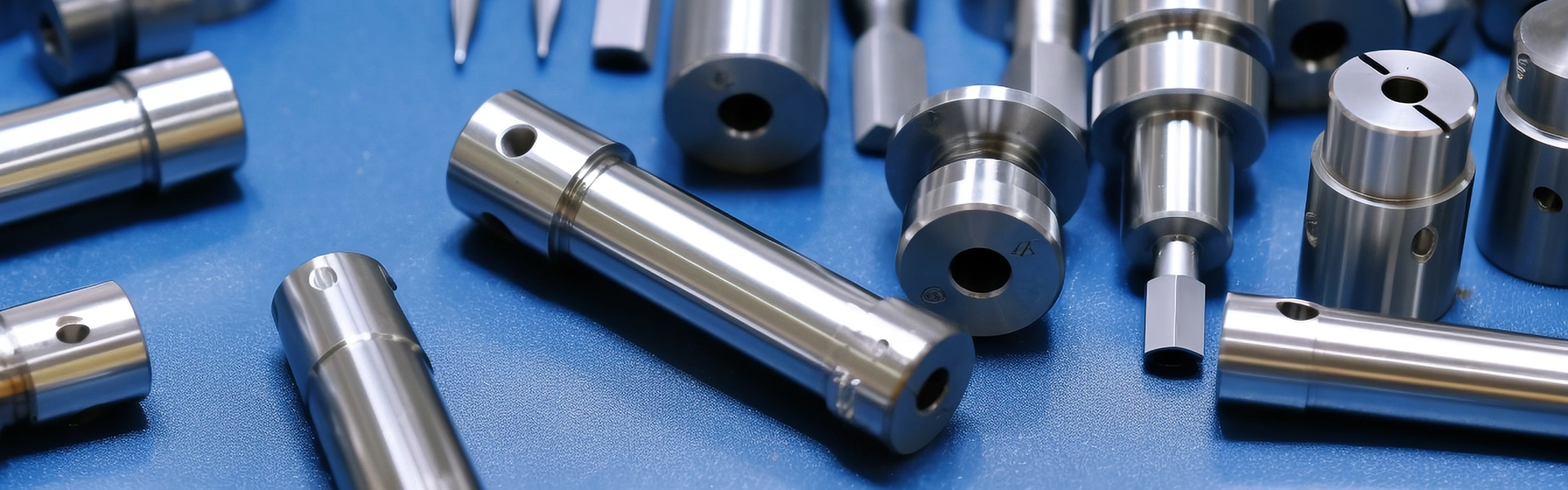
Porcelain Insulator ODM Solutions: Premium Electrical Component Manufacturing
2026-01-05
In today's demanding electrical industry, the quality of components can make or break performance. At Lugao, we specialize in porcelain insulator ODM solutions that stand the test of time and environment. This blog delves into our premium manufacturing process, innovative designs, and how Lugao ensures reliability in every electrical system. Discover why our commitment to excellence sets us apart in the market.
Innovations in Porcelain Insulator Design for Modern Electrical Systems
The evolution of porcelain insulators reflects a shift toward sustainability and resilience in today's power grids. Instead of relying on decades-old materials, manufacturers are now incorporating advanced ceramics with higher thermal conductivity and improved mechanical strength. These new compositions allow insulators to withstand extreme weather conditions, from icy winters to scorching summers, without degrading or requiring frequent replacements. This adaptability is crucial for maintaining grid stability as renewable energy sources like wind and solar introduce more variability into electrical systems.
Innovations extend beyond materials to include clever structural enhancements. For instance, some modern designs feature ribbed or corrugated surfaces that repel water more effectively, reducing the risk of flashovers during rainstorms. Others integrate internal chemical treatments that repel pollutants and resist surface tracking, a common cause of insulator failure in industrial or coastal areas. These subtle yet impactful changes mean that utilities can install insulators in diverse environments—from urban centers to remote rural networks—with confidence in their long-term performance.
What sets these developments apart is their focus on real-world applications. Unlike generic upgrades, today's porcelain insulators are often tailored to specific operational challenges, such as high-voltage direct current (HVDC) transmission or smart grid integration. By optimizing electrical and mechanical properties, these insulators not only enhance safety but also contribute to a more efficient and reliable electrical infrastructure, paving the way for future innovations in energy distribution.
Custom ODM Solutions Tailored to Unique Industry Challenges
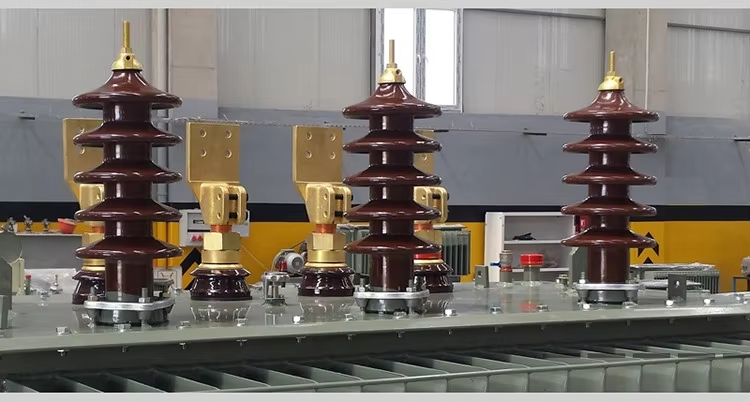
In today's fast-evolving industrial landscape, businesses often encounter hurdles that off-the-shelf products can't quite address. That's where custom Original Design Manufacturing (ODM) solutions come into play—offering a personalized approach to tackle specific challenges head-on, rather than forcing a square peg into a round hole.
By collaborating closely with clients, custom ODM providers dive deep into the nuances of each industry, whether it's overcoming supply chain bottlenecks in logistics or enhancing precision in medical devices. This partnership ensures that the final product isn't just functional but seamlessly integrates into existing workflows, boosting efficiency and innovation.
What truly sets these solutions apart is their ability to adapt and evolve alongside changing demands, providing a long-term competitive edge. From initial concept to final delivery, custom ODM isn't about one-size-fits-all; it's about crafting tools that empower businesses to thrive in their unique environments.
Quality Assurance Processes in Premium Porcelain Manufacturing
In the realm of premium porcelain manufacturing, quality assurance isn't just a step—it's the backbone of the entire production journey. From the initial selection of raw kaolin clay, sourced for its purity and fine grain, to the meticulous blending with feldspar and quartz, every stage is scrutinized to ensure consistency. Skilled artisans often perform visual and tactile inspections, checking for any impurities or inconsistencies in the material before it's even shaped. This hands-on approach ensures that only the best foundations are laid for pieces destined to become heirlooms, blending traditional craftsmanship with modern precision to catch flaws that automated systems might miss.
As the porcelain takes form through casting or throwing, real-time monitoring steps in to maintain integrity. Advanced techniques like X-ray fluorescence are sometimes employed to analyze glaze compositions non-invasively, verifying that each layer meets exacting standards for color, thickness, and durability. Between firings, which can reach temperatures over 1,400°C, samples are pulled for stress tests to assess resistance to thermal shock and mechanical wear. This proactive stance helps identify potential issues early, reducing waste and ensuring that every piece emerges from the kiln with a flawless, vitrified finish that speaks to its premium status.
The final quality checks are where artistry and science converge most vividly. Each finished item undergoes a rigorous examination under calibrated lighting, where inspectors look for minute defects like pinpricks, crazing, or color deviations. Acoustic testing might be used to tap pieces gently, listening for the telltale ring that indicates solidity and absence of internal cracks. Beyond the factory, long-term performance is validated through accelerated aging tests, simulating years of use to guarantee that the porcelain retains its brilliance and strength. This comprehensive process not only upholds brand reputation but also deepens consumer trust, making premium porcelain a testament to relentless quality pursuit.
Sustainable Materials and Practices in Electrical Component Production
In the realm of electrical component manufacturing, sustainability is no longer just a buzzword—it's a critical pivot that's reshaping the entire industry. Companies are turning to materials like recycled aluminum and copper, which reduce dependence on virgin resources and slash emissions from mining. For instance, using reclaimed metals in conductors can maintain performance while lowering the carbon footprint. This shift isn't just about green credentials; it's driven by cost savings and regulatory pressures, making it a smart business move that resonates with today's eco-conscious consumers.
Beyond materials, innovative practices are transforming production lines. Lean manufacturing techniques minimize waste by optimizing resource use, from energy consumption in assembly plants to water recycling in cooling systems. Some firms are adopting closed-loop systems where end-of-life components are disassembled and their parts reused, cutting down on landfill waste. These strategies aren't just theoretical—they're hands-on approaches that boost efficiency and create a more circular economy, setting new benchmarks for competitors in the sector.
Looking forward, the integration of biodegradable polymers and bio-based plastics in insulators and casings is gaining traction, offering end-of-life solutions that break down naturally. This evolution underscores a deeper commitment to environmental stewardship, proving that sustainability and cutting-edge technology can go hand in hand. By prioritizing these advancements, the electrical component industry is not only future-proofing its operations but also contributing to a cleaner planet where innovation thrives.
Global Applications and Case Studies of High-Performance Insulators
High-performance insulators are making a real impact across global industries, not just as technical components but as essential solutions to modern challenges. In the renewable energy sector, advanced ceramic insulators are enabling more efficient transmission of solar and wind power over long distances, reducing energy loss in regions like Europe and North America where grid integration is critical. Meanwhile, in Japan, innovative polymer insulators are being used in earthquake-prone areas to ensure reliable power distribution without failure during seismic events, showcasing how material science can adapt to local environmental risks.
One standout case comes from Scandinavia, where ultra-high voltage DC lines insulated with silicone rubber composites have slashed maintenance costs by 40% in harsh Arctic conditions, proving that durability pays off in extreme climates. Another example is in urban Asia, where compact gas-insulated switchgear with epoxy insulators is helping megacities like Singapore and Tokyo overcome space constraints while boosting grid reliability, a subtle but crucial innovation for densely populated areas. These applications demonstrate that high-performance insulators aren't just about blocking electricity—they're about smartly addressing specific regional needs, from weather resilience to spatial efficiency.
Looking beyond traditional uses, newer applications are emerging in sectors like electric vehicle charging infrastructure, where specialized insulators manage high-power loads safely in public networks across Germany and California. A recent pilot in Australia even tested biodegradable insulators for temporary installations, hinting at future sustainability trends. Each case study reveals a tailored approach: insulators aren't one-size-fits-all but are evolving through real-world trials, blending advanced materials with practical ingenuity to meet diverse global demands without flashy jargon or oversimplification.
Future Trends and Technological Advancements in Porcelain ODM
As consumer preferences shift toward more durable and aesthetically pleasing tableware, porcelain ODM is embracing advanced materials to meet these demands. Innovations like high-strength ceramic composites are enabling thinner, lighter designs without sacrificing durability, while nanocoatings offer enhanced scratch and stain resistance. These breakthroughs allow manufacturers to create porcelain that lasts longer and retains its luster, appealing to a market that values both form and function in everyday items.
Digital fabrication methods, such as 3D printing and laser engraving, are revolutionizing how porcelain products are designed and customized. With 3D printing, intricate patterns and shapes that were once too labor-intensive become feasible, opening avenues for bespoke collections. Simultaneously, laser technology enables precise decorations and logos, reducing waste and speeding up production cycles. This blend of flexibility and efficiency helps brands stand out with unique offerings tailored to niche markets.
Sustainability is becoming a core focus, with future porcelain ODM integrating eco-friendly practices from raw material sourcing to end-of-life recycling. Companies are exploring recycled ceramics and low-energy kilns to minimize environmental impact. Additionally, smart packaging and logistics optimized through data analytics ensure reduced carbon footprints. By aligning with green initiatives, the industry not only enhances its appeal to eco-conscious consumers but also secures a competitive edge in a growing market segment.
FAQ
Our ODM solutions provide various porcelain insulators, including suspension, pin, and disc types, each tailored for specific voltage levels and environmental conditions, such as high-tension transmission lines or industrial settings.
We use advanced firing techniques and quality raw materials, combined with rigorous testing for thermal shock and mechanical strength, to guarantee long-lasting performance even under extreme temperatures and humidity.
Absolutely, our ODM services focus on bespoke designs, allowing adjustments in size, shape, and specifications to align with specific client needs or comply with local electrical codes.
We implement strict QC protocols, including visual inspections, dielectric testing, and sample audits at multiple stages, ensuring each insulator meets high safety and performance standards before shipment.
Porcelain insulators generally offer better cost-effectiveness for long-term use due to their superior resistance to aging and environmental degradation, though initial costs may vary based on application specifics.
We offer comprehensive post-sale support, including detailed installation manuals, technical assistance, and warranties that cover defects, ensuring smooth integration and customer satisfaction.
Yes, we prioritize sustainability by using recyclable materials, optimizing energy consumption in kilns, and minimizing waste through efficient production cycles, reducing our environmental footprint.
With scalable production capabilities and streamlined logistics, we can manage high-volume orders efficiently, maintaining quality through automated processes and experienced teams to meet urgent timelines.
Conclusion
The field of porcelain insulator ODM solutions focuses on delivering premium electrical components through innovative design and tailored manufacturing. Advances in porcelain insulator design cater to the demands of modern electrical systems, ensuring reliability and efficiency. Custom ODM approaches address unique industry challenges by providing specialized solutions that enhance performance and safety. As manufacturers integrate these innovations, they pave the way for more robust electrical infrastructures, adapting to evolving technological needs. This ongoing evolution highlights the importance of precision engineering in developing high-quality insulators that meet diverse application requirements.
Quality assurance processes are paramount in premium porcelain manufacturing, incorporating rigorous testing to maintain product integrity. Sustainable materials and practices further elevate production standards, aligning with global environmental goals. High-performance insulators find applications in various global settings, supported by case studies that demonstrate their effectiveness. Future trends and technological advancements promise continued improvement in porcelain ODM, driving innovation in electrical components. Together, these elements foster a resilient and forward-looking industry, committed to excellence and sustainability in manufacturing.
Contact Us
Contact Person: Doreen
Email: [email protected]
Tel/WhatsApp: 8618057712366
Website: https://www.liugaopower.com/