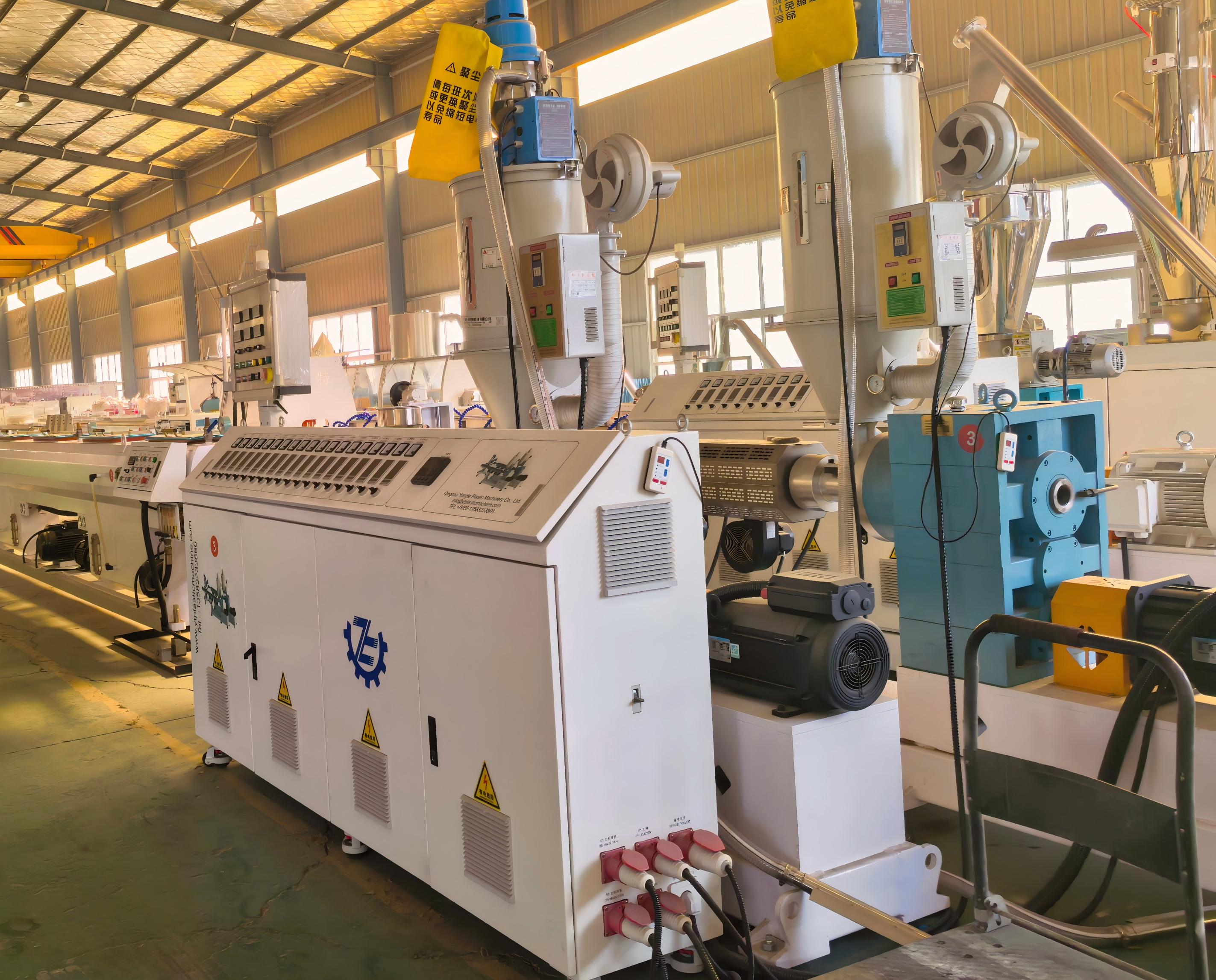
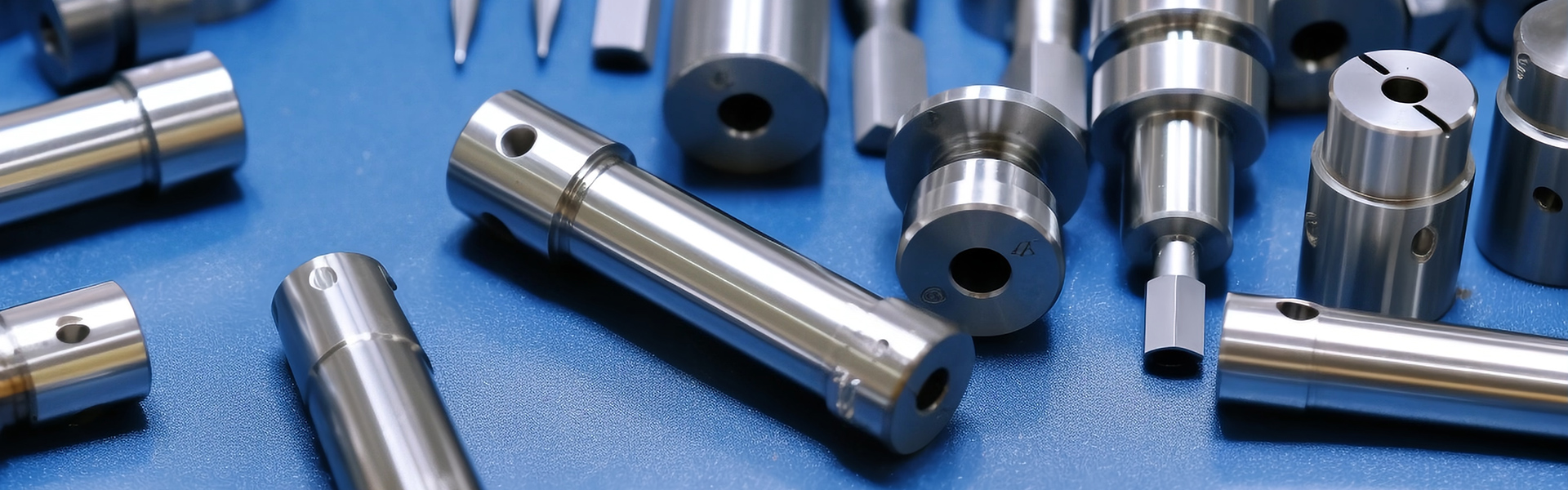
PPR Pipe Machine Manufacturer Evaluation Tips for Reliable Production Lines
2026-11-16
Choosing a PPR pipe machine manufacturer is less about glossy spec sheets and more about what happens on the floor after month one. The right evaluation should separate suppliers who can quote a line speed from those who can hold it under real thermal and pressure loads. Drawing on practical experience from Yongte production environments, this guide breaks down the vendor checks that actually predict long-term line reliability.
Reading the Welding and Calibration Quality Before You Sign
Before you put your name on a weld inspection report, flip back through the actual parameter logs rather than relying on the summary page. A welder can run within the upper end of a qualified range and still leave a heat signature that changes the grain structure near the toe. If the recorded amps, volts, travel speed, or interpass temperature drift outside what the WPS allows, that single joint may need to be cut out or re-tested, regardless of how clean the final visual pass looks.
Look at the physical weld with fresh eyes and a flashlight, not just the circled accepted boxes. Run your finger along the cap profile where it meets the base metal. A smooth, slightly convex bead with no undercut is a better predictor of long-term performance than a beautiful paint finish over a hidden crater crack. Check for porosity at the stop/start points, excessive reinforcement beyond code limits, and any arc strike outside the joint. These are the details that usually show up later in a failure investigation.
On calibration, match the certificate number to the gauge in your hand and verify the calibration date covers the period when the measurements were taken. Watch for a borrowed certificate or a sticker that is still within date but belongs to a different instrument. Ask what standard the lab used and what the measured error was at each test point. A tool that barely passed at full scale may be unreliable in the lower range where your readings sit.
Why Real Factory Audits Beat Brochure Claims
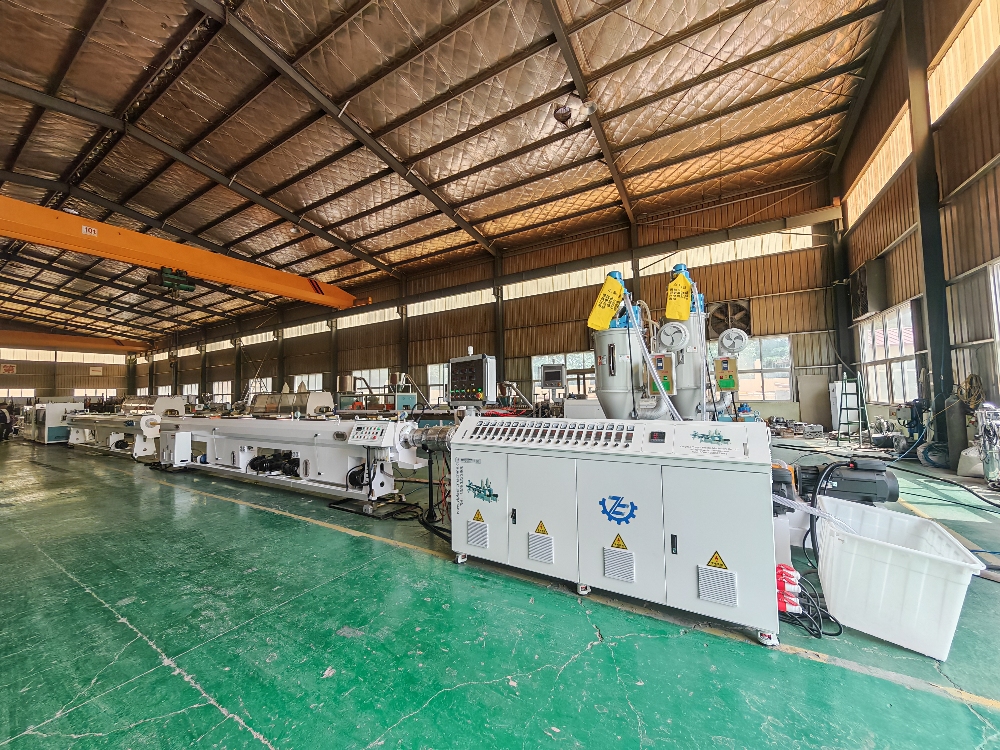
Brochures are polished by marketing teams until every surface gleams. They show clean floors, smiling workers in fresh uniforms, and machinery that looks untouched. But a factory isn't a photoshoot. Real audits walk through the same spaces when nobody is expecting visitors. You notice the faint smell of solvents near the ventilation shaft, the wobble in a handrail above the loading dock, the pile of rejected parts left in a corner for three weeks. These details never make it into a PDF, yet they shape whether an order ships on time and whether the product survives its first month in a customer's hands.
An audit also forces a conversation that a brochure cannot. You sit down with a shift supervisor and ask why the last batch had to be redone. You watch how a line worker reacts when a gauge reads slightly out of spec. A glossy claim about 'ISO-certified quality control' means little if the certificate is expired or the person responsible has quit. The audit reveals what happens when pressure rises: shortcuts get hidden, but not well enough. A trained auditor picks up on the mismatch between documented procedures and the rhythm of actual work.
Over time, the difference compounds. A brochure gets updated once a year; a factory floor changes every week. Audits give you a current map, not a historical postcard. One visit can replace dozens of back-and-forth emails and sample requests. It tells you whether the supplier is a partner you can grow with or a risk you've been lucky to avoid so far.
Matching Extruder Torque to Your Raw Material Reality
Every batch of raw material brings its own quirks. Moisture content shifts, filler dispersion varies, and the regrind percentage you were promised often doesn’t match what actually arrives on the floor. If your extruder torque is tuned only for ideal conditions, you’ll feel the difference the moment the feed throat starts to groan. Matching torque to reality means reading those early cues and adjusting rather than forcing a fixed setpoint through a material that has other plans.
The real skill is in finding the overlap between what your screw can push and what your material will accept without degrading. Too much torque and you risk shearing heat into the melt, creating black specks or burning off volatile additives. Too little and you’re underfilling the flights, letting residence time stretch until the color shift tells you something has been sitting too long. Operators who last in this work treat torque not as a target but as a conversation with the barrel.
Short runs magnify every mismatch. When you’re switching from a soft, wax-heavy compound to a glass-filled grade at two in the morning, the window for correction is narrow. That’s why experienced lines rely on a torque curve mapped from actual production data, not from a data sheet printed six months ago. Practical matching means building a reference that respects the variability your supplier won’t admit to, and then trusting your hands and your gauges over the default recipe.
Questions That Expose After-Sales Support Gaps
Ask a vendor what happens when a critical component fails on a Friday evening, and the silence often reveals more than the answer. Most after-sales promises collapse around the edges: no named contact, no clear escalation path, no guaranteed response window. Questions that expose these gaps are refreshingly blunt—"Can I speak to the person who actually fixes this?" or "What does your team do when the first fix doesn't hold?"
The most useful probes aren't about policies; they're about behavior. Instead of asking whether support exists, ask for the last three times it was tested. "Show me the ticket from a customer with the same issue last month" or "Walk me through a warranty claim that needed two visits." Vague reassurances usually mean the support layer is thin, reactive, or outsourced to a script.
Pricing also deserves pressure. A low purchase price often hides a costly after-sales reality: per-call fees, limited diagnostic support, or parts that only ship after internal approval. Asking "What does year two actually cost me when something breaks?" and "Which failures are excluded because they fall between warranty and wear-and-tear?" tends to separate vendors who plan for service from those who plan for the sale.
Energy Draw and Output Consistency Worth Measuring
Most devices on a bench get tested under ideal conditions, then shipped out into a world that rarely behaves. Energy draw gets documented at startup or under a single load, but those numbers fall apart once temperature shifts, batteries age, or firmware tweaks alter the power curve. Output consistency tells a different story when you watch it over an hour instead of a few milliseconds. A supply that looks clean on a scope can drift noticeably as components warm up, and that drift often matters more than a peak spec printed on the box.
Consistent measurement means logging the boring parts too. Repeated switching cycles, partial loads, standby states, and slow thermal buildup all leave fingerprints on both draw and output. Without that kind of long-view data, engineers end up chasing ghosts—spending days on intermittent failures that only appear after the enclosure has been closed for twenty minutes. Pulling a stable average from multiple runs also helps separate real anomalies from measurement noise. The goal isn’t perfection, just enough repeatability to trust the numbers when a product starts behaving strangely in the field.
Worth measuring doesn’t mean buying the most expensive logger. It means deciding which conditions matter for your use case and capturing those transitions honestly. A low-cost setup that records fine-grained current changes over ten minutes can beat a high-end meter sampled only at boot time. Pairing energy draw with output stability under light, intermittent load often reveals inefficiencies hidden by a steady full-throttle benchmark. The devices that survive real-world use aren’t the ones with the best datasheet—they’re the ones whose behavior was actually watched, recorded, and understood over time.
Building a Shortlist Around Proven Line Layouts
A useful shortlist rarely starts with blank-page sketches. It starts with the layouts already handling similar volumes without constant firefighting. Look at lines that run the same package sizes, batch patterns, or material flows, then pull their actual performance notes: where operators stand, how often a forklift has to reverse, which corners collect idle pallets.
From there, keep only the options that fit your real constraints. A proven layout in one plant can fall apart in another if the aisle widths, column spacing, or shift handover rhythm differ. Compare each candidate against two or three non-negotiables such as access for maintenance, room for peak-season staging, and the ability to scale without shutting down the whole line.
Finally, resist the urge to overfill the shortlist. If a layout has a clear owner on the floor and survives a demand spike without heroic measures, it belongs. If it only looks balanced in a simulation, leave it off until someone can point to a shift where it actually worked.
FAQ
Look at how their extrusion lines handle diameter changes. A builder that can switch from 20mm to 110mm without lengthy recalibration usually has better screw and die design.
Run a sample with rapid cooling cycles. If wall thickness stays consistent within ±0.1mm after the pipe exits the tank, the vacuum control and water flow are doing their job. Also ask about quick-change sizing sleeves.
Check whether the PLC stores past alarm events and lets you adjust parameters offline. Machines that only show live values tend to hide recurring faults until a full shutdown.
Usually it comes down to die head temperature zones and polishing inside the calibration sleeve. Request a trial with your own raw material blend to spot surface defects early.
Quite important, because PPR resin from different sources changes melt flow. A manufacturer that fine-tunes screw speed and barrel profiles for your specific resin lot will save you from brittle pipe later.
Look at weld seams on the frame, cable routing inside cabinets, and whether alignment pins on the haul-off are machined or just bolted. These small details predict long-term stability.
Not always. Local installations help with quick service, but you should ask for references that run the same pipe diameter range, not just the same brand.
Check if they provide remote troubleshooting access and keep mechanical drawings for each custom die set. If they can ship wear parts within 48 hours and have a technician familiar with your line, downtime stays manageable.
Conclusion
Before shortlisting any PPR pipe machine manufacturer, spend time on the details that show up later in production. Welding and calibration quality deserve a hard look before you sign: ask to see cross-sections of welded pipe, check how the calibration sleeves handle diameter and wall-thickness consistency, and pay attention to whether the cooling setup creates stress in the pipe. A real factory audit usually reveals more than brochure claims because you can watch assembly tolerances, inspect calibration tooling, and see how the manufacturer tests complete lines under load. Combine those observations with extruder torque data matched to your actual raw material. If you run higher recycled content or filler batches with different melt viscosity, the screw and drive must be sized for that reality, not for an ideal virgin grade.
After-sales questions should be specific enough to expose gaps: ask for exact spare-part delivery times, remote troubleshooting procedures, and the nearest service engineer response window. Vague promises often hide weak local support. Energy draw and output consistency are also worth measuring across several line speeds rather than trusting a single peak output figure, since real operating cost depends on kilowatt-hours per kilogram at stable output. Finally, build your shortlist around proven line layouts by visiting working installations, comparing changeover time, and checking whether the layout fits your floor space and operator flow. Cross-checking what you see in the weld, torque curves, support terms, energy use, and reference lines gives a far more reliable picture than any polished catalogue.
Contact Us
Contact Person: Ms Qin
Email: [email protected]
Tel/WhatsApp: 8613583233866
Website: https://www.yongteplast.com