
Private Label Pizza Sauce: A Complete Guide to Creating Your Own Signature Recipe
2026-11-16
Great pizza starts long before the toppings hit the dough—it starts in the sauce. If you’ve been searching for a private label pizza sauce that doesn’t taste like every other jar on the shelf, you already know the challenge: most options are forgettable. This guide walks you through building your own signature recipe from base to finish, with practical attention to texture, acidity, and flavor layering. Along the way, you’ll see how HONGBURG FLAVORMAKER helps brands turn a simple tomato blend into a distinctive product customers remember.
Let the Tomato Lead Before You Add Anything Else
A good tomato already carries its own acidity, sweetness, and umami, but those qualities will stay locked up if you rush straight to the stock or cream. Let the pieces hit a hot pan with a little oil and salt, then give them a minute or two to collapse and release their juice. That quiet sizzle is where the sauce starts to taste like something, not just like wet tomato.
Once the tomato has broken down enough to coat the back of a spoon, taste it. Only then can you tell what it actually needs—maybe a splash of wine for sharpness, a pinch of sugar to round the edge, or nothing at all. Adding everything at the start buries the fruit under layers of seasoning and hides the one flavour that should be doing the heavy lifting.
Make a Flavor Base That Actually Tastes Like Yours
Most recipe bases read like a stranger's grocery list. To make one that tastes like you, start with the three aromatics you reach for without thinking—maybe it's the sharp bite of shallots, a knob of ginger grated too generously, or a pinch of smoked paprika from the tin your mother used. Brown them slowly in whatever fat your kitchen runs on, letting the edges catch just enough to leave a dark, sticky fond on the pan. That residue is your fingerprint, not a flaw.
Acid comes next, and it should feel personal. Skip the standard splash of lemon. Use the brine from last summer's pickled green tomatoes, a spoonful of tamarind paste you forgot you had, or the last cloudy pour from a bottle of unfiltered rice vinegar. Stir it into the aromatics while the pan is still hot and listen for the hiss—that's the base claiming its identity. At this point, taste like a cook, not a chemist. If it doesn't make you want to eat a spoonful straight from the stove, it isn't yours yet.
Finally, build body with a liquid that carries a memory. Chicken stock from a bag of bones you saved, barley tea left over from breakfast, even the water you used to rinse a can of white beans. Let it reduce until the spoon leaves a clean trail and the flavors have stopped arguing. Write down only what you did differently this time—the double pinch of celery seed, the splash of coffee—so your next batch tastes less like a formula and more like you came back to the same pot.
Treat Acidity and Sweetness as a Balancing Act, Not a Formula
Acidity can feel sharp one day and almost soft the next, even with the same beans on the shelf. Sweetness rarely arrives as a fixed quantity either; it shifts with ripeness, rest time, water, and how hard you push extraction. Instead of locking in a ratio, treat the two as moving parts that need to nudge each other.
Start by tasting for the gap between them. If the acidity leans sour or metallic, pull back slightly on dose or temperature before reaching for more sweetness. If the cup goes flat and syrupy, lift the acidity by grinding a touch finer or shortening the contact time. Small changes often matter more than big recipe rewrites.
The goal is not to erase either quality but to make them feel like one continuous line. A balanced result might still lean bright or round, depending on the day. Trust the way the flavors settle on your tongue, and let that guide the next adjustment.
Choose a Texture That Works for More Than One Style
A texture with real range tends to have a quiet, organic quality rather than a loud personality. Think lightly slubbed linen, honed stone, or hand-applied plaster. These surfaces shift easily from a sleek urban room to a relaxed coastal space because they don't carry a single decorative era on their back. The moment a finish feels too thematic, it starts dictating the rest of the room.
The trick is to pick a material that can absorb different accents instead of fighting them. A soft boucle, for example, can read as mid-century next to walnut, or as modern farmhouse when paired with black iron and raw oak. That flexibility matters more than trendiness. When a texture sits comfortably in several visual languages, you can update lighting, hardware, or art without tearing out the larger pieces.
Before committing, test the texture against at least three room directions you already love. If it only works in one, keep looking. The best choices often feel a little understated at first, but they earn their place by letting the rest of the room change around them.
Small-Batch Success Does Not Automatically Survive Production
A recipe that wins over a dozen dinner guests can fall flat when the quantities are multiplied by fifty. The early batches benefit from constant attention, quick adjustments, and an intuition for what the mixture should look like at any given moment. Once you step away from that hands-on rhythm and hand the process to a production line, the variables multiply quietly: different mixing speeds, longer holding times, less forgiving temperature swings, and equipment that works fine for twenty units but struggles with two hundred. What was once a flexible set of choices becomes a rigid sequence, and the small missteps that were easy to correct on the fly now get baked into an entire run.
Scaling up is not simply a matter of doing more of the same thing. Ingredients behave differently in larger volumes, packaging tolerances shift, and the people executing each step are no longer the ones who originally tweaked the formula. A baker who knows exactly how much extra flour to add on a humid day is replaced by a checklist that assumes a stable environment. The result is often a product that checks every box on paper but has lost the texture, flavor, or edge that made the small batch memorable. The gap between prototype and full production is rarely dramatic at first; it shows up as a slight dryness, a duller finish, or a shelf life that shortens by a few days.
Closing that gap requires treating the first production run as a new round of development, not a victory lap. Test batches should be run on the actual equipment, with the same people and the same time constraints that will exist on a normal shift. Record the failures as carefully as the successes, because the adjustments that seem too minor to document are often the ones that decide whether the product survives the week. The goal is not to duplicate the small-batch outcome exactly but to understand which qualities can be preserved and which ones must be reimagined for a larger scale. Until that understanding is in place, the early praise is just a promising note, not a guarantee.
The Label Should Tell the Same Story as the Sauce
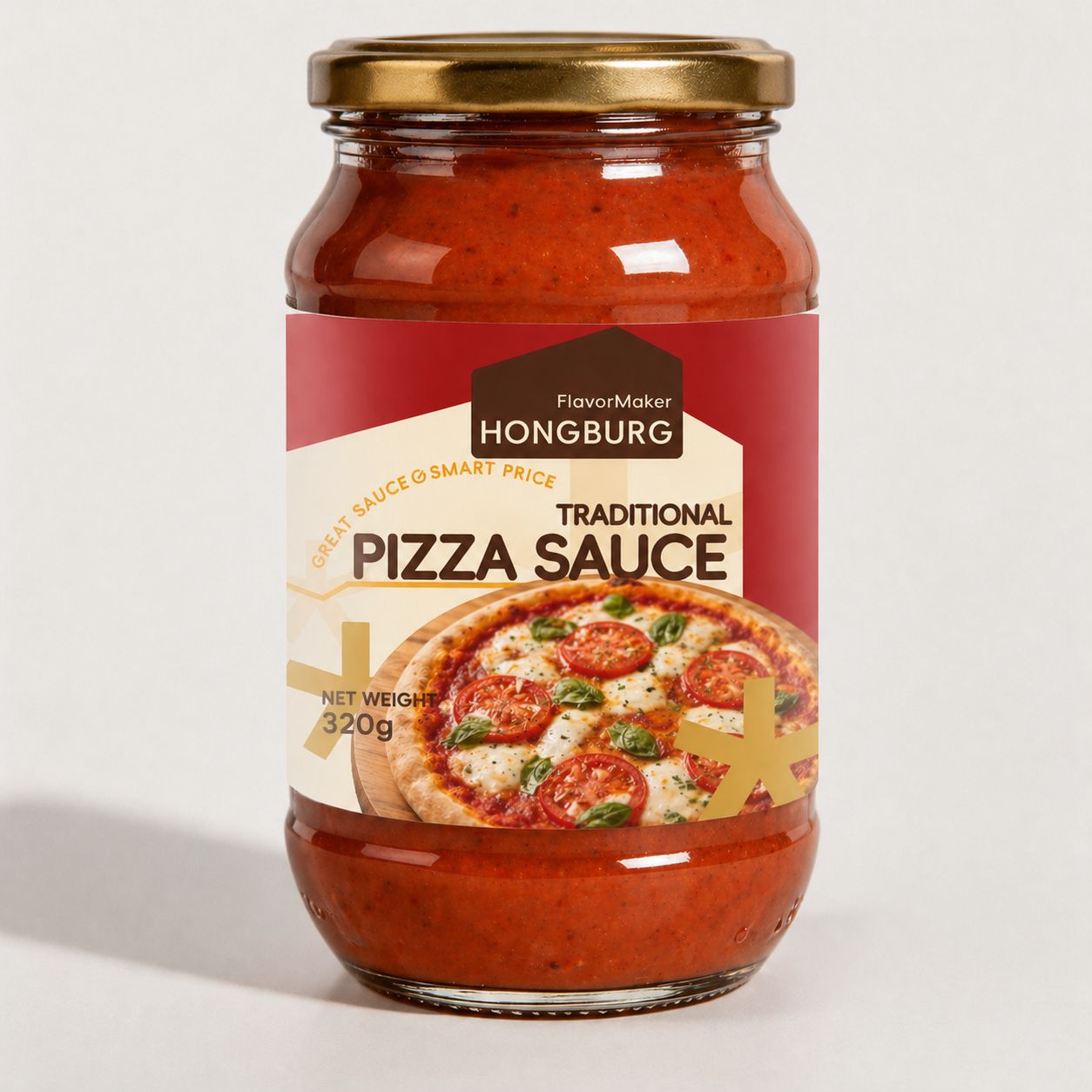
A label does more than sit between the sauce and the shelf. It is the opening line of the story the jar wants to tell. If the sauce inside is built on charred onion, dark sugar, and slow heat, the bottle should say so before anyone twists the cap. A pale minimalist label with thin type looks composed, but it tells a quieter, cooler story than the spoonful delivers. People may not stop to analyze why the two feel off, but the disconnect registers.
Small choices carry more weight than they seem. A paper stock with visible fiber can echo the coarseness of crushed spice, while a slightly uneven border around the lettering can suggest something made in small batches rather than stamped out by the thousands. If the sauce has a glossy, jammy body, a matte label may already be lying about texture. The goal is not decoration; it is preparation. The label should give the eye the same expectations the mouth will later confirm.
When the visual story and the flavor story pull in the same direction, opening the jar feels less like a gamble and more like a promise kept. People may not read every word, but they do catch the tone. A label that tells the true story of the sauce earns the kind of trust that brings a hand back to the shelf.
FAQ
Start by deciding what role the sauce plays in your pizza. If it's a New York style, you may want something bright and lightly seasoned; for a pan pizza, a thicker, slightly sweeter sauce holds up better. Write down those functional goals before touching a single tomato, because they guide every later choice from texture to cook time.
Canned whole plum tomatoes usually give more consistent results year-round. Fresh tomatoes only make sense at peak season and need peeling, seeding, and longer cooking to remove excess water. If you do use fresh, choose a meaty variety like Roma or San Marzano and be ready to adjust the salt and sugar more than you would with canned.
Add sweetness in small increments and taste after each addition. A pinch of sugar, a little grated carrot, or even a splash of balsamic can round out acidity, but the goal is to soften the sharp edges, not create a sweet sauce. Keep the total sugar lower than you think and lean on salt and fat, like olive oil, to carry the flavor.
Use one or two bold notes rather than a long list. Oregano and basil are classic, but a small amount of fennel seed, crushed red pepper, or even a strip of orange zest can give the sauce an identity. Add dried herbs early to bloom in the oil, and fresh herbs near the end so they don't disappear.
For a thin, crisp crust you may want a smooth, slightly loose sauce that spreads easily. For thicker crusts or deep dish, a reduced, chunkier sauce works better because it adds body without making the dough soggy. You can blend part of the sauce and leave the rest slightly crushed, then mix them together to get a custom consistency.
Overcooking the sauce until it becomes a paste, using too much dried oregano, and adding sugar too early are the biggest culprits. Another mistake is seasoning the sauce as if it will be eaten alone, rather than as a layer under cheese and toppings. Let it taste slightly under-seasoned on its own; it will open up on the pizza.
If hot-filled into sterilized jars, an acidified tomato sauce can be shelf-stable, but exact time depends on pH and processing method. For small-batch private label runs, many brands start with refrigerated or frozen formats to avoid the complexity of thermal processing. Always work with a food safety specialist before setting a best-by date.
Yes. Most tomato-based pizza sauces are naturally vegan and gluten-free, so the real work is choosing oils, sweeteners, and thickeners that meet clean-label standards. Avoid modified starches and artificial preservatives if you want a short ingredient list. A simple formula of tomatoes, olive oil, salt, garlic, and one or two signature spices often reads better on the label anyway.
Conclusion
A memorable private label pizza sauce starts with restraint. Instead of burying the tomato under dried herbs and sugar, let the fruit's natural brightness set the direction. Taste the base before adding anything else, then build a flavor signature that feels deliberate—maybe a slow sweat of garlic and onion in olive oil, a splash of wine reduced until jammy, or a sachet of basil and oregano pulled before it turns bitter. Acidity and sweetness should be handled like a balancing act, not a fixed ratio. One batch may need a pinch of cane sugar, another a drop of lemon juice or a milder vinegar, depending on the tomato crop and cook time. Trust your palate more than the spreadsheet.
Texture matters as much as taste because the same sauce often has to work on a thin wood-fired crust and a thicker pan pie. A loose, watery blend will soak the dough, while an overly stiff paste can scorch. Aim for a body that spreads without running and clings without clumping. Small-batch success rarely translates directly to production, so track pH, Brix, viscosity, and hold temperature during scale-up; what tasted bright in a test kitchen can turn flat or metallic after hours in a kettle. Finally, the label should echo what is actually in the jar—name the tomato variety, describe the finish, and suggest pairings that match the sauce's real personality rather than generic claims.
Contact Us
Contact Person: Peter Song
Email: [email protected]
Tel/WhatsApp: +86 18920189778
Website: https://www.hongburg.com