
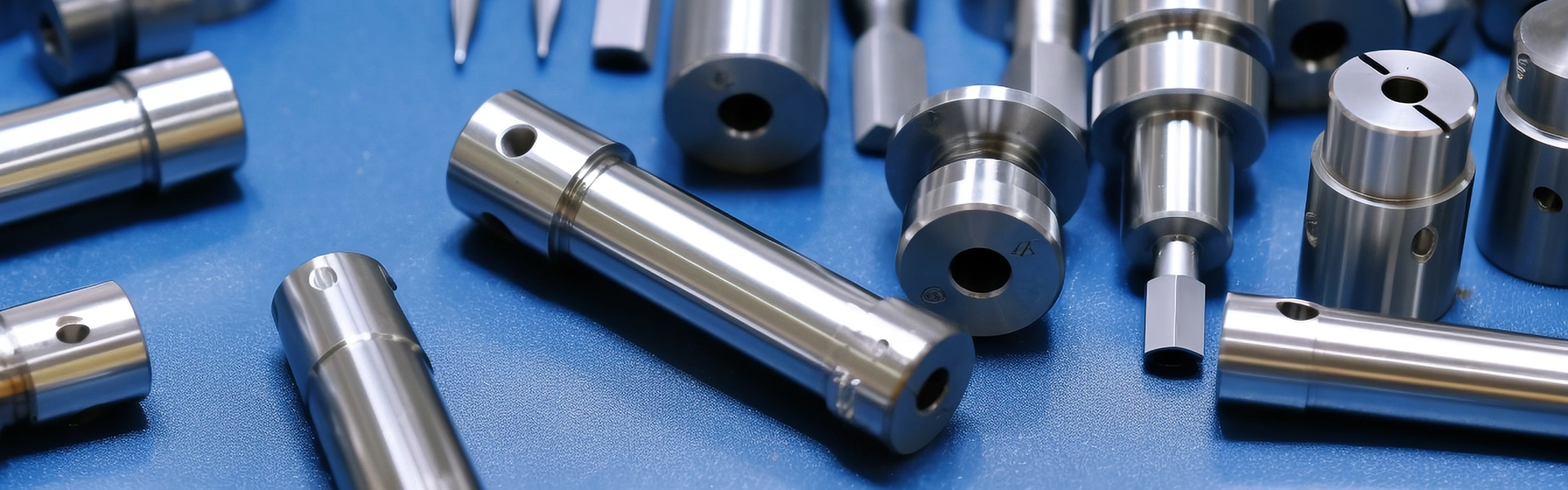
Reliable UV Piezo Inkjet Printers: The Ultimate Guide for Professionals
2026-07-01
In the fast-paced world of professional printing, precision and reliability aren't just nice-to-haves—they're absolute necessities. UV piezo inkjet technology has emerged as a game-changer, delivering stunning detail, vibrant colors, and remarkable durability across a vast range of materials. But not all printers are created equal, and finding one that consistently performs under demanding workloads can be a minefield. That's where Danmajet comes in, redefining what professionals can expect from their equipment. Whether you're pushing the boundaries of industrial production or elevating a high-end print shop, the right choice can transform your output. Let's explore what makes a UV piezo inkjet printer truly reliable and why smart buyers are shifting their focus to brands that deliver without compromise.
Why Your Next Printer Should Be Piezo: The Hidden Engineering Marvel
Most people choose a printer based on price or brand, rarely stopping to consider what’s actually pushing the ink onto the page. Beneath the unassuming exterior of a piezo printer lies a feat of precision engineering that’s been quietly outperforming conventional thermal printheads for decades. The core difference is in how it moves the ink—electrically charged ceramics that flex with microscopic accuracy, rather than boiling ink to create bubbles. This isn’t just technical trivia; it fundamentally changes reliability, output quality, and what you can actually print on.
The real standout isn’t just the sharpness of text, but the breadth of media a piezo printhead can handle. While thermal printheads are limited by ink chemistry and surface porosity, piezo mechanisms can lay down a precise droplet on everything from glossy labels to porous cardboard, even non-porous materials like plastic films. That flexibility stems from the ability to tune the voltage-driven actuator, controlling droplet size and shape without relying on heat, which means inks don’t need to be volatile and can bond to a much wider range of surfaces. It’s why you’ll find these printheads in industrial coders, wide-format graphics, and increasingly, desktop printers trying to escape the commodity trap.
Longevity is the other quiet advantage. A piezo printhead doesn’t cook its components repeatedly the way thermal jets do; instead of mini-explosions degrading resistive heaters, the ceramic elements can cycle millions of times with virtually no wear. This translates into a lifespan that often outlasts the rest of the printer, reducing waste and maintenance. Combined with the ability to use a broader palette of inks—pigment, oil-based, UV-curable—the piezo architecture isn’t a gimmick. It’s a durable, adaptable platform hiding in plain sight, ready for anyone willing to look past spec sheets and see what their next printer could actually do.
The Unseen Hero of Print Durability: Ink Curing Done Right
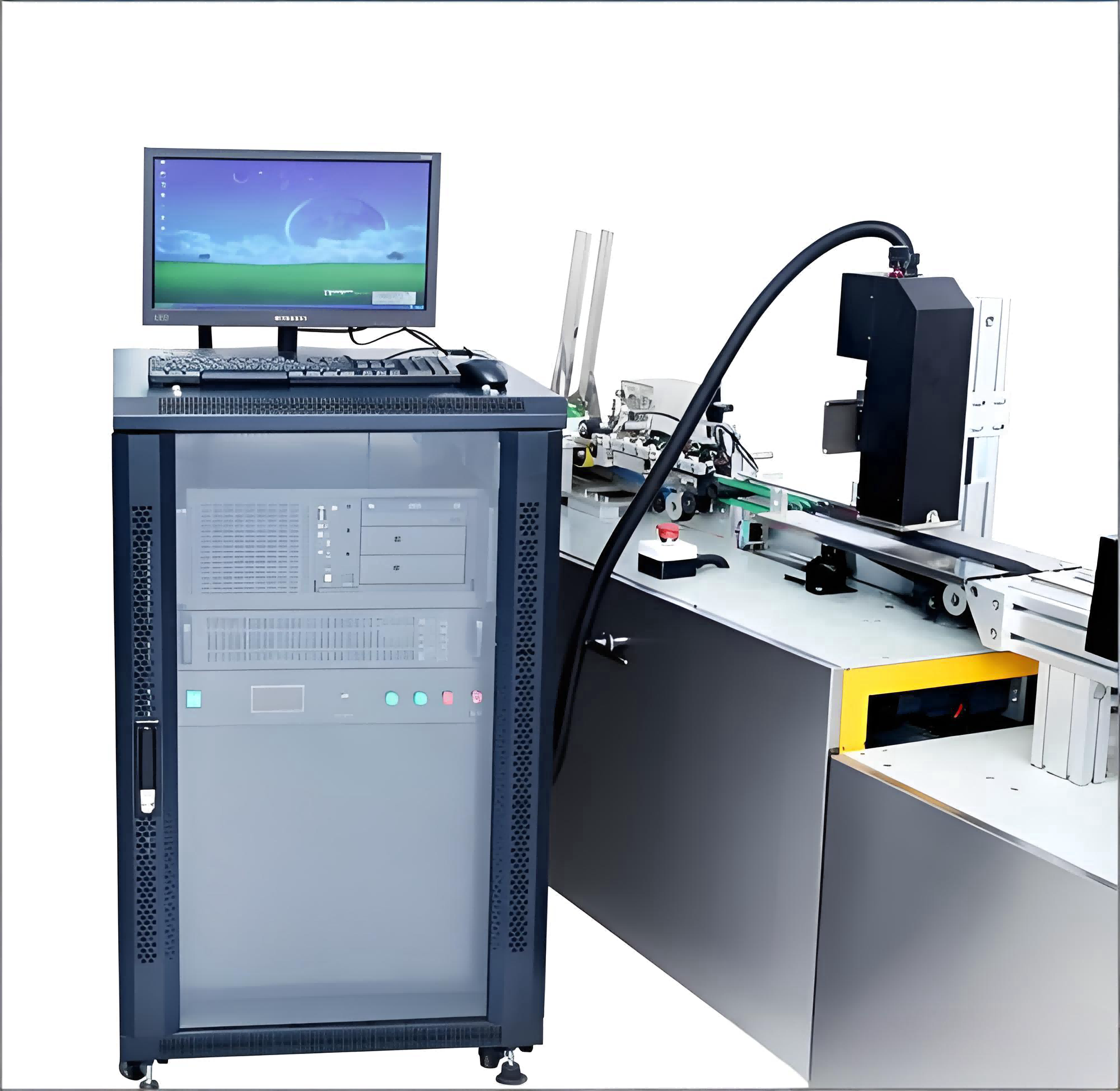
Ink curing often flies under the radar, yet it’s the quiet backbone of every print that survives the elements. Without proper curing, even the most vibrant design will fade, scratch, or peel long before its time. The process isn’t just about drying—it’s a chemical transformation that locks pigments into the substrate, creating a bond that withstands friction, moisture, and UV exposure. When overlooked, the results are costly: reprints, unhappy customers, and a tarnished reputation. Getting it right means treating curing not as an afterthought, but as the critical stage where a print truly becomes permanent.
The magic lies in matching the cure to the ink and material. UV inks demand precise light wavelengths and energy doses; too little leaves the surface tacky, while too much can make it brittle. Solvent-based inks rely on evaporation and oxidation, requiring controlled airflow and temperature. Even the speed of the production line plays a role—rush it, and you’ll trap uncured ink beneath a deceptively dry top layer. Skilled operators know that dialing in these variables isn’t a one-size-fits-all task. It’s a dance between chemistry and machinery, where small adjustments separate a lasting print from one that crumbles under real-world use.
Beyond the technical side, curing influences how a print feels and ages. A fully cured surface resists chemicals, stays flexible, and maintains its gloss or matte finish year after year. It’s what turns a simple label into something that endures on a product through shipping, handling, and daily wear. The truly unseen part? The absence of failure. Nobody notices a print that remains flawless—but that’s exactly the point. When curing is done right, it vanishes into the background, letting the design and durability speak for themselves.
Beyond the Basics: Creative Applications That Justify the Investment
Most people stop at the obvious use cases—automating email replies or generating quick summaries. But the real payoff hides in less trodden territory. Imagine feeding a decade’s worth of customer feedback into a model and asking it to map emotional highs and lows against your product roadmap. That kind of insight doesn’t just save time; it changes how you build.
Take internal knowledge bases, for example. Instead of letting static wikis gather dust, you can turn them into conversational mentors for new hires. The tool doesn’t simply retrieve documents—it contextualizes answers based on the learner’s role, current projects, and even the company’s past mistakes. Learning curves shrink, and tribal knowledge stops evaporating every time a veteran leaves.
Then there’s the edge where creativity meets code. A small design studio we know uses the same core technology to generate packaging concepts, but not in the way you’d expect. They prompt it to deconstruct classic album covers into design principles, then remix those principles with physical constraints like eco-friendly materials. The output isn’t a finished design; it’s a springboard that makes every brief a collaborative jam session between human intuition and mechanical serendipity.
The Maintenance Ritual: A Technician’s Secret to Flawless Output
Every seasoned technician knows that pristine output doesn’t spring from heroic last-minute fixes. It emerges from quiet, almost invisible daily routines—the wipe-down of a sensor before it misreads, the recalibration of a belt tensioner long before it whines, the unhurried check of fluid levels that most would skip. These aren’t tasks shouted from a checklist; they’re personal rituals stitched into muscle memory, performed with the same regularity as brewing morning coffee. The magic lies in treating the machine not as a tool but as a living system that rewards attentiveness with unwavering precision, day after day.
What separates a merely competent operator from a true craftsman is the stubborn refusal to overlook the trivial. A subtle vibration, a slightly elongated cycle time, a faint odor of overheated lubricant—these are whispers that get ignored in high-pressure environments. The technician’s ritual transforms such whispers into a language only they interpret, pausing to listen where others hurry past. It’s not paranoia; it’s pattern recognition sharpened by hundreds of quiet mornings spent with the same equipment. Over time, the machine stops being an assembly of parts and becomes a familiar voice, and the ritual becomes a conversation that preempts catastrophe.
The real secret, rarely discussed, is that this maintenance ritual serves the technician as much as the hardware. Repetition breeds a mental state where focus narrows, external noise fades, and each action becomes deliberate. In those moments before the floor gets busy, when it’s just you and the low hum of standby power, there’s a rare clarity. You’re not fixing anything because nothing is broken yet—and that’s the whole point. Flawless output isn’t the goal; it’s the byproduct of a relationship built on steady, unglamorous consistency, hidden in plain sight.
Crunching the Numbers: When a Premium UV Printer Pays for Itself
Investing in a high-end UV printer isn't a decision to take lightly—the upfront cost can run anywhere from $20,000 to well over $100,000 depending on the model and features. But if you look beyond the sticker price, the real story is in the operational savings and new revenue streams it unlocks. For many print shops, the break-even point arrives faster than expected, often within 12 to 18 months, once you factor in reduced outsourcing, faster turnaround, and the ability to print on a dizzying array of substrates without pre-coating or drying time. It's not just about replacing an older machine; it's about transforming what your business can offer.
Take a typical mid-sized sign shop that currently outsources all its rigid substrate work. They might spend $3,000 to $5,000 a month on third-party printing. After bringing a premium UV flatbed in-house, those costs shift largely to raw materials and labor, dropping the per-unit production cost by 40-60%. Add in the new capability to offer same-day custom items—like phone cases, acrylic awards, or textured wall panels—and suddenly you're not just saving money, you're capturing high-margin local business that used to go to specialty providers. That shift alone can add $8,000 to $15,000 in extra monthly profit, making the printer's monthly lease or loan payment feel trivial.
Of course, the math only works if you keep the machine running. Idle time is the silent killer of ROI. Smart owners don't just wait for orders—they actively prototype sample kits for interior designers, run limited-edition artist collaborations, or offer drop-shipping fulfillment for online retailers. The real magic happens when the printer becomes a profit center that operates beyond traditional 9-to-5 hours. In many cases, the actual payback period isn't determined by the equipment cost but by how creatively you build demand around its unique capabilities. Once you see the numbers shift from red to black, you'll wonder why you waited so long to make the leap.
Tomorrow’s Print Floor: Smart Features and Sustainable Inks
The modern print floor is no longer just a row of machines—it's an interconnected ecosystem. Sensors embedded in presses monitor humidity, temperature, and ink viscosity in real time, automatically adjusting settings to maintain peak performance without human intervention. This shift toward autonomous printing not only reduces waste but also frees up operators to focus on creative tasks rather than constant tinkering.
Meanwhile, the inks flowing through these smart systems are undergoing their own evolution. Algae-based pigments and soy-derived carriers are replacing petroleum-based formulations, delivering vibrant colors with a drastically lower environmental footprint. These next-gen inks cure faster under LED-UV light, cutting energy consumption while eliminating the need for harmful VOCs or spray powders.
What truly sets tomorrow’s floor apart is the fusion of intelligent automation and green chemistry. Print jobs are dispatched and tracked via cloud platforms, with AI predicting maintenance needs before a breakdown occurs. Combined with inks that are compostable and deinkable, the entire workflow is reimagined—proving that high-efficiency production and sustainability are not mutually exclusive.
FAQ
A UV piezo inkjet printer uses piezoelectric crystals to eject ink droplets and instantly cures them with ultraviolet light. Unlike thermal inkjets that boil ink, the piezo method gives precise control over droplet size and placement. The UV curing process solidifies the ink on contact, so it adheres to a wide variety of surfaces without soaking in, making it ideal for non-porous and rigid materials.
Reliability often comes down to a few engineering choices: the durability of the piezo printhead, which can outlast thermal heads, and the simplified maintenance of UV ink systems that don’t dry out in the nozzles when idle. Build quality matters too—sturdy frames, precise media handling, and effective ink circulation systems reduce common failure points.
The short answer is almost anything that fits in the printer. Professionals regularly use them on rigid boards like foam PVC, acrylic, aluminum composite, glass, and wood, as well as flexible materials such as banner vinyl, leather, and even some textiles. The UV ink sits on top of the surface, so absorbency isn’t required, opening up possibilities that aqueous or solvent printers can’t handle.
A consistent wipe-down of the printhead and surrounding areas with the recommended flush solution helps prevent buildup. Most operators also do a nozzle check before each job and run a purge or short print if the machine has been idle. Keeping the UV lamp glass clean and regularly inspecting ink filters and waste pads prevents larger issues down the road.
Think about your typical projects. If you primarily handle rigid sheets, a dedicated flatbed with strong vacuum hold-down might be best. A roll-to-roll model suits flexible media and longer runs of banners or vehicle wraps. For shops that do a mix, a hybrid system offers versatility, though sometimes with tradeoffs in speed or specialized handling for either substrate type.
It depends on volume and client base. The upfront cost is higher than some alternatives, but the ability to print directly onto finished goods—like phone cases, signage, or promotional items—can open new revenue streams without the need for lamination or drying time. Ink costs per square meter are competitive once you factor in minimal waste and instant finishing.
Beyond flat signage, many users gravitate toward textured or dimensional prints. You can build up layers of clear ink to create Braille, tactile effects, or simulated embossing. Another growing area is printing directly onto cylindrical objects with a rotary attachment. The instant cure also means you can overprint on dark or colored substrates without waiting for a base coat to dry.
Conclusion
The shift toward piezo inkjet technology represents more than a simple upgrade—it’s a quiet revolution in print reliability. Unlike thermal heads that wear down quickly, piezoelectric crystals deform with electric pulses, offering precise droplet control and a lifespan that outlasts conventional alternatives by years. This engineering choice becomes even more critical when paired with UV-curable inks, where curing consistency determines whether a print will withstand abrasion, chemicals, and sunlight. The real magic happens in the curing station: LED systems that ramp up instantly and tune wavelength to ink chemistry ensure every layer bonds fully without overbaking the substrate. But none of this matters without a disciplined maintenance routine. Technicians know that a five-minute daily purge and platen wipe can prevent 90% of nozzle clogs and banding artifacts—habits that separate print shops with near-zero reprint rates from those drowning in downtime.
Beyond standard signage, UV piezo printers unlock high-margin applications that justify the upfront cost. Think textured braille signage, dimensional art on acrylic, or direct-to-object decoration on items like phone cases and promotional gear. These applications command premium pricing that quickly tilts the ROI equation. When you run the numbers, a printer that can shift between flatbed and roll-fed media, run unattended overnight, and handle variable data seamlessly often pays for itself within 12–18 months through labor savings and expanded service offerings alone. Looking ahead, the next generation of these machines is already integrating IoT diagnostics that predict failures, automated ink recycling to reduce waste, and bio-based inks that meet tightening environmental regulations without sacrificing adhesion. For professionals who rely on output that must work every single day, investing in a well-designed piezo UV system isn’t speculation—it’s a calculated move toward future-proof production.
Contact Us
Contact Person: Jacky
Email: [email protected]
Tel/WhatsApp: 086 15000607053
Website: https://www.danmajet.com