
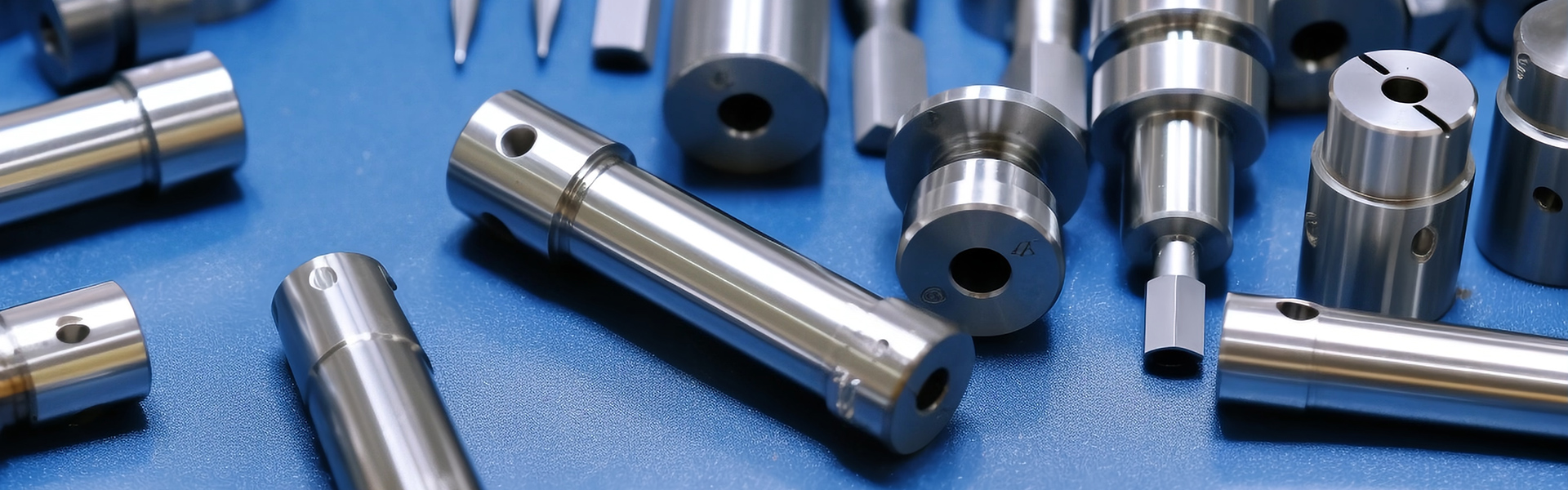
Smart Package Printing Die Making Equipment Drives Next-Gen Packaging Efficiency
2026-09-12
Every extra second spent on die preparation, every micron of inaccuracy in a cutting rule, and every manual adjustment on the production floor quietly eats into packaging margins. Smart package printing die making equipment is flipping that script. Instead of treating dies as static tooling, next-generation systems from ADEWO integrate real-time data, automated precision, and adaptive workflows to keep packaging lines moving faster with less waste. This post looks at what’s actually driving next-gen packaging efficiency—and why the smart money is moving upstream.
Precision That Adapts Mid-Run Without Halting Production
Real-time tool compensation used to mean stopping the line, measuring, adjusting, and hoping the next batch held tolerance. The latest closed-loop systems take a different route: sensors embedded in the spindle and fixture read deflection, thermal drift, and tool wear as the cut happens, feeding corrections back to the drives without a single pause. That means a part can start with a slightly warm machine and finish with a cold one, yet every critical dimension stays within a few microns.
This mid-run adaptability shows up most clearly in high-mix production, where swapping materials or batch sizes usually forces a reset. Instead of relying on a fixed recipe, the control logic builds a live model of how the process is behaving and nudges feed, speed, or toolpath on the fly. If a batch of stock arrives a little harder than the last, the spindle load signature shifts and the machine responds before bad parts pile up.
The practical payoff isn't just scrap reduction. Operators stop babysitting the cycle and start trusting that a drift of a few hundredths won't turn into a rejected shipment. Setup times drop because there's less need to chase perfect fixturing or pre-compensate every offset. What used to require a production halt for inspection and rework now happens quietly inside the cut, keeping the line moving and the tolerances tight.
How Real-Time Data Cuts Material Waste Before It Happens
Factories often treat scrap as an unavoidable byproduct—something measured only after the damage is done. But real-time sensor feeds flip that logic. Instead of tallying losses at the end of a shift, machine operators watch live dashboards that flag subtle shifts in temperature, pressure, or feed rate. A variance of half a percent might seem trivial, yet catching it in the moment prevents a whole batch from drifting out of spec. The data doesn't just record waste; it gives teams a chance to intervene before material ever leaves the line.
The real advantage is predictive, not reactive. Vibration signatures on a cutting head, for instance, can signal tool wear long before a blade chips or a nozzle clogs. By correlating those signals with historical scrap events, the system learns which patterns lead to rejects. When a familiar signature appears, it triggers an alert—adjust the coolant flow or swap the tool at the next natural pause. No guesswork, no overproduction. Operators stop running parts they already know will fail inspection.
What makes this approach stick is how it changes daily habits. Maintenance teams no longer wait for a scheduled checkup or a pile of defective units. They respond to live condition indicators, trimming just enough material from each cycle to stay within tolerance. Over weeks, that discipline compounds: fewer reruns, less raw stock ordered, and a quieter scrap bin. Waste becomes a leading indicator you can act on, not a lagging metric you report after the quarter closes.
Die Making That Learns From Every Sheet It Feeds
Most dies are carved once, then expected to perform identically on every sheet that passes through. This one does the opposite. It tracks thickness, grain direction, springback, even the faintest variations in temper from coil to coil. After a few dozen strokes, the tooling begins to adjust itself—shaving a micron here, shifting a relief angle there—so the next sheet meets a die that has already learned from the last one.
Instead of stopping production to file and re-check, operators watch the die quietly tune itself. A subtle change in ejection force or a slight curl in the scrap tells the system exactly where the steel is fighting back. The feedback loop runs in real time, fed by sensors tucked into the stripper plate and the punch body. The result is a tool that wears less, jams less often, and holds a crisp edge far longer than a conventional blanking or forming die.
What makes the difference is the memory. Not in the sense of stored settings, but in the physical conformity of the die surface. Each sheet leaves a minuscule signature on the tool, and the next cycle responds to it. Over a full shift, the die drifts toward an ideal shape for the actual material being run—not the nominal spec. It's less like setting up a machine and more like breaking in a pair of boots, except the boots never stop adapting.
Shorter Changeovers, Fewer Bottlenecks, Zero Guesswork
When a packaging line can switch from one product to the next in under fifteen minutes instead of half a shift, the entire production schedule loosens up. Changeover time isn't just a number on a clipboard—it's the difference between hitting a Friday deadline and paying weekend overtime. Quick-release clamps, pre-staged tooling, and color-coded parts trays turn a chaotic scramble into a routine that anyone on the floor can follow without a supervisor hovering nearby.
Bottlenecks rarely announce themselves. They hide in a work cell that always has a queue, a shared resource that every order fights over, or a machine that runs at 80% while everything downstream waits. Reworking the material flow so those pinch points get more breathing room—adding a buffer, rebalancing tasks, or relocating a secondary operation—often boosts throughput more than buying a faster machine.
Zero guesswork comes from visible, trustworthy data. Instead of a foreman squinting at a handwritten log to decide which job to run next, the system shows real-time status, remaining cycle time, and the exact moment a station will free up. Operators act on facts, not hunches. When a decision needs to be made, the answer is already on the board, not in someone's head.
From CAD File to Cutting Edge in One Continuous Flow
The journey from a raw CAD file to a finished machined part often involves tedious handoffs between software, setup sheets, and machine controllers. But in a continuous digital flow, that friction disappears. The moment a designer finalizes a model, toolpaths generate automatically, feeds and speeds tune themselves to the material, and the cutting program streams directly to the CNC—no rework, no guesswork, just a seamless transition from virtual geometry to physical chips hitting the floor.
This isn't just about speed; it's about eliminating the quiet errors that creep in when data passes through multiple hands. A single parametric thread runs from the first sketch to the final pass: any change in the CAD updates the CAM strategy, the post-processor adjusts on the fly, and the machine executes with the exact same intent the designer had in mind. The result is less scrap, fewer surprises, and a shop floor where the gap between "what you drew" and "what you cut" shrinks to nothing.
What makes this flow truly continuous is that it doesn't stop when the part leaves the table. In-process probing feeds dimensional data back into the same digital twin, allowing the system to adapt for the next run without human intervention. You're not just automating a step; you're closing a loop from concept to cutting edge—and keeping it closed, part after part, with a reliability that traditional batch-based workflows never quite achieve.
Smarter Tooling That Talks to Your Existing Line
Retrofitting a production line usually means tearing out familiar equipment and crossing your fingers. This tooling takes a different route. It plugs into the signals, connectors, and protocols already humming on your floor, then starts speaking the same language. No forced upgrades, no awkward translation boxes stacked in the corner.
The real advantage shows up in the details. Instead of demanding a new control schema, the system watches timing pulses, sensor states, and handshake routines on your current line. Within a few cycles it maps the rhythm and adjusts its own actuation to match. Operators keep the interfaces they know, while the tool quietly does the heavier thinking behind each cycle.
That means less downtime during rollout and fewer surprises later. When a station changes speed or a legacy PLC skips a beat, the tooling adapts rather than faults out. It treats your existing line as the source of truth, not an obstacle to work around.
FAQ
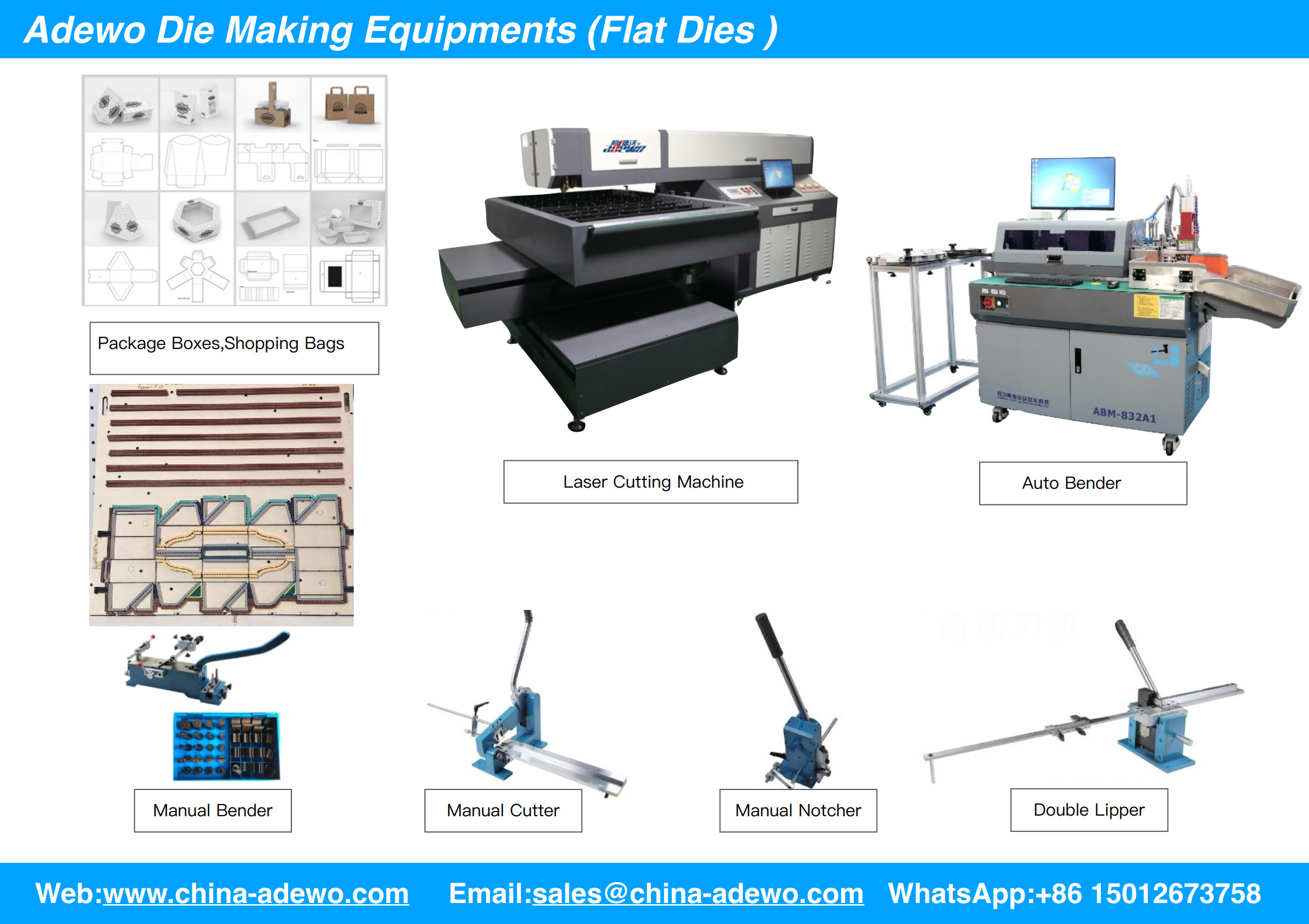
It replaces manual measurement and hand-bent rules with CNC-controlled rule processing and laser-positioned cutting channels. Built-in optical sensors verify dimensions in real time, so each die matches the CAD file within microns. That level of repeatability is hard to achieve when operators rely on physical templates and hand tools.
Automation cuts the traditional multi-day die production cycle down to hours. Rule bending, cutting, and placement happen on one machine without transferring jobs between stations. For packaging converters, that means a new job can move from approved artwork to a ready die in the same shift, which is a major advantage for time-sensitive campaigns.
Yes, because the software translates complex CAD layouts directly into machine instructions. Intricate crease patterns, tight radii, and unusual profiles are processed with laser-cut precision rather than relying on slower manual fitting. The machine maintains its speed while adapting to different board thicknesses and flute types, so complexity does not automatically mean longer setup.
Sensors track cutting force, bearing temperature, and rule wear during each run. When a parameter drifts outside its normal range, the system flags a maintenance need before a failure causes downtime. This predictive approach reduces emergency repairs and keeps the equipment running at full accuracy for a longer service life.
Waste drops because the first die is usually the correct die. There is less trial and error in cutting, creasing, and stripping, so fewer sheets are wasted on setup. Automated nesting also places multiple jobs on the same board more efficiently, and real-time quality checks catch misalignment before an entire batch is produced.
They should look at job mix, current bottleneck points, and whether their design files are already in compatible CAD formats. It also helps to assess training needs, because the operator's role shifts from manual tooling to software oversight. A plant with many short-run, high-mix jobs will typically see a faster return than one focused only on very long, static runs.
It enables lighter material gauges and tighter cutting tolerances, which reduces board consumption. Precise creasing also improves folding performance on recycled and lower-caliper boards that would otherwise crack or misfold. With less setup waste and fewer rejected sheets, the overall carbon footprint per package drops.
Because it removes the manual variability that has historically slowed down die production. Packaging brands now expect faster design changes, shorter runs, and consistent quality across multiple plants. Smart die making delivers that by combining digital job storage, automated rule processing, and live performance data, so the entire converting line can run faster with fewer interruptions.
Conclusion
Smart package printing die making equipment has moved beyond static tooling. Modern systems adjust cutting pressure and registration on the fly, so a job can shift from paperboard to micro-flute without stopping the line. Sensors capture every sheet's thickness and grain, feeding that data back to the die station before a miscut becomes scrap. Waste drops not because operators watch more carefully, but because the machine anticipates variation and compensates in milliseconds. This is not simple automation; it is tooling that builds a running model of the material it handles, refining its own parameters with each impression.
Changeovers that once took hours now happen in minutes, with tooling that reads job specs directly from CAD files and sets itself accordingly. The result is a continuous flow from design file to finished cut, eliminating handoffs and the errors that creep in between departments. Because the equipment communicates with existing production lines through standard interfaces, there is no need to rip out current infrastructure. Bottlenecks fade when the die cutter knows what is coming next and prepares before the previous job clears. That kind of connected intelligence is what makes next-generation packaging operations faster, leaner, and genuinely responsive to customer demands.
Contact Us
Contact Person: KAELYN LEE
Email: [email protected]
Tel/WhatsApp: +86 15012673758
Website: https://www.china-adewo.com