
Top 10 Distribution Box Manufacturers Worldwide – Expert Insights & Industry Guide
2025-12-31
Ever wondered what makes the backbone of modern electrical systems tick? At the heart of reliable power distribution lies the humble yet crucial component: the distribution box. In today's fast-paced industrial landscape, choosing the right manufacturer isn't just a technical decision—it's a strategic one that impacts efficiency, safety, and scalability. As we dive into the top 10 distribution box manufacturers worldwide, we'll uncover the experts shaping the industry and reveal insights that go beyond the spec sheets. And in this competitive field, one name stands out for innovation and quality: SINGI. From cutting-edge designs to global reach, this guide will explore what sets these leaders apart and why staying informed matters more than ever. Whether you're an industry veteran or new to the scene, get ready to discover the key players driving the future of electrical infrastructure.
Leading Global Manufacturers: Who Makes the List and Why
The landscape of global manufacturing is dominated by a select few giants, whose presence on the list is often a testament to their sheer scale, innovation, and strategic positioning. Companies like Toyota, Siemens, and Samsung consistently rank high, driven by their ability to pivot quickly in response to market demands, invest heavily in research and development, and maintain robust supply chains that span continents. Their inclusion isn't just about revenue—it reflects a deep-seated commitment to quality, efficiency, and sustainability that sets them apart in an increasingly competitive arena.
Beyond size, other factors propel manufacturers onto the global stage. Firms like Tesla have disrupted traditional industries by focusing on cutting-edge technology and eco-friendly practices, demonstrating that agility and forward-thinking can outpace established players. Similarly, companies in emerging markets, such as Foxconn from Taiwan, leverage cost advantages and specialized expertise to become indispensable in electronics production. This blend of innovation, niche specialization, or regional dominance often determines who makes the cut, highlighting that the list isn't static but evolves with technological and economic shifts.
Ultimately, making the list boils down to a company's resilience and adaptability in a volatile global economy. Those that thrive invest in smart manufacturing, embrace digital transformation, and prioritize sustainable practices, ensuring they remain relevant amid climate concerns and geopolitical tensions. By analyzing these leaders, we gain insights into the broader trends shaping industry—from automation to circular economies—and why certain names endure while others fade, offering a roadmap for aspiring manufacturers aiming to join the ranks.
Key Product Innovations Shaping the Distribution Box Market
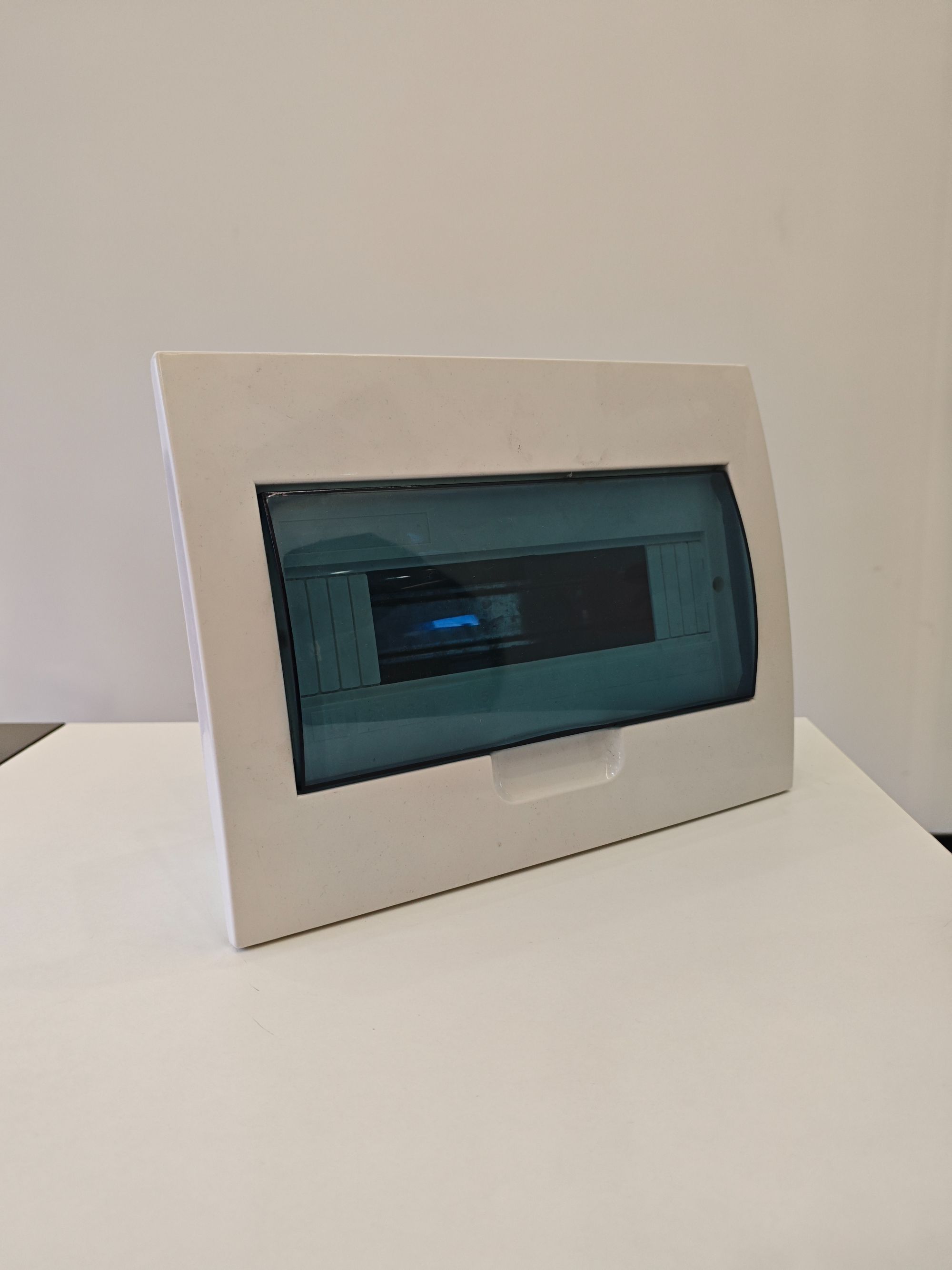
As infrastructure demands grow more sophisticated, the distribution box market is undergoing a quiet revolution, driven by innovations that prioritize resilience and intelligence. Recent strides in materials science have led to boxes crafted from corrosion-resistant alloys and polymers that defy harsh environments, from coastal salt spray to industrial pollutants. Beyond durability, these enclosures now incorporate modular designs, allowing utilities and data centers to customize layouts on the fly, reducing downtime and slashing installation costs. It's this blend of ruggedness and flexibility that's setting new benchmarks, making distribution boxes not just protective shells but adaptable assets in dynamic settings.
What truly distinguishes modern distribution boxes is their leap into the digital realm, where smart integration is becoming the norm rather than the exception. Embedded sensors and IoT connectivity enable real-time monitoring of parameters like temperature, humidity, and load currents, sending alerts to maintenance teams before faults escalate. Paired with energy-efficient components, these systems optimize power distribution in smart grids, cutting waste and enhancing reliability. This shift toward intelligent, connected solutions is reshaping how industries manage infrastructure, turning distribution boxes into proactive hubs that predict and respond to operational needs seamlessly.
Looking ahead, sustainability and user-centric design are emerging as game-changers in this space. Innovations such as solar-powered distribution boxes and recyclable materials are gaining traction, aligning with global green initiatives while offering cost savings over time. Enhanced safety features, including arc-fault detection and fire-resistant coatings, provide added peace of mind in high-risk applications. By focusing on eco-friendly practices and superior safety, manufacturers are not just meeting regulations but exceeding customer expectations, ensuring these products stand out in a crowded market for their forward-thinking approach.
Regional Insights: Market Leaders Across the Globe
When exploring global markets, it's fascinating to see how certain regions consistently produce frontrunners that shape industries worldwide. North America, for instance, has long been a powerhouse in technology, with Silicon Valley giants like Apple and Google setting the pace for innovation. Meanwhile, Europe showcases strength in sectors such as automotive engineering, with German companies like Volkswagen and Mercedes-Benz leading the charge in sustainable mobility solutions. These leaders not only dominate their home markets but also exert significant influence on international trade and consumer trends, making regional insights crucial for understanding the competitive landscape.
In Asia, the dynamics shift dramatically, where countries like China and Japan emerge as titans in manufacturing and electronics. Companies such as Samsung from South Korea and Alibaba from China have redefined market boundaries, leveraging rapid technological adoption and vast domestic demand to become global leaders. This region's emphasis on efficiency and scalability often results in products that cater to both local preferences and global standards, highlighting how regional strengths can translate into worldwide dominance. By focusing on these nuances, businesses can better anticipate shifts and adapt strategies to stay ahead in an ever-evolving market.
Looking beyond the usual suspects, emerging markets in Latin America and Africa are also carving out their niches, with leaders in agriculture, mining, and fintech gaining ground. For example, Brazil's agribusiness sector and Nigeria's fintech startups are increasingly influential, challenging traditional notions of market leadership. These regions remind us that innovation isn't confined to high-tech hubs, but can thrive anywhere with the right mix of resources and entrepreneurial spirit. By keeping a watchful eye on these diverse players, one gains a more holistic view of what it means to lead across the globe.
Strategies for Choosing the Right Manufacturer for Your Needs
When you're ready to bring your product to life, selecting a manufacturer can feel like a daunting task. Start by digging deep into your specific requirements—think beyond just costs. Consider factors like production capacity, minimum order quantities, and turnaround times. A manufacturer that excels in high-volume runs might not be the best fit for a small, custom batch. Ask yourself: Do they have experience with materials similar to yours? How do they handle quality control at each stage? Don't just skim the surface; request samples or visit facilities if possible to gauge their craftsmanship firsthand. This initial vetting sets the stage for a partnership that aligns with your operational pace and quality standards.
Communication and transparency often make or break manufacturer relationships. Look for partners who are upfront about their processes and responsive to your inquiries. A manufacturer that provides clear timelines, detailed quotes, and regular updates can save you from unexpected delays and cost overruns. Evaluate their willingness to adapt; for instance, if you need design tweaks mid-production, how flexible are they? Check references or reviews from other clients to assess reliability. It's not just about finding someone who can produce your item, but one who communicates openly, addresses concerns promptly, and treats your project as a collaboration rather than a transaction.
Long-term compatibility is crucial, especially if you plan to scale. Assess a manufacturer's track record with growth—can they ramp up production as demand increases? Consider logistical aspects like shipping options and location, which impact lead times and costs. Also, delve into their values; do they prioritize sustainability or ethical practices if that matters to your brand? A good fit extends beyond the first order, fostering a relationship where both parties evolve together. By focusing on these strategic elements, you'll not only find a manufacturer that meets your immediate needs but also one that supports your vision as it expands, ensuring smoother operations and a stronger market presence over time.
Future Trends to Watch in Distribution Box Technology
Distribution box technology is undergoing significant transformations, driven by the growing demand for smarter, more resilient power systems. One key trend is the integration of IoT sensors and connectivity, allowing for real-time monitoring of electrical parameters like voltage fluctuations, temperature, and load conditions. This enables predictive maintenance, reducing downtime and enhancing safety by alerting operators to potential faults before they escalate. Additionally, these connected boxes can seamlessly communicate with broader smart grid networks, optimizing energy distribution and supporting renewable energy integration.
Another emerging trend is the shift toward modular and scalable designs that accommodate rapidly evolving infrastructure needs. Manufacturers are focusing on compact, customizable boxes that can be easily upgraded or expanded without extensive retrofitting. This flexibility is crucial for urban areas and industrial sites where space constraints and changing power demands are common. Innovations in materials, such as corrosion-resistant alloys and advanced polymers, are also improving durability and lifespan, particularly in harsh environments like coastal regions or extreme climates.
Sustainability is becoming a central focus, with trends pushing for energy-efficient components and eco-friendly manufacturing processes. Distribution boxes are incorporating features like reduced power losses, better heat dissipation, and recyclable materials to minimize environmental impact. This aligns with global efforts to create greener energy ecosystems, making these advancements not just technological upgrades but essential steps toward a more sustainable future in electrical distribution.
How Industry Standards Influence Manufacturing Excellence
In the fast-paced world of manufacturing, industry standards serve as the backbone for driving excellence. These agreed-upon benchmarks, developed through collaboration among experts, ensure that products meet consistent quality and safety requirements. By adhering to standards like ISO 9001 for quality management, manufacturers can streamline their processes, reduce errors, and foster trust with customers. This not only enhances operational efficiency but also builds a reputation for reliability, making it easier to compete in global markets.
Beyond mere compliance, standards spur innovation and continuous improvement. When companies align with frameworks such as Six Sigma or Lean Manufacturing, they are encouraged to adopt best practices that minimize waste and optimize resource use. This proactive approach leads to cost savings and higher productivity, transforming manufacturing floors into hubs of precision and agility. As a result, manufacturers can adapt more swiftly to changing demands, delivering superior products that stand out in crowded industries.
Ultimately, the influence of industry standards extends far beyond factory walls, shaping entire supply chains and fostering collaboration. By establishing common protocols, standards enable seamless integration between suppliers, partners, and consumers. This interconnectedness not only boosts overall system resilience but also drives collective progress towards sustainability and ethical practices. In this way, standards become a catalyst for manufacturing excellence, empowering businesses to achieve long-term success while contributing to broader societal goals.
FAQ
The top 10 distribution box manufacturers worldwide, based on expert insights and industry analysis, include companies like Schneider Electric, Siemens, ABB, Eaton, Legrand, Hager Group, Mitsubishi Electric, and others. These firms are considered leaders due to their extensive product ranges, innovation in smart grid and renewable energy integration, strong global distribution networks, and consistent investment in research and development, which help them meet diverse industrial, commercial, and residential needs.
Expert insights highlight that top manufacturers differentiate themselves through advanced technologies like IoT-enabled control systems, superior safety features, and compliance with international standards (e.g., IEC, UL). They often offer robust after-sales support, customization options, and proven reliability in large-scale projects, whereas smaller players may focus on niche markets or have limited innovation capabilities.
Key trends include the integration of digitalization and smart grid solutions, increasing demand for energy-efficient and sustainable products, growth in renewable energy installations requiring specialized distribution boxes, and a shift toward modular and compact designs to save space. Automation and remote monitoring capabilities are also becoming more prevalent.
This industry guide offers valuable insights by providing detailed company profiles, market analysis, and expert commentary on technological advancements and competitive landscapes. It helps professionals make informed decisions on sourcing, partnerships, or investment by highlighting manufacturer strengths, innovation, and market positioning.
Common challenges include supply chain disruptions, rising raw material costs, and stringent regulatory requirements. Top manufacturers address these by diversifying supply sources, investing in automation to reduce production costs, and maintaining rigorous quality control to ensure compliance across regions, often leveraging their scale to mitigate risks.
Top manufacturers ensure compliance by designing products that adhere to multiple international standards, such as IEC, UL, and local certifications. They conduct extensive testing, offer customization based on regional needs, and maintain quality management systems, supported by global R&D centers to adapt to varying electrical codes and safety regulations.
Conclusion
The guide on the top 10 distribution box manufacturers worldwide offers a comprehensive look at the industry's key players, highlighting why leading companies like ABB, Schneider Electric, and Siemens make the list due to their robust global presence, innovation, and adherence to strict standards. It delves into how these manufacturers leverage cutting-edge technologies such as smart grids and IoT integration to drive product innovations, shaping the market with enhanced safety and efficiency. Regional insights reveal dominance in areas like North America and Asia-Pacific, where local leaders tailor solutions to meet specific infrastructural demands, ensuring relevance across diverse markets.
The guide further provides practical strategies for selecting the right manufacturer, emphasizing factors like customization, cost-efficiency, and compliance with industry standards, which are crucial for operational excellence. Looking ahead, future trends point toward sustainability and advanced materials, with evolving technologies set to redefine distribution box functionality. By integrating expert insights on standards and strategic choices, this resource stands out for its actionable advice and forward-looking perspective, making it a valuable tool for professionals seeking to navigate the competitive landscape effectively.
Contact Us
Contact Person: Jack
Email: [email protected]
Tel/WhatsApp: (+86) 13757759651
Website: https://www.singi.com