
Top 10 Fanfold Corrugated Cardboard Solutions for Efficient Packaging
2026-06-01
In the bustling world of logistics and product protection, fanfold corrugated cardboard is a quiet hero—flexible, sturdy, and ready to be cut to any size. But with so many options out there, finding the right solution can feel like sifting through a warehouse blindfolded. That’s why we’ve rounded up ten standout fanfold solutions that balance cost, durability, and ease of use. Whether you’re shipping fragile electronics or bulky auto parts, these picks will help you work smarter, not harder. And when you need a reliable partner, ShiTeng Packaging brings custom expertise to every fold.
Rethinking On-Demand Packaging Workflows
Shifting away from rigid, one-size-fits-all systems means embracing flexibility at every stage — from order ingestion to final dispatch. Instead of preset box dimensions and standardized filler, dynamic algorithms now calculate real-time packaging needs based on item dimensions, fragility, and even destination climate. This approach minimizes material waste and reduces dimensional weight charges without sacrificing protection, turning shipping into a precision-driven process rather than a guesswork-filled routine.
The human element often gets overshadowed by automation buzzwords, yet rethinking workflows requires a closer look at station design and staff interaction. Creating ergonomic, modular packing stations that adapt to daily volume fluctuations helps maintain throughput without burnout. Integrating simple visual cues — color-coded bins, projected outbound labels, instant feedback on tape usage — keeps operators in flow, blending intuition with guided steps rather than enforcing rigid, machine-like sequences.
Closing the loop means treating workflow data as a continuous improvement tool, not just a performance scorecard. Packaging teams that regularly review time-per-shipment trends, material consumption anomalies, and common repackaging triggers can uncover hidden bottlenecks. Pairing these insights with lightweight A/B tests — such as alternating void-fill materials or repositioning scan points — promotes a culture where small, iterative changes replace disruptive overhauls, making the entire operation evolve naturally and sustainably.
Streamlining Bulk Material Handling on the Floor
On the plant floor, every second counts when moving raw materials or finished goods. Instead of relying on disjointed workflows that create bottlenecks, teams can adopt a synchronized approach where conveyors, lifts, and mobile carts operate in a well-choreographed sequence. This cuts down the idle time between steps, keeps operators focused on value-adding tasks, and reduces the physical strain that often leads to errors or injuries.
A practical shift comes from rethinking the placement of equipment and staging areas. By positioning surge hoppers and staging racks closer to the point of use, the travel distance shrinks dramatically. When combined with simple visual cues—such as floor markings and andon lights—workers can quickly spot material shortages or backups without sifting through complex tracking systems. These small, deliberate alterations remove guesswork and smooth out the flow.
The real win is in creating a consistent rhythm that the entire crew can anticipate. When the floor layout and equipment sequences become predictable, the need for constant supervision fades. Teams can then handle greater throughput without adding headcount, all while keeping the workspace safer and less chaotic. It’s less about buying the latest machinery and more about designing movement patterns that eliminate unnecessary touches and transfers.
Custom Cuts Without the Wait
Imagine walking into a shop, sharing your vision, and walking out with exactly what you wanted — without the usual lead times. That's the beauty of on-demand, custom work that's actually designed around your schedule. Whether it's a one-off piece or a small batch, the process trims away the unnecessary steps most shops cling to, giving you direct access to skilled craftspeople who can pivot and adapt in real time.
There's no stockpile of half-finished orders gathering dust. Instead, each project moves from sketch to final product in a focused, uninterrupted flow. This isn't about rushing — it's about carving out inefficiencies so the things you care about aren't stuck in a queue. You get the precision of bespoke without the rigidity of old-school production calendars.
When you remove the wait, you also remove the guesswork. Communication stays open, changes happen in stride, and the result feels less like a transaction and more like a collaboration. It's custom work that honors your time as much as your taste.
Minimizing Box Assembly Friction
Reducing friction in box assembly starts with smart material choices. Switching to low-friction coatings or using liners that slide easily against product surfaces can cut resistance without adding bulk. Sometimes, simply rounding sharp edges on corrugated flaps prevents them from catching on each other during folding, keeping everything moving smoothly.
Equally important is the fit between parts. Overly tight tolerances force operators or machines to jam pieces together, creating unnecessary drag. Adjusting flap angles or slot widths by even a millimeter makes a noticeable difference. For automated lines, periodic cleaning of guide rails and replacing worn belting avoids the telltale squeaks and stalls that signal friction buildup.
Don’t overlook the human factor and maintenance routines. Training packers to align boxes correctly before sealing reduces misfeeds that strain equipment. A quick daily wipe of conveyor surfaces and checking for adhesive residue prevents small problems from becoming chronic friction points. These habits, combined with design tweaks, keep throughput steady and extend packaging line life.
Lightweight Strength for Irregular Shapes
When dealing with unconventional geometries, achieving structural integrity without excessive weight is a persistent challenge. Advanced manufacturing techniques now allow materials to be molded into complex, freeform shapes while retaining exceptional load-bearing capacity. This fusion of adaptability and resilience results in components that defy traditional limits, ideal for applications where every gram matters but durability cannot be compromised.
The secret lies in the nuanced interplay between material composition and fabrication precision. By optimizing internal structures at a microscopic level, these parts distribute stress evenly across their uneven surfaces, preventing weak points without adding bulk. Such an approach not only slashes material waste but also opens doors to designs previously deemed impractical, from intricate brackets to organically curved enclosures.
Scaling Eco-Conscious Wrapping Habits
Shifting from occasional green gestures to a consistent wrapping routine starts with rethinking the materials we reach for. Instead of glossy, plastic-laden rolls, explore kraft paper, old maps, or fabric offcuts that already exist in your home. The key is to make these alternatives visible and accessible—store them in a dedicated drawer or basket so they become the default, not the backup. When sustainable supplies are right at hand, the habit sticks without extra thought.
Gifting circles offer an easy way to scale impact. Talk with friends or family about pooling reusable wrapping elements like cloth ribbons, twine, or sturdy boxes that can travel between households. By passing these items along with each present, you create a shared resource that cuts waste far beyond a single celebration. The ritual itself becomes part of the gift, adding a layer of meaning that mass-produced wrap can’t match.
Measuring progress can be as simple as keeping a running list of times you’ve avoided buying new wrap, or noting how many reused containers are still in rotation months later. These small tallies turn an abstract value into a visible pattern, reinforcing the behavior naturally. Over time, the practice shifts from effortful to automatic, proving that scaling eco-conscious wrapping isn’t about perfection—it’s about making mindful choices ordinary.
FAQ
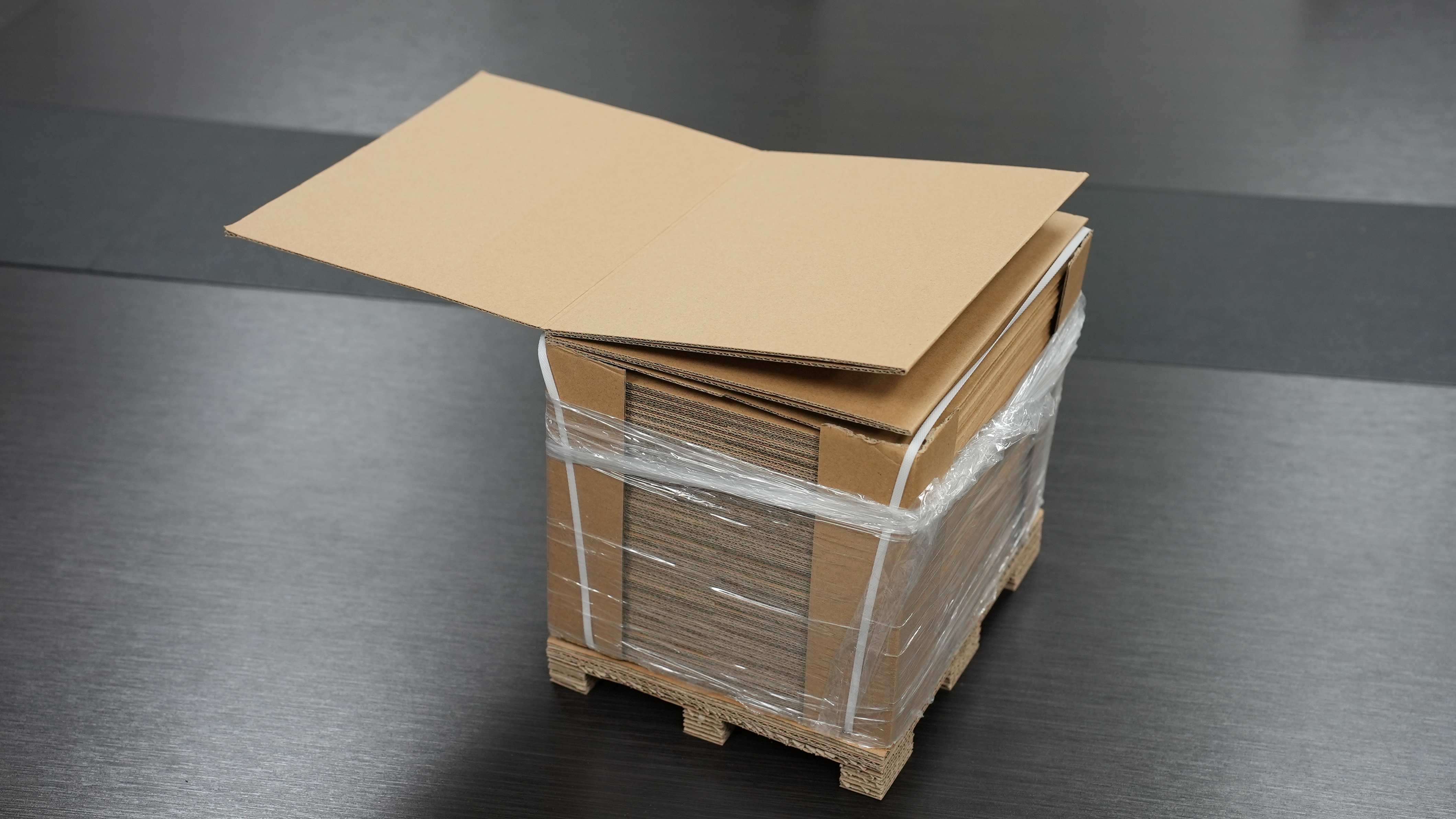
Fanfold corrugated cardboard comes in a continuous, accordion-folded stack rather than pre-assembled boxes. This design lets you create custom-sized boxes on demand, cutting out the need to store bulky pre-made boxes and reducing material waste by exactly fitting the product, which speeds up packing and lowers shipping costs.
Fanfold sheets lie flat until you cut and form them, so they take up a fraction of the storage space that rigid boxes require. A pallet of fanfold can replace a warehouse corner full of pre-assembled boxes, freeing up room for other inventory or equipment.
E-commerce and retail fulfillment centers benefit heavily due to high order variability, but furniture, automotive parts, and electronics industries also lean on fanfold because it easily adapts to oddly shaped or mixed-dimension shipments without stocking dozens of box sizes.
Yes, that’s one of their main strengths. Since you cut and score the board to match each item, you can pack everything from long, flat panels to cube-like goods with the same material feed, switching between sizes in seconds.
It helps in several ways. By making boxes that fit perfectly, you use less cardboard overall, reduce the need for void fill, and produce fewer offcuts. The material itself is typically high in recycled content and fully recyclable, so it supports circular packaging goals.
First, consider the upfront investment in a cutting table or automated machinery—simple manual setups are available too. You’ll also want to test your packing line’s speed and training needs, because operators need to get comfortable with on-the-fly box building, though most pick it up quickly.
When combined with proper internal cushioning, fanfold boxes shield fragile goods well. The corrugated flutes offer good compression strength, and since you tailor the box precisely, items don’t slide around, which cuts down on impact damage. Many electronics and glassware shippers rely on it.
Fanfold often wins on material cost per box, especially if you ship a wide range of sizes—your average box uses less cardboard than a one-size-fits-all alternative. Labor and equipment costs vary, but the reduction in void fill and dimensional weight charges usually tips the scales in its favor over time.
Conclusion
Modern packaging demands are shifting toward agility and waste reduction, making fanfold corrugated cardboard an increasingly vital tool. By rethinking on-demand packaging workflows, businesses can break free from rigid, pre-made box inventories that often lead to over-packaging and storage headaches. Instead, equipment that constructs custom-sized boxes right at the packing station lets teams respond instantly to varied order profiles. This approach pairs naturally with streamlined bulk material handling on the floor—fanfold sheets stack neatly on compact pallets, eliminating the clutter of hundreds of different box sizes. The result is a cleaner, safer workspace where materials are replenished less frequently and forklift traffic drops, all while custom cuts happen on the spot without waiting for die-cut sheets. The speed and precision of these cuts mean that even low-volume, high-mix items get perfectly fitted protection, reducing fillers and dimensional weight charges.
Beyond speed, fanfold solutions excel at minimizing box assembly friction and offering lightweight strength for irregular shapes. Machines that fold, glue, and seal in seconds remove the repetitive strain and inconsistency of manual taping, keeping throughput high even during peak periods. This matters most when dealing with oddly shaped products—multiple layers of corrugated can be scored and bent to cradle contours without adding excess bulk, maintaining protection while keeping postage weight low. Scaling eco-conscious wrapping habits becomes a natural outcome rather than an enforced policy; right-sized boxes mean less material used and fewer empty voids, which cuts down on waste disposal costs and appeals to customers who value sustainability. When these elements work together—responsive workflows, tidy material flow, instant customization, effortless assembly, adaptive strength, and a low environmental footprint—fanfold corrugated systems transform packaging from a bottleneck into a competitive advantage.
Contact Us
Contact Person: Mr. Ge Man
Email: [email protected]
Tel/WhatsApp: 8613710506492
Website: https://www.shitengzx.com