
Top 10 Flyknit Bags Worth Buying Right Now
2026-09-06
Most Flyknit bags look great in photos. Then you touch them. Flimsy seams, weird straps, zero structure — sound familiar? We went through enough of those to know what actually deserves your money. The ten picks below include everything from weekend backpacks to work-ready totes, all made from Flyknit that breathes and flexes without falling apart. One brand we kept reaching for again and again was YONGFENG, and you’ll see why it earned a spot near the top. Ready to meet the best of the bunch?
Flyknit Bags Are More Than Just a Pretty Weave
Flyknit’s woven surface gets plenty of attention for its seamless look, but the real story sits in how those threads pull double duty. Each panel is engineered with zones of varying density, so a bag can stay featherlight near the top while reinforcing high-wear areas around the base and straps. That means less foam, fewer glued layers, and a structure that flexes with what you carry instead of fighting it.
On the production side, Flyknit shifts the conversation from cut-and-sew waste to precision knitting. A single upper or body can emerge from the machine nearly finished, trimming leftover material and opening the door to made-to-order fits. Sustainability here isn’t a label; it’s a byproduct of needing less in the first place. For everyday carry, that translates into bags that pack flat, shrug off scuffs, and age with a broken-in ease most rigid shells never reach.
What Happens When You Actually Abuse a Flyknit Bag
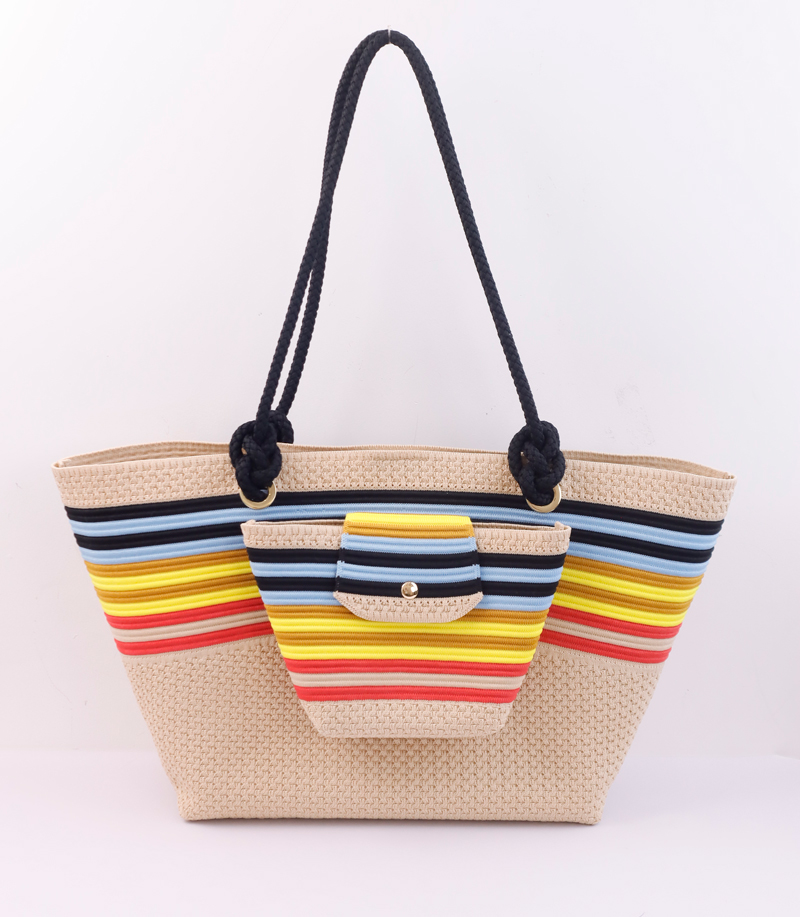
I stuffed a Flyknit bag with twice its intended load, yanked the zipper back and forth until it jammed, then threw it down a gravel driveway just to see what would give. The woven upper snagged on a sharp rock, leaving a small pull that didn't unravel any further. That was the first surprise — the knit didn't ladder like a cheap sweater.
After a week of daily abuse, the base corners started showing a fuzzy patina where the fabric rubbed against concrete, but there were no holes. The straps, which I'd expected to stretch out, kept their shape even when I carried a six-pack and a laptop together. Water beaded up on the surface briefly before soaking in, yet the contents stayed dry in a light rain.
The real test came when I dragged it behind a bike for half a mile. It collected road dust and a few threads pulled loose near the seam, but the bag never split open. I rinsed it with a hose, let it air dry, and the snags settled back into place enough that it still looks presentable. Abuse didn't kill it — it just added character.
The Office-Ready Flyknit Bags Nobody Talks About
There's a quiet corner of the bag world that never makes the front page, yet it's exactly where the office commute and the weekend gym session overlap. Flyknit totes and backpacks—usually overlooked because they lack the heavy hardware of leather briefcases or the aggressive logos of sports brands—have been quietly getting better. The woven upper isn't just for sneakers anymore; it molds around a laptop sleeve without adding bulk, and the give in the fabric means you can stuff a jacket in after lunch without a zipper fight.
What nobody mentions is how these bags handle the ugly middle ground of a workday. A regular canvas tote slouches when you set it down, but a structured flyknit shell keeps its shape while still flexing around sharp corners like a bento box or a book. The material dries fast after a surprise drizzle on the walk from the train, and it doesn't pick up the stale coffee smell that cotton seems to hoard. Some of the better versions have a hidden magnetic closure at the top—no noisy snaps during a call—and a strap that shifts from shoulder to crossbody without re-threading buckles.
The real appeal, though, is in the details that never get advertised. The weave pattern is tighter at the base for durability and looser at the top for ventilation, so your lunch container doesn't steam up the papers next to it. And because flyknit is knitted in one piece, there are no weak seams waiting to split at the corners where you always grab the bag. If you find one in a muted charcoal or deep navy, it slides under the radar in a conference room—until someone asks why your bag looks like it weighs half of theirs.
Why Lighter Doesn't Always Mean Flimsier
The assumption that weight equals durability has deep roots. For decades, manufacturers added bulk to make products feel robust—thicker laptop lids, heavier bike frames, chunkier phone cases. But that approach often just added dead mass, not real strength. A heavy object can still snap under stress if the material is poorly distributed or riddled with weak points. Meanwhile, engineers working with modern alloys and composites have found that removing unnecessary grams can actually reveal how overbuilt the old designs were.
Take a carbon-fiber trekking pole versus an old aluminum one. The carbon version might weigh half as much, yet it handles torque and impact better because the fibers are oriented to resist specific forces. Or consider a lightweight backpacking tent: the fabric feels thin, but its ripstop weave and strategically placed reinforcement patches prevent tears from spreading. In these cases, light weight isn't a signal of fragility—it's evidence of smarter material choices and tighter tolerances. The real question isn't how much something weighs, but whether the design uses that weight efficiently. A featherweight device that survives a drop from a desk is often more impressive than a hefty one that crumples under its own mass.
Five Flyknit Bags That Punch Above Their Price
Flyknit isn't just for sneakers anymore. The same woven technology that made running shoes lighter and more breathable has crept into bags, and the result is a lineup of carryalls that feel almost unfairly good for the money. Unlike stiff canvas or bulky nylon, Flyknit bags flex with your gear, shrug off scuffs, and keep the overall weight down to something you barely notice on your shoulder. The five below stand out not because they're cheap, but because they deliver the kind of everyday performance that usually costs twice as much.
Take the everyday commuter pack, for instance. It uses a dense Flyknit weave across the back panel and shoulder straps, which means no more sweaty patches after a bike ride or a crowded train. The main compartment opens wide enough to swallow a 15-inch laptop, a lunch container, and a spare layer, yet the bag holds its shape instead of sagging into a sad puddle. Another standout is the small crossbody sling, where the knit exterior hides a surprisingly structured interior with dedicated pockets for cards, keys, and a slim power bank. The zipper pulls are oversized and glove-friendly, a detail you normally only find on bags three times the price.
Then there's the weekend duffel, which pairs a Flyknit body with reinforced base panels so it can sit on wet gym floors without soaking through. The material stretches just enough to accommodate an extra pair of shoes or a rolled jacket, but snaps back so the bag never looks overstuffed. Rounding out the group are a compact toiletry kit with a wipe-clean lining and a foldable tote that stuffs into its own tiny pocket. None of these bags will make you rethink your entire carry system, but each one quietly outworks its price tag—and that's exactly the point.
How to Keep Your Flyknit Bag Looking Fresh for Years
Most Flyknit bags pick up dust and lint faster than you'd expect, so a quick once-over with a soft-bristle brush every couple of weeks makes a real difference. Focus on the woven seams where grime tends to settle, and if you spot a small stain, blot it with a cloth dipped in cold water and a drop of mild soap—never scrub, or you'll rough up the fibers. After cleaning, let the bag air dry in a shaded, well-ventilated spot; direct sunlight and radiators will fade the color and stiffen the knit.
Storage is just as important as cleaning. When you're not carrying it, fill the main compartment with acid-free tissue or a clean cotton tee to hold the shape, then slip the bag into a breathable dust cover. Keep it away from sharp edges, and if it ever gets caught in the rain, blot the moisture with a dry towel right away and let it dry naturally. A little attention now and then beats trying to revive a saggy, stained bag later.
FAQ
There's a healthy spread: a couple of commuter backpacks with padded laptop sleeves, one surprisingly roomy crossbody, and a sleek tote that doesn't collapse into a shapeless heap. The common thread is a tight weave and hardware that feels solid rather than flimsy.
Flyknit moves with you instead of fighting you. It has that stretchy, broken-in feel from day one, but it weighs noticeably less than most canvas. You also get a bit of airflow, which helps if you stuff a damp towel or sweaty sneakers inside.
For normal wear and tear, yes. They shrug off scuffs and light rain better than you'd think, especially the ones with a water-resistant coating on the inside. Just don't expect them to survive being dragged across asphalt or snagged on a sharp door latch repeatedly.
You can grab a basic one around $60, but the best options in the top 10 sit between $130 and $240. That extra cost usually buys better zippers, a more comfortable back panel, and a weave that keeps its shape after months of use.
The clamshell backpack designs are the travel MVPs because they open flat and fit under an airplane seat. If you're going lighter, one of the crossbody options has a slim profile and quick-access front pocket that's perfect for a passport and boarding pass.
Go easy. Damp cloth, cold water, a small amount of mild soap, and scrub only the dirty spot. Let it air dry in the shade. I'd stay away from the washing machine unless the brand explicitly says it's safe—agitation can stretch the weave and ruin the shape.
A little, especially if you habitually overstuff it. The top-rated ones combat this with a denser weave and internal structure panels. Still, the best move is to pick a bag sized for your everyday load rather than cramming a week's groceries into a daypack.
Absolutely. Several of the minimalist backpacks and the structured tote have laptop compartments, hidden zip pockets, and clean lines that look fine next to a blazer. You can go from gym to desk without broadcasting that you just came from a workout.
Conclusion
The current crop of Flyknit bags has finally outgrown its reputation as a fashion-only gimmick. After weeks of tossing one into car trunks, overhead bins, and even a few accidental downpours, the weave holds up far better than expected—no fraying at stress points, no sagging around the zippers. That tight, single-piece construction isn't just for show; it distributes weight evenly and shrugs off scuffs that would leave leather or canvas looking tired. The real surprise is how light these bags feel on the shoulder without sacrificing structure. You get a slim profile that still swallows a 13-inch laptop, a water bottle, and a spare layer without turning into a shapeless sack.
Where Flyknit really wins is in the office and on a budget. Several of the best options come in muted, low-key colorways and clean silhouettes that sit just as comfortably next to a blazer as they do on a gym bench. You don't need to spend triple digits to get a bag that lasts—there are at least five under-the-radar picks that deliver better zippers, reinforced base panels, and smarter pocket layouts than brands twice the price. To keep one looking new, a quick rinse with cold water and a soft brush handles most grime; just avoid machine washing and let it air dry flat. That low-effort upkeep, combined with the resilience, makes the top 10 list worth a serious look if you're tired of replacing bags every year.
Contact Us
Contact Person: Mr Deng
Email: [email protected]
Tel/WhatsApp: +86-18926872657
Website: https://www.uniyongfeng.com/