
Top 10 Pad-Mounted Transformer Factory Solutions for Reliable Power Distribution
2025-12-29
When it comes to ensuring reliable power distribution, pad-mounted transformers play a critical role in modern electrical grids. As industries and communities increasingly demand stable and efficient energy solutions, selecting the right factory for these essential components can make all the difference. In this blog post, we'll explore the top 10 pad-mounted transformer factory solutions that stand out for their quality, innovation, and durability, helping you make informed decisions for your infrastructure needs. At the forefront of reliable power distribution is CNKEEYA, a brand that consistently delivers cutting-edge transformer solutions tailored to diverse applications. Whether you're an engineer, project manager, or industry enthusiast, this guide will uncover key insights into the factories that drive excellence in power systems, promising to keep your operations running smoothly and efficiently.
Innovative Pad-Mounted Transformer Designs for Enhanced Grid Stability
In today's rapidly evolving energy landscape, pad-mounted transformers are stepping up to meet the demands for greater grid reliability. Engineers are reimagining these compact powerhouses with advanced cooling systems that dissipate heat more efficiently, preventing overloads during peak usage. By integrating smart sensors and IoT connectivity, these transformers now provide real-time monitoring of voltage fluctuations and temperature spikes, allowing utilities to proactively address issues before they escalate into outages. This shift from reactive to predictive maintenance is transforming how we safeguard our electrical infrastructure.
Beyond functionality, aesthetic and environmental considerations are driving innovation in pad-mounted designs. Modern units feature sleek, low-profile enclosures that blend seamlessly into urban and suburban settings, reducing visual clutter while enhancing safety with tamper-resistant features. Some models incorporate biodegradable insulating fluids and noise-dampening materials, minimizing ecological footprints and community disturbances. These thoughtful touches demonstrate how transformer technology is evolving to balance performance with public and planetary well-being.
Looking ahead, the integration of renewable energy sources like solar and wind is pushing pad-mounted transformers to new heights. Adaptive designs now include bidirectional power flow capabilities, enabling seamless energy exchange between the grid and distributed generation systems. With enhanced fault tolerance and modular components, these transformers ensure stable operations even as power sources become more variable. This flexibility is key to building a resilient grid that can weather both everyday demands and unexpected challenges, paving the way for a smarter, more sustainable energy future.
Key Features of Leading Factory Solutions for Efficient Power Distribution
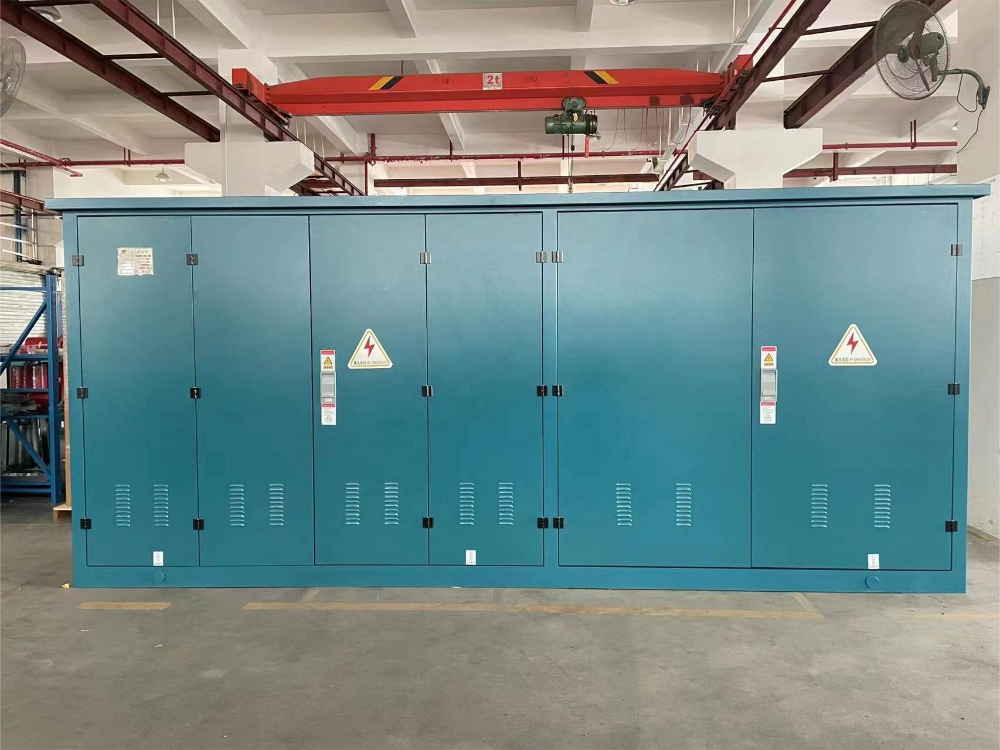
In modern industrial settings, top-tier factory solutions for power distribution prioritize flexibility to handle dynamic loads. These systems integrate smart monitoring tools that allow real-time adjustments, reducing energy waste during peak and off-peak hours. By leveraging advanced sensors and predictive analytics, facilities can anticipate demand shifts, ensuring consistent power flow without overloading circuits.
Another standout aspect is the emphasis on modular designs, which enable quick scalability as production needs evolve. Unlike rigid setups, these solutions use interchangeable components that simplify maintenance and upgrades. This adaptability means factories can expand operations or integrate renewable sources like solar panels without major overhauls, cutting downtime and long-term costs.
Safety and reliability are also enhanced through features like automated fault detection and redundant pathways. Leading systems incorporate fail-safes that isolate issues before they escalate, minimizing disruptions. Combined with user-friendly interfaces, these features empower operators to manage power distribution confidently, fostering a resilient and efficient industrial environment.
Customizable Options to Meet Diverse Industrial and Commercial Needs
In the fast-paced world of industry and commerce, we've found that one-size-fits-all solutions rarely cut it—they often leave gaps or force unnecessary compromises. That’s why our approach centers on flexibility, offering a range of customizable options that adapt to specific operational demands and workflows.
For example, in manufacturing, teams can adjust configurations for different production lines or integrate modular components to scale up quickly without retooling entire systems. In retail settings, options might include tailored software interfaces that streamline inventory tracking or point-of-sale setups aligned with seasonal promotions. By focusing on real-world adaptability, we ensure tools not only fit today’s needs but evolve alongside growing businesses.
Beyond basic adjustments, we emphasize deeper personalization, such as custom reporting features that highlight key metrics for leadership or specialized hardware setups for unique environments like cold storage or outdoor operations. This allows clients to prioritize efficiency and innovation, turning diverse challenges into opportunities for smoother, more cost-effective outcomes.
Robust Materials and Construction for Long-Term Reliability in Harsh Environments
In environments where extreme temperatures, corrosive agents, or heavy mechanical stress are the norm, the selection of materials and construction methods becomes a critical factor in ensuring durability. Manufacturers often turn to advanced alloys, composites, and corrosion-resistant coatings that have been rigorously tested under simulated harsh conditions. For example, stainless steel grades with high chromium content or specialized polymers can significantly extend the lifespan of components, reducing maintenance needs and avoiding costly failures in remote or inaccessible locations.
Beyond material choice, the construction process itself plays a pivotal role in achieving long-term reliability. Techniques such as precision welding, robust sealing against moisture and contaminants, and modular designs that allow for easy repairs are commonly employed. These methods not only enhance structural integrity but also provide flexibility in adapting to varying environmental challenges, ensuring that equipment remains operational despite exposure to factors like high humidity, salt spray, or abrasive dust.
Real-world applications, from offshore oil rigs to aerospace systems, demonstrate how robust materials and construction directly impact performance over decades. By integrating innovations like nanotechnology for surface protection or smart monitoring systems for early detection of wear, industries can move beyond basic durability to proactive reliability management. This approach not only safeguards investments but also contributes to safety and sustainability in some of the most demanding settings on the planet.
Smart Technology Integration for Real-Time Monitoring and Control
Integrating smart technology into monitoring and control systems isn't just about adding sensors; it's about creating a responsive ecosystem that adapts on the fly. By embedding AI-driven analytics directly within operational frameworks, organizations can move beyond simple alerts to predictive insights. This approach allows for seamless adjustments in real-time, minimizing disruptions and optimizing performance across diverse environments, from manufacturing floors to smart cities.
One standout feature is the use of edge computing, which processes data locally rather than relying solely on cloud servers. This reduces latency significantly, enabling quicker decision-making in critical situations. For instance, in energy grids or autonomous vehicles, split-second responses can prevent failures and enhance safety, making systems not only smart but also resilient and adaptable to changing conditions.
Furthermore, user-centric design plays a key role, ensuring that interfaces are intuitive and tailored to specific needs. By leveraging modular platforms, businesses can customize dashboards and controls without extensive re-engineering. This flexibility fosters innovation, allowing teams to experiment with new data sources or automation rules, ultimately driving efficiency and user satisfaction in dynamic operational landscapes.
Cost-Effective Installation and Maintenance Strategies for Utilities
Utility companies are constantly balancing the need for reliable service with the pressure to manage costs effectively, especially during installation and ongoing maintenance. Adopting cost-effective strategies in these areas not only optimizes operational budgets but also enhances overall system resilience and customer satisfaction. One innovative approach involves the use of modular and prefabricated components, which can be assembled off-site under controlled conditions, reducing labor costs and minimizing disruptions to the surrounding community. This method allows for quicker deployment and easier scalability, making it a smart choice for expanding or upgrading utility networks without breaking the bank.
Beyond initial installation, proactive maintenance plays a pivotal role in long-term savings. Instead of waiting for failures to occur, utilities are increasingly turning to predictive analytics and IoT-enabled monitoring systems. These technologies gather real-time data on equipment performance, enabling teams to identify potential issues before they escalate into costly repairs. For instance, sensors can detect anomalies in water pipes or electrical grids, prompting timely interventions that prevent outages and reduce emergency response expenses. By shifting from reactive to proactive maintenance, companies can extend asset lifespans and allocate resources more efficiently.
Collaboration with local communities and leveraging renewable resources can further cut costs. Partnering with residents for tree-trimming programs around power lines, for example, reduces the risk of outages caused by vegetation while sharing the financial burden. Similarly, integrating solar or wind energy into utility systems can lower installation and maintenance costs over time, as these sources often require less intensive upkeep compared to traditional fossil fuel infrastructure. Embracing such holistic strategies not only drives down expenses but also fosters sustainability, positioning utilities for a more resilient and affordable future.
FAQ
Pad-mounted transformers offer high reliability with features like robust enclosures for safety, efficient cooling systems, and easy maintenance access, ensuring consistent power supply in residential and commercial areas.
Pad-mounted transformers are designed with tamper-resistant enclosures and low profiles, reducing the risk of accidents and unauthorized access, which makes them safer for public spaces.
Key factors include the manufacturer's reputation for quality, customization options, compliance with industry standards, and after-sales support to ensure long-term performance.
Yes, many factories offer customization for voltage ratings, size, and additional features like noise reduction or enhanced insulation to fit unique distribution needs.
They are engineered with advanced materials and designs that minimize energy losses, improve load management, and support the integration of renewable sources, boosting overall grid efficiency.
Regular inspections, cleaning of cooling systems, checking for corrosion, and timely oil testing help maintain optimal performance and extend the transformer's lifespan.
Recent innovations include smart monitoring sensors for real-time diagnostics, eco-friendly insulating fluids, and modular designs that simplify installation and upgrades.
They are built with weather-resistant materials and protective coatings to withstand conditions like high humidity, temperature fluctuations, and corrosion, ensuring durability in diverse climates.
Conclusion
The top 10 pad-mounted transformer factory solutions offer a comprehensive approach to enhancing grid reliability through a blend of innovative designs and strategic features. By focusing on customizable options, these solutions cater to diverse industrial and commercial applications, ensuring that utilities can adapt to specific power distribution needs while incorporating robust materials and construction to withstand harsh environments.
Smart technology integration enables real-time monitoring and control, facilitating proactive maintenance and minimizing downtime. Additionally, cost-effective installation and maintenance strategies help utilities optimize operational efficiency, making these factory solutions a standout choice for dependable and resilient power infrastructure in today's dynamic energy landscape.
Contact Us
Contact Person: Queenie
Email: [email protected]
Tel/WhatsApp: +86 15558806611
Website: https://www.cnkeeya.com