
Top 10 Wafer Butterfly Valves: Ultimate Guide for Industrial Efficiency and Performance
2025-12-24
In the world of industrial fluid management, precision, reliability, and efficiency are non-negotiable. That's where wafer butterfly valves come into play—a critical component for optimizing performance in countless applications. But with so many options available, how do you choose the best? Welcome to our ultimate guide to the top 10 wafer butterfly valves, where we cut through the noise to help you make informed decisions that boost productivity and cut costs. At DRIFCO, we understand that selecting the right valve isn't just about specs; it's about ensuring seamless operations and long-term value. In this blog, we'll dive into key features, compare top models, and share insights that could transform how you approach valve selection. Whether you're an engineer, a procurement specialist, or simply passionate about industrial innovation, get ready to discover tools that elevate efficiency to new heights. Let's explore what makes these valves stand out and why they're essential for your success.
Essential Features of Wafer Butterfly Valves for Enhanced Industrial Operations
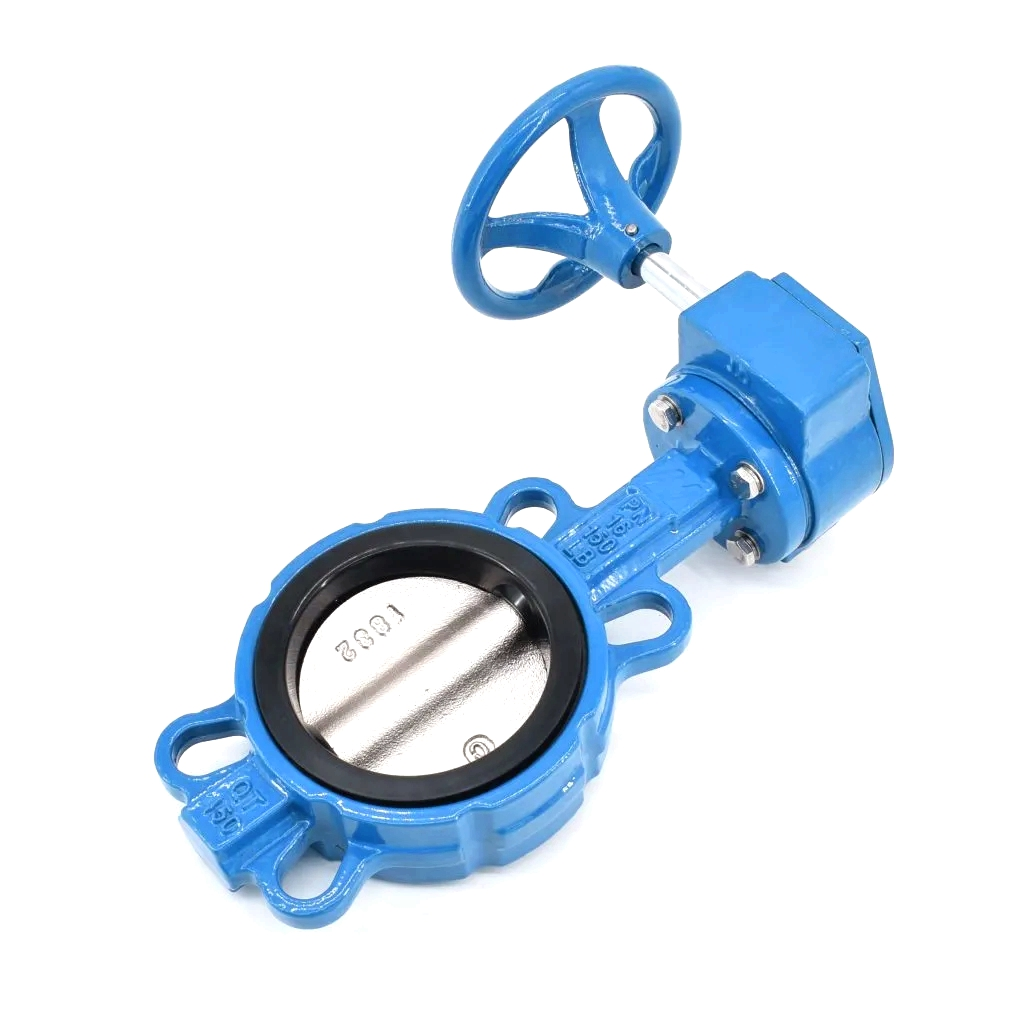
In modern industrial settings, wafer butterfly valves are prized for their compact design that seamlessly fits between flanges, reducing installation time and space requirements—a key factor when optimizing cramped or complex piping systems. Their lightweight construction not only eases handling during maintenance but also minimizes structural load, supporting more sustainable and cost-effective operations over time.
What truly sets these valves apart for enhanced performance is their precise flow control and low-pressure drop characteristics, which ensure efficient fluid management without sacrificing system efficiency. Often featuring robust materials like stainless steel or high-grade polymers, they resist corrosion and wear, making them ideal for demanding environments such as chemical processing or water treatment plants where reliability is non-negotiable.
Additionally, advancements like bi-directional sealing and easy actuation options allow for quick adjustments to meet fluctuating operational demands, boosting overall productivity and safety. This blend of durability, flexibility, and minimal upkeep positions wafer butterfly valves as indispensable tools for industries aiming to streamline processes and reduce downtime.
Comparing Top Models: Key Performance Metrics and Durability Insights
When it comes to selecting the best model in the market, diving deep into performance metrics is crucial. Look beyond basic speed—assess real-world benchmarks like processing efficiency under load, energy consumption during peak usage, and response times in varied scenarios. Don't just trust manufacturer specs; independent testing often reveals surprises that can sway your decision. By focusing on these tangible metrics, you'll gain a clearer picture of which model truly delivers on its promises.
Durability insights are just as important as raw performance numbers. Consider how different materials and build quality affect long-term reliability, especially under harsh conditions or extended use. User reviews and stress tests provide invaluable clues about a model's resilience over time. This isn't just about avoiding breakdowns; it's about investing in a product that maintains its edge without frequent maintenance or replacements.
Combining performance and durability data allows for a holistic comparison. A model that excels in both areas offers better value and fewer headaches down the line. Think of it as balancing immediate power with lasting strength—a synergy that defines top performers in any competitive field. Avoid fixating on one metric alone; instead, weave together insights to make a smart, informed choice that stands out from generic recommendations.
Installation and Maintenance Best Practices to Maximize Valve Lifespan
Proper installation is the foundation for extending valve lifespan. Start by ensuring the valve is compatible with the piping system—materials like stainless steel or brass should match to prevent galvanic corrosion. During installation, avoid over-tightening bolts, as excessive torque can warp seats or damage stems, leading to premature failure. Align the valve correctly with the pipe; misalignment puts undue stress on the valve body, which over time can cause cracks or leaks. Additionally, use appropriate gaskets and sealants to maintain a tight seal without compromising valve integrity. A careful, methodical setup not only prevents immediate issues but also sets the stage for long-term reliability.
Regular maintenance is key to keeping valves operating smoothly for years. Develop a routine inspection schedule to check for signs of wear, such as leaks, corrosion, or sticking mechanisms. Lubricate moving parts like stems and gears periodically with manufacturer-recommended lubricants to reduce friction and prevent seizing. For valves in harsh environments, consider more frequent cleanings to remove debris or buildup that could impede function. Don't wait for a breakdown—proactive maintenance helps catch minor problems early, saving costs and avoiding downtime. By staying ahead of wear, you can significantly extend the valve's service life and ensure consistent performance.
To truly maximize valve lifespan, go beyond basic upkeep by adopting smart practices tailored to your specific application. Monitor operating conditions closely, adjusting parameters like pressure and temperature to stay within the valve's rated limits. In corrosive or high-temperature settings, select valves with specialized coatings or materials designed for resilience. Train personnel on proper handling techniques, emphasizing gentle operation and avoiding sudden shocks that can damage internal components. Keep detailed records of maintenance activities and any repairs, which can inform future decisions and help optimize valve usage. With these strategies, you'll not only extend lifespan but also enhance overall system efficiency.
Innovative Materials and Designs Boosting Efficiency in Fluid Control
In fluid control systems, recent breakthroughs in material science are driving significant efficiency gains. Advanced composites and smart alloys, such as shape-memory polymers and nanostructured ceramics, are transforming valves and pumps by offering superior durability and reduced friction. These materials withstand extreme temperatures and corrosive environments, minimizing energy loss and maintenance needs. By integrating them into components, industries from aerospace to water treatment see enhanced flow regulation and longer operational lifespans, cutting costs and boosting overall system performance.
Beyond materials, cutting-edge designs are revolutionizing fluid dynamics. Computational fluid dynamics (CFD) and 3D printing enable the creation of optimized geometries, like helical flow paths and biomimetic structures, that reduce turbulence and pressure drops. Innovations such as microfluidic channels and adaptive control mechanisms allow for precise, real-time adjustments in fluid handling. This design-focused approach not only improves energy efficiency but also supports sustainability goals by minimizing waste and resource consumption in processes across sectors.
Together, these advancements in materials and design foster a new era of fluid control efficiency. Emerging trends like integrated sensors and IoT connectivity are further enhancing monitoring and automation, leading to smarter, self-adjusting systems. As research continues, the synergy between novel materials and innovative designs promises even greater strides in optimizing fluid flow for industries worldwide, making operations more resilient and eco-friendly.
Real-World Applications: How These Valves Optimize Plant Productivity
In modern manufacturing facilities, specialized valves play a crucial role in streamlining operations and boosting efficiency. For instance, in the chemical processing industry, advanced control valves precisely regulate flow rates of hazardous materials, reducing waste and minimizing downtime caused by manual adjustments. This not only cuts operational costs but also enhances safety, allowing plants to maintain continuous production cycles without interruptions.
Beyond traditional sectors, these valves are transforming renewable energy plants, such as biogas facilities, where they manage gas mixtures to optimize combustion and energy output. Unlike generic valves, custom-designed models adapt to fluctuating pressures and corrosive environments, ensuring longevity and reducing maintenance needs. As a result, plants can achieve higher output with fewer resources, contributing to both economic and environmental sustainability.
Moreover, in food and beverage production, automated valves facilitate rapid changeovers between product lines, cutting setup times by up to 30%. This flexibility enables manufacturers to respond swiftly to market demands, increasing throughput without compromising quality. By integrating smart valve systems with IoT sensors, plants gain real-time data insights, allowing proactive adjustments that prevent bottlenecks and maximize overall productivity.
Expert Tips for Selecting the Right Wafer Butterfly Valve for Your Needs
When you're on the hunt for the perfect wafer butterfly valve, start by clearly defining your operational conditions. Consider factors like temperature extremes, pressure ratings, and the nature of the media flowing through—whether it's water, chemicals, or slurries. This initial assessment helps narrow down material choices, such as stainless steel for corrosive environments or carbon steel for general use, ensuring the valve can withstand your system's demands without premature wear or failure.
Many overlook the importance of valve sizing and sealing mechanisms, but these details make a significant difference. Opt for a valve that matches your pipe dimensions precisely to avoid flow disruptions or leaks. Pay attention to the seat material—EPDM for water applications or PTFE for chemical resistance—and check if the valve offers bi-directional sealing if your system requires it. A well-sealed valve not only enhances efficiency but also reduces maintenance headaches down the line.
Don't just settle for the cheapest option; evaluate the total cost of ownership instead. A higher-quality wafer butterfly valve might have a steeper upfront price, but it often proves more economical in the long run due to durability and reliability. Look for features like extended service life, ease of installation, and compatibility with automation systems, which can boost performance and cut operational expenses. Investing wisely now means fewer replacements and repairs later, keeping your process running smoothly.
FAQ
Industries like water treatment, chemical processing, pharmaceuticals, and HVAC systems rely on wafer butterfly valves for their efficiency in controlling fluid flow with minimal pressure drop and easy installation.
Wafer butterfly valves typically offer greater durability due to fewer moving parts, require less maintenance than gate or globe valves, and are more resistant to corrosion in harsh environments, making them a cost-effective long-term solution.
Key factors include material compatibility (e.g., stainless steel or alloys for strength), seal type (such as resilient or metal seats to prevent leaks), pressure rating, and valve size to ensure reliable performance without failure under stress.
Yes, they can handle such fluids with modifications like using specialized materials like PTFE-lined bodies or hardened discs, and selecting appropriate seals to prevent wear and extend valve lifespan in demanding conditions.
Best practices include proper alignment with flanges to avoid stress, ensuring adequate gaskets for leak-proof seals, following torque specifications during tightening, and regular inspection post-installation to maintain optimal flow control and safety.
Advancements like improved disc designs and low-torque actuators reduce energy consumption by minimizing friction and optimizing flow, leading to significant savings in pumping and operational costs over time.
Common challenges include seal degradation from temperature extremes or chemical exposure, which can be mitigated by routine maintenance, using compatible materials, and training operators on proper handling to prevent premature failure.
Conclusion
Wafer butterfly valves have become indispensable components in modern industrial settings, offering a balance of efficiency, durability, and cost-effectiveness. This guide highlights essential features such as low-pressure drop, compact design, and ease of operation, which contribute significantly to enhanced industrial operations. By comparing top models, key performance metrics like flow capacity, sealing effectiveness, and torque requirements are analyzed, providing durability insights that help users select valves built to withstand harsh conditions. Additionally, the guide emphasizes installation and maintenance best practices—from proper alignment and gasket selection to regular inspections and lubrication—to maximize valve lifespan and prevent costly downtime, ensuring these components deliver long-term reliability in fluid control systems.
Innovations in materials and designs, such as corrosion-resistant alloys, advanced polymer seats, and streamlined discs, are boosting efficiency by reducing wear and improving flow characteristics. Real-world applications demonstrate how these valves optimize plant productivity in sectors like water treatment, chemical processing, and HVAC, where they regulate flow precisely and minimize energy consumption. To aid selection, expert tips focus on factors like pressure ratings, temperature compatibility, and specific industry requirements, helping users choose the right valve for their needs. Ultimately, this comprehensive guide not only ranks top models but also integrates practical knowledge, making it a valuable resource for achieving peak industrial performance through informed decision-making and proactive maintenance strategies.
Contact Us
Contact Person: George
Email: [email protected]
Tel/WhatsApp: 13863633883
Website: https://www.es-fire.com