
Top First Aid Box Factory Standards for Reliable Workplace Emergency Kits
2026-11-16
Every workplace emergency kit promises safety, yet too many fall apart when seconds matter. If you've ever wondered what separates a box that just ticks a compliance box from one that truly performs under pressure, the answer often lies in the factory behind it. This guide breaks down the standards that define reliable kits and why Kebon consistently meets them, so your team isn't left guessing in a crisis.
The Factory Floor Checks That Separate Reliable Kits from Wall Decoration
Most people never see the row of torque wrenches hanging on the assembly line, each one logged and checked at the start of every shift. That routine is what keeps a kit from becoming a static display piece. Bolts are not just tightened until they feel snug; they are pulled to a specified value, then rechecked by a second operator on a sample basis. If a batch slips outside tolerance, the line stops and the whole run gets audited. That kind of repetition is unglamorous, but it is the difference between a hanger that stays on drywall and a bracket that quietly fails after a few months.
There is also a less obvious set of checks around materials and finish. Raw steel lots are matched against mill certificates before cutting, and welds get hit with a wire brush and a flashlight rather than a quick glance. Powder coat thickness is measured in a few spots, not just on the show face. When a kit passes these checks, it means the parts were not made to look good in a photo; they were made to handle the weight, movement, and temperature changes of a real room.
The final audit is deliberately boring: a random box is pulled from the packing line, opened, assembled by someone who did not build it, and then disassembled to look for missing marks, stripped threads, or scratches. Reliable kits earn their place on the wall after surviving that unscripted trial. Decorative sets, by contrast, tend to skip the second operator, the material trace, and the test fit. The distinction rarely shows up in a product photo, but it becomes obvious the first time you actually use it.
Materials Chosen for Dust, Grease, and Rough Handling Instead of Photos
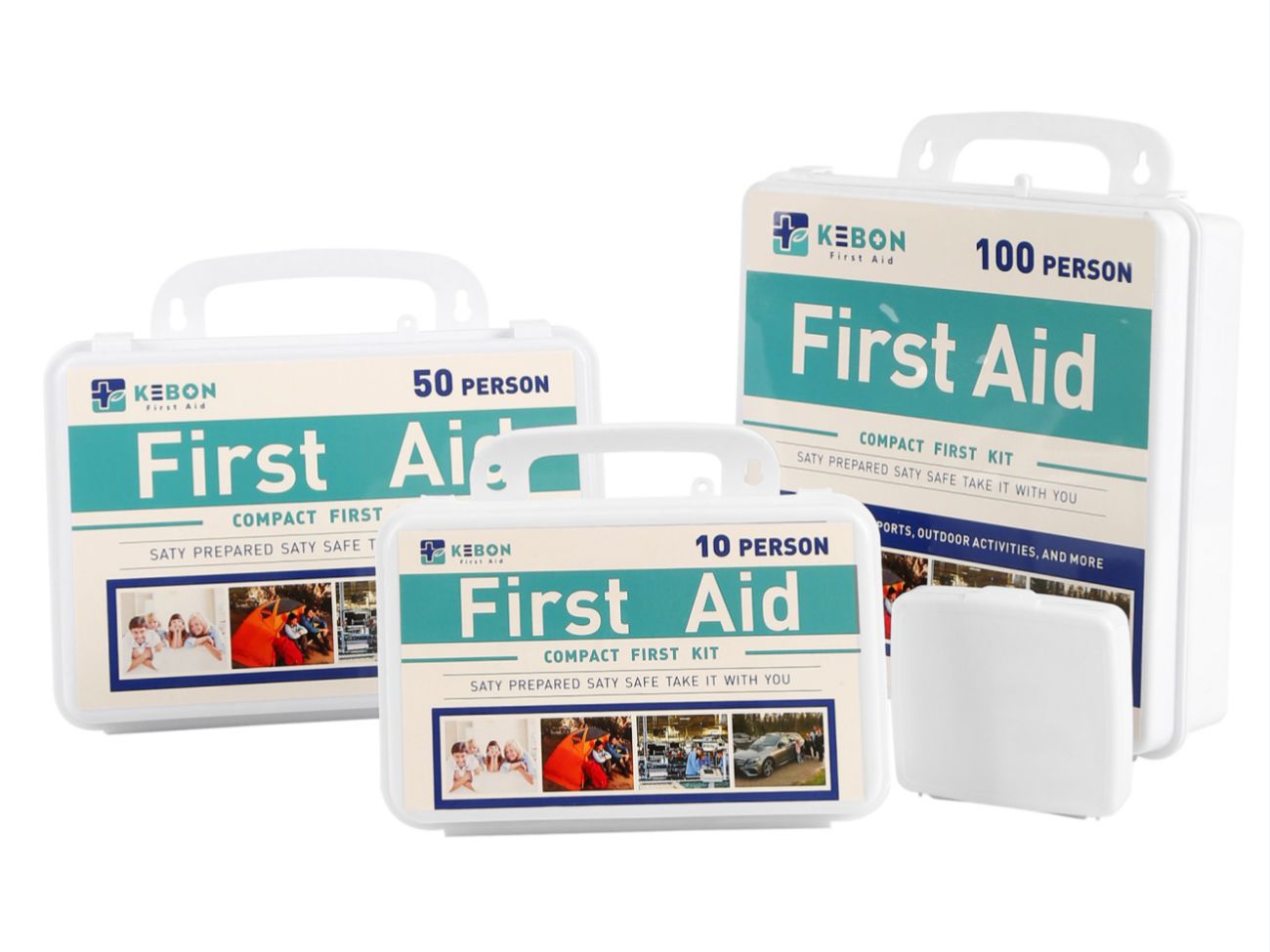
When the work environment punishes delicate surfaces, the choice of finish often matters more than the image printed on it. Dust settles into every crevice, grease smears across high-touch areas, and a dropped tool leaves a mark within the first week. That's why this product avoids glossy photo overlays and instead uses a matte, scratch-resistant polymer that hides minor abrasions rather than highlighting them.
The selected substrate also carries a slight texture, which gives fingers a confident grip even when coated in oil or fine particulate. Unlike smooth laminated photos that become slippery and show every fingerprint, this surface stays readable under workshop lighting and wipes clean with a dry rag or a quick solvent pass. The edges are reinforced to resist peeling when scraped against metal edges or shoved into a crowded drawer.
No printed image can survive constant rough handling without degrading into a smeared, illegible patch. By prioritizing the base material over decorative graphics, the design keeps essential markings visible for years. This approach suits maintenance tags, equipment labels, and control panel overlays where gloves, grit, and grease are part of the daily routine.
Assembly Steps That Catch Half-Stocked Kits Before They Leave the Line
A missing clamp or a single skipped label roll rarely gets noticed until someone opens the kit on-site. The fix starts at the point where parts are staged, not at final inspection. Operators place each bin in a fixed sequence and scan a location barcode before the next tray can be released. If the count for that station does not match the work order, the line pauses immediately and the screen shows the exact slot that came up short.
Weight checks add a second layer without slowing the pace. Each completed kit crosses a small scale tied to the order profile, so a half-stocked box trips a hard stop even when every barcode was scanned. The tolerance is set tight enough to catch one missing cable tie but loose enough to ignore normal packaging differences. When a kit fails, it routes to a short repair lane instead of continuing toward the shipping dock.
The real difference comes from closing the loop on the same shift. The operator who loaded the short kit gets a photo of the empty slot on their station screen, restocks it, and confirms the correction before the line restarts. That immediate feedback prevents a repeat miss on the next build and keeps the correction tied to the person who knows the station best.
Kit Configurations Built Around the Injuries Your Site Actually Sees
Most first aid kits are stocked for worst-case scenarios that rarely happen on a job site, while the cuts, burns, and sprains your crew actually deals with get treated with whatever happens to be left in the box. A smarter setup starts with a simple question: which injuries show up most often in your incident reports? From there, the kit becomes a working tool, not a wall-mounted afterthought.
For crews doing repeated manual handling or working around hot surfaces, that might mean more cold packs, burn dressings, and wide elastic bandages than a standard off-the-shelf kit provides. For sites with frequent minor lacerations, the priority shifts toward extra saline, wound closure strips, and single-use antibiotic packets. The goal is not to carry everything, but to carry the right quantities of what your own injury data already points to.
Building the kit this way also makes restocking easier. When everyone knows the kit is shaped around common injuries, replacement supplies match real usage instead of arbitrary checklists. It is a small adjustment that reduces downtime, keeps treatment consistent, and makes the kit feel less like a compliance box and more like part of how the crew works safely.
Batch Traceability That Makes Restocking and Audits Less Painful
Batch traceability turns the usual scramble into a straight line. Instead of digging through spreadsheets or guessing which pallet arrived when, staff can pull up a batch number and see exactly where it sits, how much is left, and what came in alongside it. Restocking stops being a memory game and starts being a simple lookup.
When an audit shows up unannounced, the pressure usually comes from not knowing whether the paperwork matches the shelves. With batch-level records tied to every receipt, transfer, and adjustment, the trail is already assembled. You can trace a single ingredient or finished item from arrival to current stock without reconstructing events from emails and handwritten notes.
The real payoff is less time spent proving what happened. Counts line up faster, discrepancies get pinned to a specific receipt or movement, and the back-and-forth with auditors shrinks to a quick review instead of a multi-day excavation. That makes restocking calmer and audits closer to a formality than a fire drill.
Final Inspection Routines That Reject Inconsistent Kits Before Shipping
Once assembly wraps up, operators compare each kit against a physical checklist that tracks part numbers, lot codes, and accessory counts side by side with the packing slip. Any mismatch stops the line immediately, and the kit is moved to a quarantine rack for a second look rather than being pushed toward the dock.
For high-mix orders, the final bench uses a simple weigh-and-scan pass: a tolerance band catches missing manuals or misplaced hardware that visual checks often miss. If a scanner flags a duplicate label or an unreadable barcode, the entire kit gets reworked before it can be sealed, so the customer never receives a box that looks right but isn't.
The shift lead signs off only on lots where every exception has been cleared in the log. That paper trail makes it easy to trace whether a rejection came from a supplier error, a picking mistake, or a packaging fault, and it keeps inconsistent kits from slipping out under time pressure.
FAQ
The difference shows up in material gauge and ribbing. Quality factories use cold-rolled steel from 0.8 mm upward and press structural ribs into the back panel so the cabinet does not flex when mounted. Cheaper boxes rely on paint to hide thinner stock, but they warp the first time someone leans against them.
A reliable line inspects steel coil thickness, flatness, and surface oil before cutting. They reject stock with visible lamination or rust bloom because those flaws weaken the corner seams later. Some also run a quick bend test on each batch to confirm the metal does not crack at the planned fold radius.
Loose dividers let heavier bottles shift during wall mounting or forklift vibration, which leads to cracked glass and leaked antiseptics. A tighter program cuts dividers to a five-millimeter or smaller clearance and adds foam retention pads where contents vary in diameter. That keeps items from banging together without making restocking difficult.
A latch that works on day one can lose spring tension after a few hundred cycles. Production lines that run a repeated open-close fixture catch weak pawls, misaligned strikes, and loose rivets before shipment. The standard often follows a minimum cycle count matched to the expected service life of the cabinet.
The gasket only seals when the door applies even pressure around the full perimeter. Factories measure compression force at several points and adjust hinge placement so there are no low-pressure gaps near the bottom corners. If the gasket is too thick or too soft, it can fold and create a channel for dust and mist.
A zinc phosphate pre-treatment plus a polyester powder coat gives better edge coverage than wet spray paint. The coating should be cured at the correct temperature so it hardens without becoming brittle. Factories that skip the pre-treatment often see rust start around punched holes and hinge screws within months.
The hole pattern needs to be checked against the actual back-panel stamping, not just the CAD file. Drilling after bending can shift alignment, causing the box to sit at a tilt when anchored. A checking fixture with pins confirms that wall brackets or keyhole slots line up so the cabinet stays level without forcing the screws.
Hardware sourced from multiple suppliers may look identical but differ in thread tolerance or plating thickness. A factory with batch traceability can isolate a bad run before it reaches hundreds of cabinets. It also makes replacement parts easier to match, which matters when a maintenance team repairs a door years later.
Conclusion
Most emergency kits look fine until someone actually needs them. The difference starts on the production floor, where checks are built around real failure points rather than a quick glance at the outside. Materials get selected for dust, grease, and rough handling, not catalog photos, so seals, hinges, and dividers hold up in places where kits get knocked around or left near machinery. Assembly is set up to catch half-stocked boxes before they leave the line, with weight checks, compartment counts, and step-by-step placement that make missing items hard to hide. Kit configurations come from the injuries a site actually sees, so a foundry kit does not look like an office kit, and a warehouse kit is not padded with supplies nobody will use.
Batch traceability ties every lot back to its components and inspection records, which makes restocking and audits less of a paperwork headache. Instead of guessing which version of a kit is on a wall, a safety manager can trace the batch number to its assembly date, component lots, and sign-off. Final inspection is the last gate: if a kit shows inconsistent seals, loose trays, or missing supplies, it gets pulled instead of shipped. Those routines are not about ceremony; they are what separate a reliable workplace kit from something hung on a wall for show.
Contact Us
Contact Person: Andy Yu
Email: [email protected]
Tel/WhatsApp: +86 19858933676
Website: https://www.kebonfirstaid.com