
Top Low Voltage Switchgear: Expert Reviews and Buying Guide
2026-08-05
Choosing the right low voltage switchgear can make or break your electrical system's reliability. In this guide, we cut through the noise with expert reviews and practical buying advice. You'll discover what truly matters—safety, efficiency, and long-term performance. We also spotlight trusted solutions like Deepwill that engineers rely on. Ready to make a confident choice? Let's dive in.
What Makes Low Voltage Switchgear Essential for Modern Infrastructure
Modern infrastructure relies on uninterrupted power distribution, and low voltage switchgear provides the first line of defense against electrical faults. It acts as a silent sentinel, constantly monitoring currents and disconnecting circuits within milliseconds when irregularities occur. This not only prevents equipment damage but also safeguards personnel from arc flash hazards, making it an invisible but critical backbone of every hospital, data center, and commercial complex.
Beyond basic protection, today’s switchgear integrates intelligent communication modules that feed real-time data into building management systems. This allows facility managers to track energy usage patterns, predict maintenance needs, and isolate faults remotely—transforming what was once a purely mechanical assembly into a smart grid component. In an era where downtime costs can reach thousands of dollars per minute, this proactive capability is no longer optional; it’s a competitive necessity.
Compact designs now pack more functionality into smaller footprints, a vital feature when space in electrical rooms comes at a premium. Modular construction further simplifies upgrades, allowing infrastructure to scale alongside growing demands without major overhauls. In essence, low voltage switchgear fulfills a dual promise: ensuring safety today while building in the flexibility tomorrow’s infrastructure will demand.
Key Features Experts Evaluate in Switchgear Performance
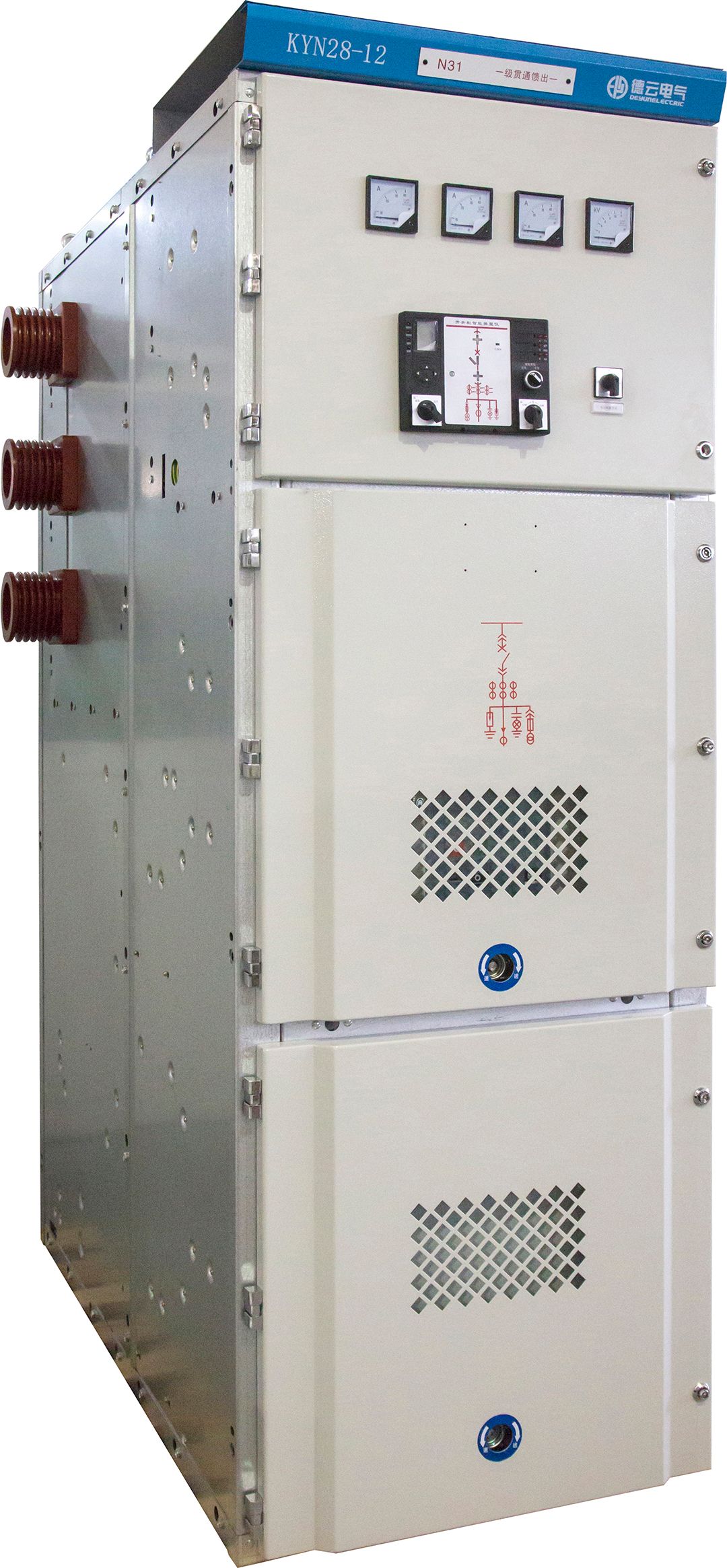
When assessing switchgear performance, seasoned professionals look beyond the basic specs. They start with arc-quenching capability—how swiftly and cleanly the equipment interrupts fault currents. A breaker that lingers even a few milliseconds too long can cascade into catastrophic failure, so experts scrutinize contact materials, chamber design, and the dielectric strength of insulating mediums like SF6 alternatives or vacuum bottles. Thermal behavior under continuous load is equally telling: hot spots at busbar joints or cable terminations often signal poor workmanship or degrading contacts long before an outage occurs.
Operational longevity hinges on mechanical endurance, often verified through type-test reports covering thousands of open-close cycles under rated load. But savvy evaluators dig deeper—they examine auxiliary switch alignment, lubrication specifics, and the true ease of manual operation when motor drives are offline. Another dimension frequently overlooked is internal arc containment. A robust switchgear not only withstands an arc fault but channels the blast safely away from personnel, a feature that separates commodity panels from truly engineered solutions.
Environmental resilience rounds out the checklist. Whether the gear is installed in a coastal salt-spray zone or an inland desert, corrosion patterns on enclosures, gasket integrity, and UV degradation of cable glands tell a story about long-term reliability. Increasingly, experts also evaluate smart readiness: embedded sensors for partial discharge, humidity, and contact temperature, along with seamless integration into plant-wide monitoring. The best switchgear doesn’t just pass factory tests—it proves itself adaptable to the real environments and the evolving demands of modern grids.
Navigating Safety Standards Without the Jargon
Understanding safety standards often feels like learning a new language. But the core idea is simple: these rules exist to keep people safe, whether at work or using products. Instead of getting lost in acronyms and technical terms, focus on what the standard actually requires you to do. Most standards boil down to identifying hazards, assessing risks, and putting controls in place.
A helpful approach is to ask straightforward questions: What could cause harm? How likely is it to happen? How severe would the outcome be? Once you have those answers, the standard helps you figure out what protective measures make sense. You don't need to memorize every clause; you just need to apply the logic to your specific situation.
Another tip is to look for practical guides or plain-language summaries provided by industry bodies or regulators. Many organizations create user-friendly checklists that translate complex requirements into easy-to-follow steps. Remember, the goal isn't paperwork perfection—it's creating a safer environment. If you can show you've tackled risks thoughtfully, you're usually on the right track.
Installation Pitfalls Even Seasoned Electricians Miss
With years of wiring panels and pulling cable, it's easy to believe you've seen every mistake in the book. Yet, subtle errors slip through even the most experienced hands. One overlooked detail is conductor length inside the box—too short, and you stress the terminal; too long, and you risk arcing against the enclosure. Codes give a minimum, but practical finesse often dictates exactly six inches of free conductor from the point of entry, neatly folded to avoid crowding.
Another silent menace is the mixing of metals without dielectric barriers. Seasoned pros might assume corrosion only haunts outdoor work, but dissimilar metals in a dry indoor panel corrode over time, especially when loaded, creating hot spots. A thin coat of antioxidant paste on aluminum lugs or proper bi-metal connectors can prevent a call-back years later.
Finally, torque specifications on breakers and neutral bars are frequently ignored. The "feel" of a tightened screw is subjective; a torque screwdriver removes the guesswork. Stripped threads or loose connections from under- and over-tightening mimic the same thermal failure patterns, yet the root cause stays hidden until a meltdown occurs. The factory spec is right on the device, but reading it after a long day tests discipline.
Maintenance Secrets That Extend Equipment Lifespan
Most equipment failures aren't sudden—they're the result of tiny, ignored signals that build up over time. A slight vibration, a faint odd noise, or a temperature shift that seems trivial can be early warnings. Instead of waiting for breakdowns, treat these whispers as your maintenance roadmap. Train your team to log and investigate even minor anomalies. That proactive curiosity can add years to a machine's life, because you're fixing the cause while it's still small and cheap to address.
Lubrication is often treated as a checkbox task, but it's actually a precision science. Using the wrong grease or over-greasing can destroy bearings faster than neglect. The secret lies in matching lubricant to specific load, speed, and temperature conditions. Then, set a schedule that considers actual operating hours, not just calendar dates. And don't overlook oil analysis—it's like a blood test for your equipment, revealing internal wear particles and contamination before anything shows up on the outside.
Cleanliness doesn't just make a machine look good—it prevents abrasive particles from entering sensitive gaps. Many hydraulic and pneumatic failures trace back to contaminated fluid or clogged filters. Build a discipline around filter changes, breather caps, and sealing systems. Also, keep the surrounding area dust-free, because air intake grilles and cooling fins rely on unobstructed airflow. A little daily wiping and a culture of orderliness can do more for lifespan than a major overhaul every few years.
Smart Selection: Matching Switchgear to Your Project’s Demands
Choosing the right switchgear isn't just about technical specs—it's about understanding how your facility actually operates. A manufacturing plant with heavy motor loads faces different stresses than a data center with sensitive electronics. Start by mapping out your daily power curve, peak demands, and any future expansion plans. The best match often comes from balancing upfront costs with long-term reliability, factoring in maintenance access and the skill set of your on-site team.
Environmental conditions play a huge but often overlooked role. Switchgear installed in a coastal area needs robust corrosion protection, while indoor units in a clean factory can be more streamlined. Think about ambient temperature, humidity, and even the presence of dust or chemicals. An arc-resistant design might be non-negotiable for personnel safety in tight spaces, but for a remote substation, you might prioritize remote monitoring capabilities instead.
Finally, don't underestimate the value of manufacturer support and part availability. A switchgear line that's widely supported in your region can drastically reduce downtime during faults. Ask suppliers about lead times for breakers and relays, and check whether their designs allow for easy retrofitting. Smart selection means looking beyond the datasheet—it's about fitting the gear to the rhythm of your project’s demands, both today and five years down the road.
FAQ
Low voltage switchgear refers to electrical distribution equipment that operates at voltages up to 1,000 volts. It's the backbone of power distribution in commercial buildings, industrial facilities, and large residential complexes, safely routing electricity from the main supply to various circuits while providing protection against overloads and short circuits.
Start by calculating your total connected load and anticipated future expansion. Consider the main busbar rating, number of feeder circuits, and any motor loads that require special handling. Consulting a qualified electrical engineer is always wise, as they'll factor in demand factors, voltage drop, and coordination with upstream protective devices.
Look beyond the nameplate. Prioritize robust arc-flash mitigation designs, ease of maintenance, modularity for future expansion, advanced metering and communication capabilities, and compliance with standards like IEC 61439 or ANSI/UL 1558. Real-world reliability data and local after-sales support are just as crucial as the initial specifications.
While specific models vary, companies like Siemens, Schneider Electric, and ABB are often benchmarked for their engineering depth and global support. Eaton and Legrand offer compelling mid-range solutions with strong digital integration. Niche players like L&T or Fuji Electric can provide excellent value for region-specific requirements. It's not just about the brand, though—the local integration partner matters enormously.
For international projects, IEC 61439 is the current benchmark, focusing on verified performance under all conditions. In North America, ANSI/UL 1558 and UL 891 are common. Always request certified test reports for temperature rise, short-circuit withstand, and arc-fault containment. Don't simply rely on a CE mark—dig into the actual type-test certificates.
Arc-flash events can cause severe injuries and equipment damage. Modern switchgear incorporates features like arc-resistant enclosures, fast-acting arc quenching devices, remote operation capability, and pressure-relief ducts to channel explosive energy away from personnel. When evaluating options, ask for IEEE 1584 calculations to understand the incident energy levels.
Fixed switchgear has circuit breakers permanently mounted inside the enclosure, while withdrawable (or drawout) units allow the breaker to be racked out on rails for safe isolation and maintenance without de-energizing the entire board. Withdrawable designs offer greater uptime and safety but come at a higher upfront cost and require more space.
Develop a scheduled maintenance plan that includes thermographic scanning of connections, exercising of switching mechanisms, verifying protective relay settings, and cleaning of insulation surfaces. Many modern units support online partial discharge monitoring and remote condition assessment. Never neglect the mechanical interlocks and door seals, as they are vital for maintaining the safety integrity over decades of service.
Conclusion
Low voltage switchgear quietly underpins the reliability of hospitals, data centers, and manufacturing floors—anywhere uninterrupted power is non-negotiable. Its true value lies not just in distributing electricity but in safeguarding equipment and personnel through fault isolation and arc-flash mitigation. Seasoned engineers look beyond brand names, zeroing in on interrupting capacity, temperature rise limits, and the real-world endurance of mechanical components. Modern units integrate digital monitoring, letting teams track thermal hotspots and breaker wear without guesswork. When it comes to safety standards, the secret is translating dense IEC or UL documents into practical choices: selecting the right form of separation or verifying short-circuit ratings before a single cable is terminated.
Field experience reveals that even careful installers overlook busbar alignment stress or cable bending radii that create hot joints over time—small mistakes that degrade performance years later. On the maintenance side, infrared thermography and controlled cycling of seldom-used breakers are simple habits that prevent seizure and extend life well beyond typical expectations. Smart selection starts with a detailed profile of the electrical loads, future expansion needs, and the physical environment. A panel that breathes easily in a dusty workshop might choke in a coastal area with salt spray. Matching the switchgear to the project’s real demands, rather than defaulting to oversized or generic specs, keeps both budget and uptime in balance. Ultimately, the best buying decisions blend technical scrutiny with a clear-eyed view of daily operational realities.
Contact Us
Contact Person: Julion
Email: [email protected]
Tel/WhatsApp: 8617351370631
Website: https://www.deyunelectric.com