
Ultrasonic Cavitation Machine Manufacturer Insights: Choosing the Right Partner for Your Aesthetic Business
2026-08-09
Choosing the right ultrasonic cavitation machine manufacturer can make or break your aesthetic business. With countless options flooding the market, how do you identify a partner that delivers on both innovation and reliability? Enter Omeina—a name trusted by top clinics for precision-engineered devices that consistently drive client satisfaction and ROI. In this guide, we’ll unpack the critical factors to consider, from technology standards to after-sales support, so you can confidently invest in equipment that elevates your services. Because when it comes to shaping body contours and your brand’s reputation, settling for less isn’t an option.
The Anatomy of a Reliable Manufacturing Partnership
A truly dependable manufacturing partnership isn’t built on contracts alone—it’s forged through shared values and mutual accountability. When both sides treat the relationship as an extension of their own operations, quality becomes instinctive rather than enforced. The foundation lies in aligning long-term goals, where the manufacturer invests in understanding your supply chain rhythms, market pressures, and end-user expectations as deeply as you do.
Beyond the formalities, reliability reveals itself in how problems are handled. Partners who proactively flag material inconsistencies, suggest process refinements, or absorb short-term disruptions without shifting blame demonstrate a rare maturity. This level of trust emerges only when communication flows freely across engineering, procurement, and leadership layers—not just during quarterly reviews but in everyday interactions. It’s the difference between a vendor who simply follows specs and one who treats your success as their own benchmark.
Finally, a resilient partnership weathers change because it is rooted in transparency. From real-time production data sharing to collaborative contingency planning, the anatomy of reliability shows itself in the unseen scaffolding: cultural compatibility, ethical sourcing alignments, and a willingness to evolve together. When these elements coalesce, the partnership becomes more than transactional—it becomes a strategic advantage that quietly powers your growth.
Decoding Technology: What Sets Superior Devices Apart
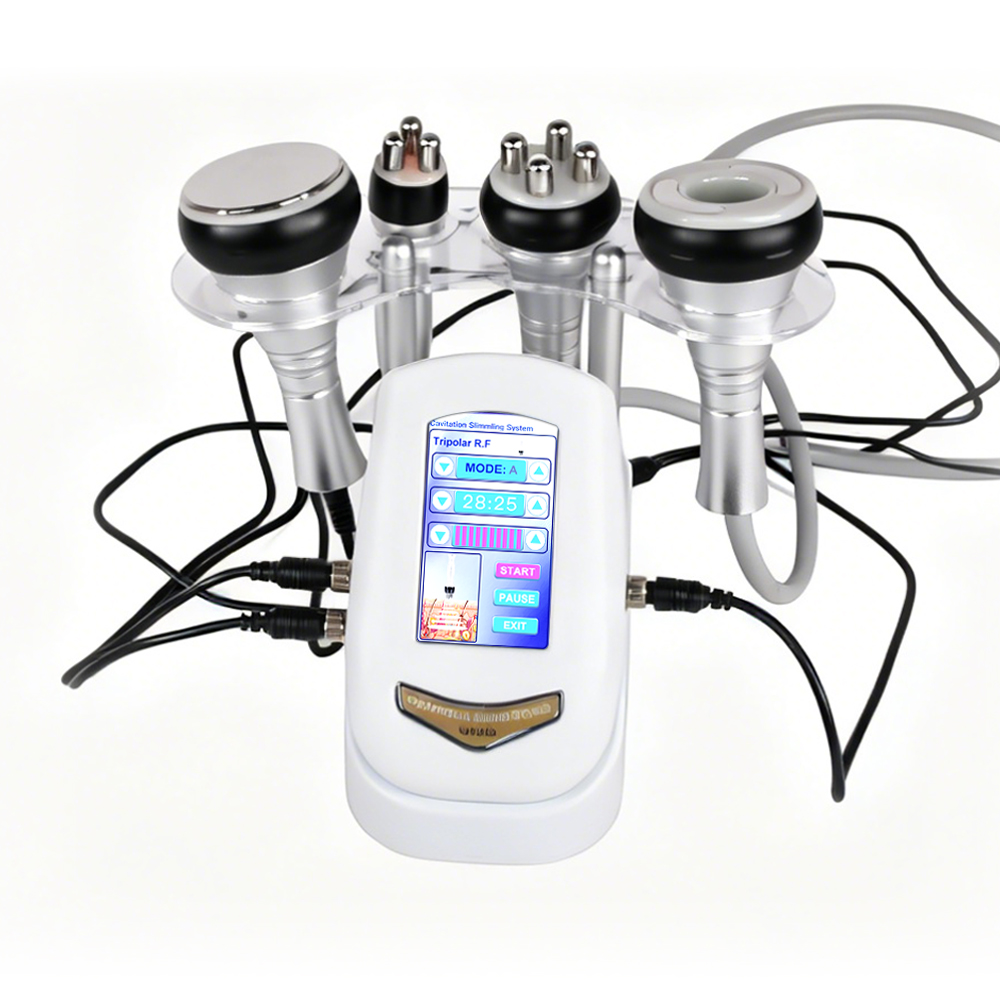
When you pick up a truly remarkable device, the difference isn’t just in the spec sheet—it’s in how every component works in quiet harmony. The best engineering doesn’t shout; it refines. From the tactile click of a button to the barely-there vibration of a motor, superior devices are built with an almost obsessive attention to the moments you don’t consciously notice. They predict your needs before you articulate them, not through flashy features but through subtle, intelligent design that fades into the background. That’s the first clue: a device that feels effortless is the product of immense effort.
Beyond the surface, what really separates the exceptional from the merely good is the interplay between hardware and software. It’s easy to pack in the latest sensors or a high-resolution display, but making them work together seamlessly is where many stumble. Superior devices use custom-tuned algorithms that adapt to your usage patterns, optimizing battery life, performance, and even screen color temperature based on real-world conditions. They don’t just offer a one-size-fits-all experience; they evolve with you, learning when to conserve power and when to unleash full performance—all without you ever needing to toggle a setting.
Finally, there’s a quality that’s hard to measure but instantly recognizable: a sense of cohesion. It’s the absence of friction between different functions, the way a device feels like a single unified tool rather than a collection of parts. This comes from a philosophy that values long-term reliability over short-term gimmicks. These devices rarely make headlines with isolated features; instead, they earn loyalty through daily dependability—a screen that’s always readable, a battery that rarely lets you down, and a physical form that feels just right in your hand years later. That understated excellence, more than any single innovation, is what makes them stand apart.
Customization Capabilities That Elevate Your Brand
Standing out in a crowded market requires more than just a quality product—it demands a presentation that feels unmistakably yours. Our in-house customization team treats your brand’s personality as the starting point, not an afterthought. From subtle logo embossing to full-spectrum color matching, we make sure every detail aligns with your visual story, creating a tactile and visual experience that your customers will instantly recognize.
We’ve built our process around speed and precision, so you’re never forced to choose between a quick turnaround and a premium finish. Advanced digital prototyping allows you to approve every element before production, eliminating guesswork and costly errors. Whether it’s a small-batch experiment or a large-scale rollout, our flexible manufacturing adapts to your scale without diluting the craft behind each piece.
Beyond standard options, we offer unconventional materials, bespoke shapes, and finish combinations that push boundaries while staying true to your identity. Every custom element is tested for durability and consistency, so your unboxing moment feels just as impeccable in a customer’s hands as it did in the design studio. It’s that quiet confidence in the details that turns a first-time buyer into a loyal advocate.
Safety Standards and Certifications That Matter Most
When evaluating equipment, it’s easy to get lost in a sea of logos and claims. But not all certifications hold equal weight. Focus on those backed by rigorous third-party testing and real-world performance validation—look for marks from agencies that enforce ongoing compliance, not just a one-time lab pass. Underwriters Laboratories (UL), Intertek (ETL), and CSA Group certifications, for example, indicate that a product has been independently assessed against stringent North American safety benchmarks. In Europe, the CE marking is mandatory, but for enhanced confidence, seek out TÜV or GS marks which involve additional scrutiny and factory inspections.
The credibility of a safety standard often hinges on its relevance to your specific industry and application. A certification that matters in a chemical plant might differ from one essential for food processing or consumer electronics. Pay close attention to standards that address the hazards you’re most likely to encounter: ingress protection (IP ratings) for dust and moisture, ATEX or IECEx for explosive atmospheres, or ANSI/ISEA for workplace protective gear. The most meaningful certifications are those aligned with your operational risks, not just the broadest ones a manufacturer could afford to obtain.
Beyond the label itself, the real value lies in how a certification is maintained. Responsible manufacturers invest in regular follow-up audits, production line testing, and transparent reporting—practices that separate a genuine commitment to safety from a marketing checkbox. When comparing products, ask for the test reports or certification scope to ensure the entire unit, not just a component, meets the standard. This deeper diligence often reveals whether a safety credential is a meaningful guarantee or merely a superficial stamp.
Beyond the Sale: Training and Ongoing Support
Real partnership doesn't end at the dotted line. We immerse your team in hands-on sessions tailored to how you actually work, stripping away jargon and focusing on practical, day-to-day workflows. Instead of generic manuals, you get live walkthroughs, role-specific guides, and direct access to the people who built your solution.
As needs evolve, support remains fluid. Whether it's a quick question via chat or a scheduled deep-dive into new features, our advisors mirror the pace of your growth. We proactively monitor usage patterns and reach out with tweaks that refine your output—sometimes before you even notice the friction.
The goal isn't just helping you operate a tool; it’s empowering you to outgrow its original scope. Through a blend of mentorship and responsive troubleshooting, we turn initial know-how into lasting self-sufficiency, making every interaction a stepping stone toward mastery.
Future-Proofing Your Aesthetic Business with the Right Choice
The aesthetic industry moves fast—today’s must-have treatment can feel outdated tomorrow. That’s why every decision you make about technology, training, and service offerings should be guided by durability, not just novelty. Look for platforms that support modular upgrades and cross-functional applications, so your clinic can adapt without ripping out the foundation every few years. A future-proof choice means you’re not chasing trends, but building a practice that can ride the waves of change effortlessly.
Scalability is another overlooked aspect of longevity. The equipment and protocols you invest in today should be able to grow alongside your business, accommodating higher client volumes or more advanced treatments without demanding a complete overhaul. Seek out partnerships that offer ongoing education and support, because a machine is only as good as the team using it. When you align with a partner that prioritizes your long-term evolution, you’re not just purchasing a device—you’re securing a pathway to sustained relevance.
Finally, don’t underestimate the power of a solid reputation built on consistent, reliable outcomes. Investments that consistently deliver visible results and prioritize client safety tend to weather economic shifts better than flashy, short-lived alternatives. By making choices rooted in quality and adaptability, you position your aesthetic business not just for the next few years, but for decades of meaningful service. The right choice is rarely the easy one, but it’s the one that keeps your doors open when others struggle to stay relevant.
FAQ
Start by checking if they have a solid track record in the aesthetics industry. You want a manufacturer that not only produces reliable devices but also understands the market you operate in. Look for certifications like CE or FDA clearance, consistent quality control processes, and genuine customer reviews. Don't be shy about asking for references or case studies from other clinics using their equipment.
It's absolutely critical. A machine is only as good as the support behind it. You need prompt technical assistance, access to replacement parts, and clear warranty terms. Imagine a machine going down during peak hours—a responsive support team can make or break your client relationships. Prioritize manufacturers offering training programs, software updates, and local service networks.
The real differences lie under the hood. Premium machines often feature advanced transducer technology that delivers consistent cavitation effects without hot spots, leading to better client comfort and results. They'll use medical-grade materials and have undergone rigorous safety testing. Cheaper units may cut corners on power regulation, leading to uneven treatment outcomes or faster component wear. You'll also notice refined ergonomics and software interfaces that streamline your sessions.
If you're building a brand, yes. An OEM/ODM arrangement lets you customize the device's appearance, interface, and sometimes the core technology to align with your brand identity. However, vet the manufacturer's design capabilities and intellectual property practices carefully. You'll want exclusivity in your region and assurance that the underlying technology isn't just a generic template.
Request detailed technical specifications and test reports from accredited labs. Look for data on the cavitation frequency, intensity, and homogeneity. Independent clinical studies—even small-scale ones—add credibility. If possible, visit their production facility to see quality control in action. Also, talk to existing users about their real-world experience; a honest manufacturer will facilitate such conversations.
Absolutely. For the US market, FDA 510(k) clearance (or at least registration) is non-negotiable if you want to avoid legal headaches. In Europe, look for CE marking under the Medical Device Regulation (MDR). Other respected certifications include ISO 13485 for quality management systems and RoHS compliance. Don't just accept a piece of paper—verify the certificate's validity on the issuing body's website.
We're seeing a shift toward multipolar systems that combine cavitation with radiofrequency or vacuum therapy for enhanced body contouring. Smart connectivity is also gaining ground, with apps that let you track treatment progress and adjust parameters remotely. Ergonomics are improving, too, with lighter handpieces and intuitive touchscreens. And there's a push for eco-friendly manufacturing and recyclable materials, which can be a selling point for environmentally conscious clients.
Build a relationship first. Once a manufacturer sees you as a long-term partner, they're often more flexible. Discuss order volumes openly—bigger commitments can unlock discounts. Request cost breakdowns so you understand where money goes (e.g., R&D vs. marketing). Ask about trade-in programs for older units. On payment terms, propose a staggered model: partial upfront, rest after delivery and training. And always have a legal expert review contracts, especially clauses about liability and warranty.
Conclusion
Choosing an ultrasonic cavitation machine manufacturer is not just about comparing specifications—it’s about identifying a long-term collaborator who can elevate your aesthetic brand. A truly reliable partnership goes beyond transactional exchanges; it involves a manufacturer that acts as a silent architect of your success, embedding quality and consistency into every device. The anatomy of such a relationship is built on transparent communication, shared technical expertise, and a willingness to adapt. When you dig into the technology, you’ll find that superior devices aren’t defined by buzzwords but by tangible engineering precision: energy delivery that remains stable over time, ergonomic handpieces that reduce operator fatigue, and software intelligence that tailors treatments in real time. Moreover, customization capabilities are what truly set a partnership apart. A manufacturer that offers bespoke branding, adjustable parameter presets, and even unique housing designs empowers your business to stand out in a crowded market. It transforms a generic machine into a signature tool that reinforces your clinic’s identity, fostering client trust and loyalty.
Equally critical are the often-overlooked pillars of safety standards and post-sale support. Certifications like FDA 510(k) clearance, CE marking, or ISO 13485 are non-negotiable indicators of a manufacturer’s commitment to regulatory rigor and patient well-being. But beyond badges, true diligence means verifying how the manufacturer handles post-market surveillance and adverse event reporting. The journey doesn’t end at the point of purchase. A partner worth its salt provides comprehensive training that goes beyond a simple manual—think hands-on workshops, updated clinical protocols, and responsive technical assistance that resolves issues without delay. This ongoing ecosystem of support transforms your investment into a sustainable asset. Finally, future-proofing your aesthetic business hinges on selecting a manufacturer that anticipates industry shifts. Whether it’s integrating next-generation transducer materials, updating software for emerging treatment protocols, or pivoting to accommodate new regulatory landscapes, the right choice ensures you’re never left behind. In a sector where innovation accelerates relentlessly, alignment with a forward-thinking manufacturing partner is the quiet cornerstone of enduring competitiveness.
Contact Us
Contact Person: Tina Liu
Email: [email protected]
Tel/WhatsApp: 8618681405932
Website: https://www.omeinabeauty.com/