
Used Truck Cranes Company: Essential Tips for Smart Buyers
2026-05-22
Buying a used truck crane isn’t just about the price tag—it’s about making a smart investment that won’t let you down on the job site. Whether you’re expanding your fleet or replacing aging equipment, knowing where to look and what to check can save you from costly mistakes. That’s where a trusted partner like JILIANG CHI comes in, bringing years of specialized experience to help you navigate the market. In this guide, we’ll walk through the essential tips that separate a wise purchase from a risky one, so you can lift with confidence.
Uncovering the Real Story Behind a Used Crane’s Past
Every used crane carries a hidden history, and peeling back those layers can feel like detective work. It starts with the obvious: maintenance logs, hour meter readings, and a close look at the hook, boom, and chassis for signs of strain or patch jobs. But the real clues often lie in the quieter details—faded inspection stickers from a decade ago, a faint weld seam that doesn’t match the factory pattern, or a serial number that traces back to a different model year than advertised.
Talking to the previous operators is where the story becomes personal. They can tell you about the day the winch groaned under a near-capacity lift, or the winter morning when the engine refused to start and someone bypassed a sensor. These conversations reveal patterns of care—or neglect—that no spreadsheet can capture. A crane that spent its life in a coastal yard may have hidden corrosion, while one that worked in a quarry might have subtle frame fatigue from constant vibration.
Finally, third-party records add the missing narrative. Insurance claims, OEM service bulletins, and even shipping manifests can confirm or contradict the seller’s claims. I once found a crane with seemingly perfect maintenance logs, only to discover through an old bill of lading that it had been loaded incorrectly in transit and had undergone a boom realignment that was never documented in the service file. Uncovering that past took effort, but it saved weeks of downtime later.
Key Mechanical and Structural Checks That Matter Most
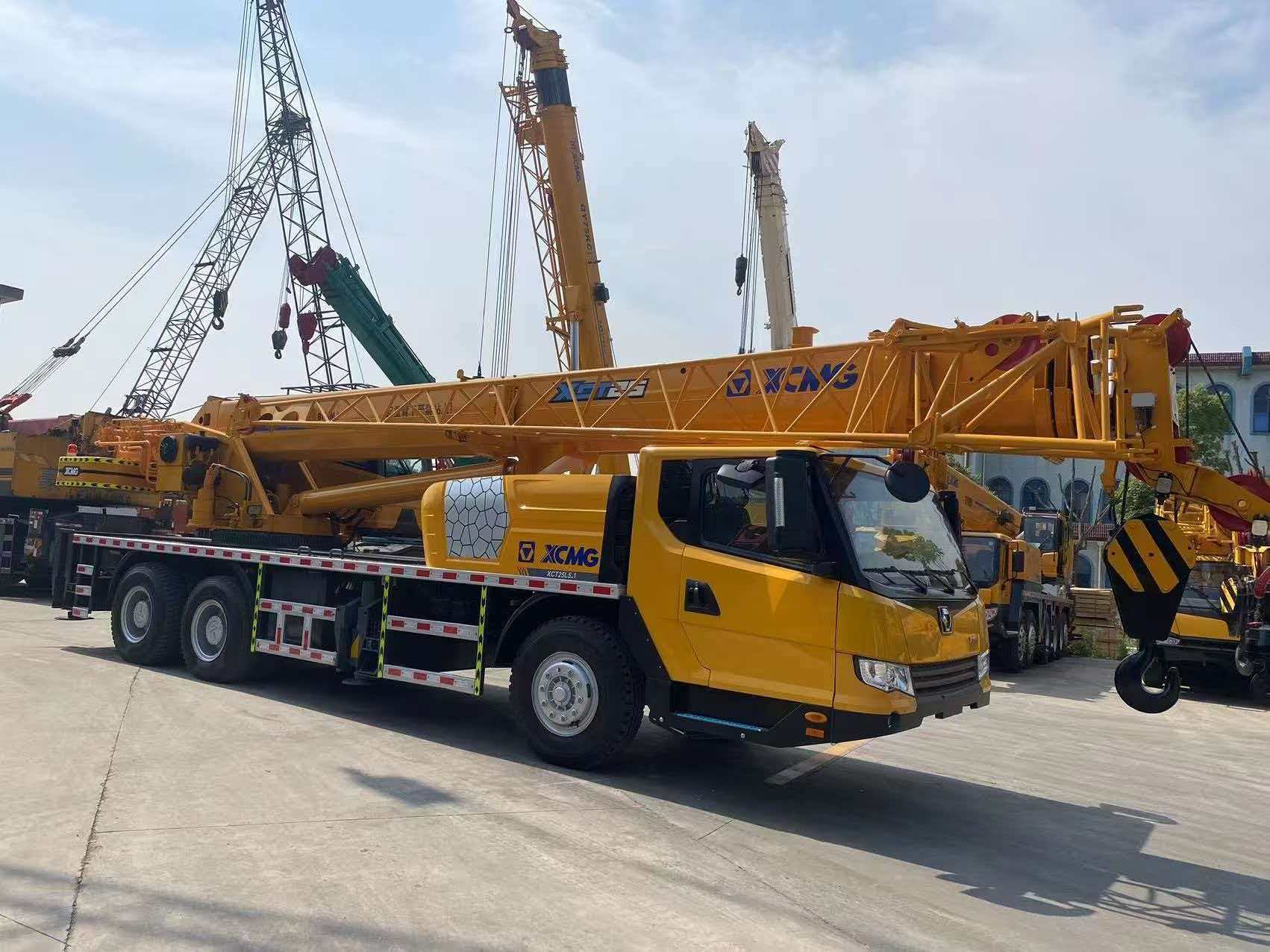
When evaluating a structure's integrity, the focus often narrows to a few critical checks that reveal the most about its health. Bolted and welded connections sit at the top of this list, as they are the vulnerable points where load paths concentrate. A thorough inspection here involves looking for cracking, corrosion, or loosening—signs that often indicate deeper stress redistribution or fatigue. Tapping bolts with a calibrated wrench can uncover tension loss, while dye penetrant tests on welds expose hairline fractures invisible to the naked eye. Missing these flaws can lead to progressive failure, so the attention given to joints directly shapes the reliability of the entire assembly.
Beyond connections, the overall alignment and deformation of primary load-bearing elements demands careful scrutiny. Checking for plumbness of columns, straightness of beams, and flatness of critical surfaces helps identify settlement, overload, or thermal distortion. Even a subtle out-of-plumb condition in a column can generate unintended bending moments, accelerating wear. In framed structures, measuring the gap between beams and their supports can expose unseating risks, while in shell or plate structures, mapping surface deviations against tolerance grids reveals buckling tendencies. These checks don’t just verify geometry—they uncover how the structure has been responding to real-world forces over time.
Finally, the condition of restraints and anchors ties everything together. Hold-down bolts, base plates, and tie rods are the quiet guardians against uplift, sliding, or overturning. Inspecting them means looking beyond the obvious—corrosion under a base plate’s grout, hairline cracks radiating from an anchor point, or signs of fretting at a pinned connection. Dynamic structures add another layer: checking for resonant response by tapping members and listening to the ring, or measuring damping in cable systems. These nuanced checks separate a casual walk-through from a genuine structural health assessment, ensuring that the structure’s defense against unexpected loads remains intact.
Navigating Brand, Model, and Configuration Choices
Picking the right brand, model, and configuration can feel like navigating a maze. Start by identifying what matters most: raw performance, battery life, portability, or upgrade flexibility. Each brand has a distinct philosophy—some prioritize sleek designs and seamless ecosystems, while others focus on raw power or budget-friendly options. A clear list of must-haves will help you cut through the noise and avoid getting sidetracked by flashy but irrelevant features.
Once you’ve narrowed down the brand, dive into specific model lines. Even within the same family, two laptops can behave very differently. A thin-and-light model might throttle under sustained load, while a bulkier workstation stays cool and consistent. Pay attention to the thermal design, port selection, and user-serviceability—these details often matter more in daily use than a spec-sheet race. Online reviews and community forums can reveal real-world quirks that official pages leave out.
Finally, choose the configuration with tomorrow in mind. It’s tempting to save money on RAM or storage now, but soldered components lock in your decision. If the laptop allows upgrades, a lower starting spec can make sense; otherwise, over-provision slightly. Also consider the screen—resolution, brightness, and color accuracy impact everything from reading to design work. Balancing what you need today with a little headroom for the future ensures your purchase ages gracefully.
Understanding True Ownership Costs Beyond the Price Tag
The sticker price is only the beginning of the story. When you buy a product, especially a big-ticket item like a car or a home appliance, the hidden expenses can quietly add up over time. Think about fuel, electricity, routine maintenance, replacement parts, and even the time you'll spend keeping it in working order. These ongoing obligations often outpace the initial cost and can catch you off guard if you haven't planned for them. By shifting your focus from the upfront number to the full lifecycle spend, you gain a clearer picture of what you're truly committing to.
Unexpected repairs and downtime can also take a toll on your budget and patience. A cheaper model might save you money now, but if it frequently breaks down or becomes obsolete faster, you'll end up paying more in the long run. Consider factors like warranty coverage, availability of service centers, and the average lifespan of the product. Sometimes, spending a bit more at the start for better build quality or a longer warranty means fewer headaches and lower cumulative costs over the years.
Then there's the resale or disposal phase. Many items lose value the moment you own them, but some hold their worth better than others. Knowing how well a product retains its value can influence your total cost calculation. Additionally, if the item requires special disposal methods or recycling fees at the end of its life, those are real costs too. Looking at the complete journey—from purchase to retirement—empowers you to make smarter, more financially sound decisions that align with your long-term well-being.
Verifying Maintenance Records and Hidden Repair Histories
Digging into a vehicle’s past isn’t just about browsing a neatly typed service booklet. The real story often hides in the details that don’t make it onto the official records. Start by crossing the documented maintenance with the car’s physical condition—oil change stickers on the windshield, date codes on filters, or uneven wear on parts that supposedly were replaced. A mismatch here is your first clue that the paperwork might be more of a fairytale than a factual account.
Don’t overlook the subtle signs of past trauma. Paint overspray on rubber seals, slight variances in panel gaps, or bolts with tool marks in the engine bay can expose repairs that a seller conveniently “forgot” to mention. Even a seemingly minor repair, if left off the history, raises questions about what else might be concealed. Look in the spare tire well, under the carpet, and along the door sills for unusual seam sealer or color differences—these areas rarely lie when a car has been patched up in a hurry.
Combine these physical checks with a thorough scan of electronic records when available. A vehicle might show a spotless dealer history, yet third-party databases or insurance claim logs often reveal a different tale. Pay attention to gaps in mileage recordings or service intervals that suddenly become erratic—they can point to unlogged accidents or deferred repairs. Remember, a clean paper trail is easy to create, but the metal, plastic, and rubber of the car itself will always hold the more honest narrative.
Smart Negotiation Tactics and Final Purchase Steps
Approaching the final stage of a purchase isn’t just about haggling—it’s about knowing exactly when to stand firm and when to bend. Start by anchoring your position with data from multiple sources, not just what the seller provides. Mentioning a competitor’s offer casually, without appearing aggressive, often triggers a more flexible response. Silence can be your strongest tool; after making a counteroffer, resist the urge to fill the quiet. Let the other side process and respond on their own. This small pause often leads to concessions you wouldn’t have gotten by talking too much.
Once terms are agreed upon verbally, move quickly to formalize everything in writing. A handshake means little if the details aren’t double-checked. Scrutinize the fine print for extra fees, warranties, or penalties you didn’t discuss. If something feels rushed or vague, ask for clarification without hesitation—this signals you’re a careful buyer, not a pushover. Never skip a final inspection or walkthrough, whether it’s a car, a home, or a service contract. Catching a discrepancy at this stage can save you from headaches that no polite negotiation can undo later.
Consider bundling requests rather than making them one by one. If you’re asking for free delivery, an extended warranty, and a slight price drop, present them as a package—it’s psychologically easier for a seller to say yes to a single “ask” than to concede multiple times. End the process by confirming the post-purchase support in writing. Knowing who to call when something goes wrong is just as crucial as the deal itself, and it seals the negotiation with a layer of trust that’s often overlooked.
FAQ
Start with the crane’s service log. A well-documented history reveals whether routine maintenance was actually performed and if any major repairs were done. Pay close attention to hydraulic system records — leaks or pressure issues there can lead to expensive fixes.
Look beyond fresh paint. Bring a flashlight and inspect the boom, outriggers, and chassis for hairline cracks or welds that seem out of place. Corrosion around connection points often hints at deeper structural fatigue. If possible, have a certified inspector perform a magnetic particle test on critical areas.
Hour meters can be disconnected, replaced, or simply reset. Instead of relying solely on that number, cross-check it with engine and hydraulic pump wear patterns. Examine the operator’s cabin for pedal erosion, seat degradation, and control sloppiness — those tell a more honest story about actual use.
Definitely. Ask if the crane ever worked in corrosive environments like coastal or chemical sites. Inquire about any tip-overs, overload incidents, or boom contact accidents. A seller who hesitates or gives vague answers on these points should raise a red flag.
Original load charts are your blueprint for safe operation. Verify they match the crane’s current configuration — if the boom or jib has been modified, the charts become useless. Missing or photocopied charts often indicate the unit may have been altered without proper engineering approval.
Operate all functions through their full range while listening for unusual whining or grinding. Check cylinder rods for scoring or pitting, and inspect all hoses for dry rot or abrasion. After running the crane, let it sit and look for any fluid drips — a dry machine is a good sign.
A third-party inspection from a firm specializing in lifting equipment is invaluable. They’ll have the specific tools and experience to detect boom deflection, slew ring wear, and wire rope condition that a general mechanic might miss. The upfront cost is minimal compared to the risk of a catastrophic failure later.
Many focus only on the purchase price and forget to factor in upcoming maintenance. Check the age of the tires, the condition of the wire rope, and when the next major inspection is due. Use those costs as leverage — a crane needing new tires and a rope in six months isn’t the same deal as one fully up to date.
Conclusion
Buying a used truck crane isn't just about finding a machine with a fair price—it's about peeling back layers of history and engineering to avoid costly surprises. The real story lies in the hours on the meter, the rust patterns on the boom, and the faded maintenance logs tucked in the cab. A crane that spent its life hoisting HVAC units in a dry climate will have very different wear than one that wrestled steel beams through salty coastal air. Forensic-level scrutiny pays for itself: walk the bearing surfaces, check the slew ring for tight spots, and listen for the groan of a struggling hydraulic pump. Never settle for a verbal promise; push for detailed service records, oil analysis reports, and load test certificates. Savvy buyers know that a well-documented past trumps a fresh coat of paint every time.
Beyond the purchase price, ownership costs can blindside the unprepared. A bargain-priced crane with a thirsty engine, scarce parts for an orphaned brand, or a reputation for boom cracks will drain budgets faster than a monthly payment. Compare models not just by load chart but by real-world fuel burn, availability of local tech support, and what your insurance underwriter thinks of the serial number. Negotiation should be rooted in data: bring your own inspection report, flag every hydraulic weep and out-of-date slew bearing service, and let the seller know you've done homework on recent auction comps. The final step isn't signing a check—it's lining up the low-boy and planning the immediate proactive service that turns a newly bought used crane into a reliable fleet workhorse from day one.
Contact Us
Contact Person: Sally Xiao
Email: [email protected]
Tel/WhatsApp: 086-18221477398
Website: http://www.shjiliangchi.com/