
Wholesale Ammonium Polyphosphate: A Comprehensive Guide for Fire Safety and Agriculture
2026-06-29
In fire safety and agriculture, ammonium polyphosphate (APP) quietly powers everything from flame retardants to high-efficiency fertilizers. Yet sourcing it in bulk can feel like navigating a maze of quality claims and supply chains. That’s where X.X.F.R steps in — bringing clarity to wholesale APP with a guide that cuts through the noise and puts practical insight first.
APP Unveiled: Bridging Fire Safety and Agriculture
An innovative mobile application has emerged, uniquely positioned at the intersection of fire safety and agriculture. Designed to tackle the persistent threat of wildfires and accidental burns on farmlands, this app equips farmers and rural communities with real-time monitoring tools, risk assessment features, and instant alert systems. By integrating localized weather data, soil moisture levels, and vegetation dryness indices, it predicts fire-prone zones long before a spark ignites.
Beyond prevention, the platform fosters rapid response coordination. When a fire is detected through on-ground sensors or satellite imagery, the app immediately notifies nearby users and emergency services, while also suggesting optimal evacuation routes and safe gathering points. Agricultural assets—livestock, equipment, and stored harvests—are catalogued within the app, allowing responders to prioritize protection efforts based on value and vulnerability.
What sets this tool apart is its dual-purpose design: it doesn’t merely shield farms from fires, but also educates growers on sustainable practices that naturally reduce fire risks, such as strip cropping, controlled grazing, and proper irrigation scheduling. This holistic approach turns a safety device into a long-term agricultural companion, reshaping how rural populations coexist with fire-prone landscapes.
From Flames to Fields: The Dual Role of Ammonium Polyphosphate
Ammonium polyphosphate (APP) might sound like a mouthful, but its story is one of remarkable versatility. Born out of a need to tame fire, this inorganic salt has found a second life nourishing crops. Its molecular backbone, a chain of phosphate units linked by nitrogen, holds the secret: when heated, APP swells and forms a protective char layer that smothers flames. Yet, when placed in soil, microbial activity slowly breaks it down into plant-available phosphorus and ammonium, delivering a steady meal of essential nutrients. This dual personality makes APP a quiet workhorse in industries that rarely overlap.
In fire safety, APP is the unsung hero inside coatings, plastics, and textiles. Unlike older halogenated flame retardants that came with environmental baggage, APP works by intumescence—puffing up into an insulating foam when things get hot. This not only cuts off oxygen but also stops the drip of molten plastic that can spread fires. Because it’s polymer-based and not a physical additive, it blends seamlessly into materials without leaching out over time. The result? Safer electronics, calmer furniture, and building materials that hold up longer under heat, all without the toxic smoke of earlier solutions.
But APP’s slow-release superpower is just as critical in agriculture. Field trials show that when applied as a granular fertilizer, it outlasts conventional phosphorus sources, reducing runoff into waterways and preventing algae blooms downstream. Farmers in phosphorus-scarce regions are taking note—they can use less product while getting better root development and earlier flowering. It’s a circular economy twist: the same chemistry that shields a sofa from sparks can later break down in the earth to push a blade of wheat toward the sun. That quiet crossover is what makes ammonium polyphosphate a material worth watching, far from the lab bench.
Why Fire Safety Experts Are Turning to This Compound
For years, the industry relied on halogenated flame retardants without fully grasping the long-term consequences. The shift began when researchers uncovered that some of these additives persist in the environment and accumulate in living tissue, raising serious health flags. Fire safety professionals started looking for alternatives that wouldn't compromise on protection while eliminating these hidden risks. That search led them straight to this particular compound, which offers a cleaner, more sustainable approach to suppressing flames.
What sets this compound apart isn't just its effectiveness in slowing ignition—it's how it performs under real-world conditions. Unlike traditional options that release dense, toxic smoke when heated, this material forms a stable char layer that insulates surfaces with minimal off-gassing. Firefighters on the ground have noticed the difference: fewer respiratory hazards during containment, and structures that hold up longer before collapse. It's a practical upgrade that makes everyone safer, from occupants to first responders.
Another driver of adoption is the tightening web of regulations worldwide. Building codes and product safety standards are increasingly stringent, and many legacy flame retardants simply can't meet the new criteria. This compound, however, checks all the boxes—it's effective at low concentrations, doesn't leach out over time, and aligns with green building certifications. For architects and engineers, it represents a future-proof solution that sidesteps the liability of outdated chemistry while delivering robust fire resistance.
The Farmer’s Secret Weapon: How APP Enhances Plant Nutrition
For years, growers have quietly relied on a powerful ally beneath the soil surface: ammonium polyphosphate, commonly known as APP. Unlike traditional granular fertilizers that sit idle until rain, APP dissolves instantly and moves quickly to the root zone, delivering a concentrated burst of phosphorus and nitrogen exactly when crops need it most. This liquid formulation eliminates the guesswork of nutrient availability, giving plants an immediate and sustained energy boost that often remains unnoticed by the casual observer but is unmistakable in yield maps at harvest.
The real genius of APP lies in how it manipulates the soil chemistry to keep phosphorus from locking up in the ground. In many soils, phosphorus quickly binds with calcium or iron and becomes useless to plants. APP releases small amounts of organic acids that temporarily alter the rhizosphere pH, creating a brief window where phosphorus stays soluble and mobile. This means roots spend less energy foraging and more energy growing, leading to denser root systems that explore more soil volume and capture water and other nutrients with surprising efficiency.
Farmers who integrate APP into their fertilizer program often notice a visible difference in canopy color and uniformity, indicators of a well-fed crop. By spoon-feeding phosphorus during critical growth phases, plants develop stronger stalks, faster flowering, and more consistent fruit set. It’s a straightforward concept: delivering nutrition in a form that plants can immediately use reduces stress and maximizes genetic potential, turning a simple liquid additive into a silent partner that quietly boosts both volume and quality without any extra machinery or effort.
Smart Sourcing: A Buyer’s Guide to Wholesale APP
Finding the right wholesale app isn't just about downloading the first option that pops up. It's a deliberate process of matching the platform's capabilities with your business needs—whether you're restocking a boutique or scaling a distribution network. Pay attention to supplier verification methods, order transparency, and how the app handles communication delays. A smart buyer looks beyond flashy catalogs and examines how the platform manages logistics quirks, payment holds, and return policies before committing.
One overlooked aspect is how the app supports your sourcing rhythm. Some platforms are built for rapid, low-volume reorders with instant chat, while others suit bulk negotiations spanning weeks. The right tool should mirror your procurement style, not force you into a rigid workflow. Test how the search filters handle niche product specifications, and whether the recommendation engine actually learns your preferences rather than pushing generic bestsellers. These subtle efficiencies compound over time, turning a decent app into a strategic asset.
Finally, go beyond the feature list and scrutinize the community around the app. Active forums, transparent dispute resolution records, and real-time inventory feeds often indicate a healthier ecosystem than a sterile interface with no user footprint. Smart sourcing means recognizing that the app is just a gateway—the real value lies in the network of suppliers, the consistency of quality signals, and how effortlessly you can adapt when a product line suddenly shifts.
Getting the Most Out of APP: Application Know-How
Many people treat apps as one‑size‑fits‑all tools, never straying from the default settings. The real magic happens when you dig into personalization options—reorganizing dashboards, adjusting notification filters, or customizing gestures. These tweaks aren’t just cosmetic; they reshape how you interact with the tool, cutting out repetitive steps and surfacing exactly what you need at the moment. It’s like training the app to think a little more like you do.
Beyond settings, look for shortcuts that hide in plain sight. Long‑press menus, swipe actions, and shake‑to‑undo are rarely spelled out but can become muscle memory once discovered. Some apps even let you chain actions together through built‑in automation features, so a single tap triggers a sequence of tasks. Experimentation is key—try holding down different icons, swiping in unexpected directions, or checking the app’s “labs” section if it exists.
Finally, don’t underestimate the value of revisiting an app after updates. Features evolve, and what seemed limited six months ago might now house the exact solution you’ve been seeking. Set a reminder to explore release notes or simply poke around the menus every few weeks. The goal isn’t to master every feature but to keep your toolkit sharp, adapting it as your own habits shift.
FAQ
Ammonium polyphosphate, often abbreviated as APP, is an inorganic salt that serves as a high-quality flame retardant and a slow-release fertilizer. In fire safety, it’s a key component in intumescent coatings, plastics, and textiles because it promotes charring and cuts off oxygen supply. In agriculture, it delivers phosphorus and nitrogen gradually, improving crop yield without frequent reapplication.
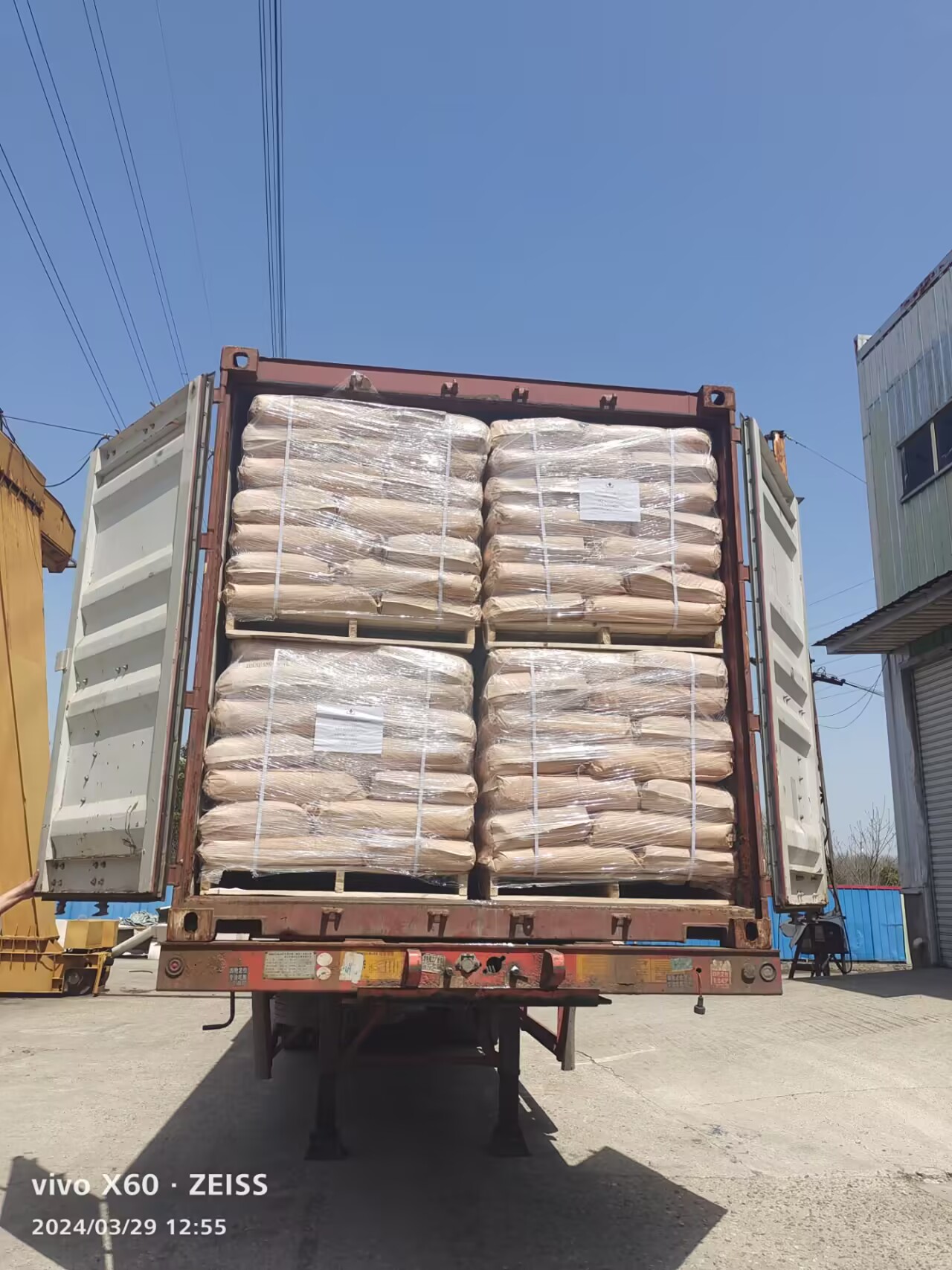
Purchasing wholesale ammonium polyphosphate makes economic sense for businesses that use large quantities, like manufacturers of fire-resistant materials or agricultural distributors. Bulk buying reduces per-unit costs, ensures a steady supply chain, and often allows for customized packaging or formulation to suit specific industrial needs.
When heated, APP decomposes to form polyphosphoric acid, which catalyzes the dehydration of carbon-containing materials into a stable char layer. This char acts as a barrier, slowing down heat transfer and blocking flammable gases, effectively suppressing fire spread. It’s non-toxic and produces minimal smoke, making it a safer choice.
Compared to halogenated flame retardants, APP is environmentally friendlier and doesn’t release corrosive or toxic gases during combustion. It also has good thermal stability and can be used in a variety of polymers without significantly affecting their mechanical properties. Plus, it’s cost-effective for large-scale applications.
You can typically get APP as a fine powder, granular form, or in a liquid suspension, depending on your application. Particle size and coating (like silane-coated) can vary to improve compatibility with different materials, such as polyurethane foams, epoxy resins, or water-based paints.
As a fertilizer, it provides a sustained release of phosphorus, which is vital for root development, energy transfer, and photosynthesis. The slow hydrolysis in soil means nutrients are available over a longer period, reducing leaching and minimizing environmental runoff. It also contains ammonium nitrogen, supporting leafy growth.
Yes, it’s generally considered low-hazard. You should still avoid inhaling dust and wear basic protective gear like gloves and goggles during handling. For agricultural use, it mixes well with water and common pesticides. Proper storage in a dry, cool place prevents caking and maintains quality.
Focus on product purity, consistency of particle size, and delivery reliability. A good supplier provides technical data sheets, batch certificates, and can advise on the right grade for your industry—whether it’s a coating manufacturer needing low water solubility or an agribusiness looking for customized NPK blends.
Conclusion
Ammonium polyphosphate (APP) stands at the crossroads of two critical industries: fire safety and agriculture. As a highly effective flame retardant, it works by promoting char formation and cutting off oxygen, making it indispensable in protective coatings for steel structures, cables, and textiles. Fire safety experts increasingly rely on APP-based intumescent systems because they are halogen-free, low in smoke, and meet stringent environmental standards—addressing both performance and regulatory demands. This shift toward safer, more sustainable fire protection underscores the compound’s rising importance in modern construction and manufacturing.
Beyond fire suppression, APP serves as a powerful agricultural tool. Its high phosphorus and nitrogen content provides a sustained-release nutrient source for crops, improving root development and overall plant vigor. Farmers value it not just for base fertilization but also for foliar applications, where it seamlessly integrates with pest control routines. Smart sourcing in wholesale quantities demands attention to purity, particle size, and solubility, as these factors directly influence performance in both sectors. Whether you are safeguarding infrastructure or boosting yields, understanding how to select and apply APP correctly ensures maximum return on investment—turning a single compound into a versatile asset that truly bridges flame and field.
Contact Us
Contact Person: Guohua Wang
Email: [email protected]
Tel/WhatsApp: 8613003442895
Website: https://www.xxflameretard.com