
Wholesale Roll Up Door: The Ultimate Guide for Commercial Buyers
2026-07-07
When it comes to securing your commercial space, roll up doors are a practical, space-saving solution that combines durability with ease of operation. But with so many options on the market, finding the right wholesale supplier can be overwhelming. Whether you're outfitting a warehouse, retail store, or industrial facility, the key is choosing a door that balances quality, cost, and reliability. That's where NORTON comes in—offering a range of roll up doors designed to meet the demands of modern businesses. In this guide, we'll walk you through everything you need to know before making a bulk purchase, from material choices to installation tips, so you can invest with confidence.
Material Breakdown: Steel vs. Aluminum for Your High-Traffic Facility
Walking through a busy warehouse or loading dock, you can almost feel the constant vibration underfoot. The choice between steel and aluminum isn't just about upfront cost—it's about how each material absorbs that daily punishment. Steel plates tend to shrug off heavy impacts without deforming, but they can develop a slick, polished surface over time that makes forklifts slide. Aluminum, surprisingly, bites back with a natural gritty texture that holds traction even when wet, though it may show dents sooner.
Maintenance teams often grumble about rust creeping into steel seams, especially where de-icing chemicals or salt-laden air sneak in. A well-coated steel floor can last decades, but once the protective layer wears through, you're chasing corrosion. Aluminum doesn't redden and flake—it may oxidize superficially, but that layer actually shields the metal beneath. The catch? Some cleaning agents react harshly with aluminum, leaving chalky residue that demands a different wash routine.
What surprises most facility managers is the noise factor. A dropped steel toolbox hits like a thunderclap in an enclosed space, while aluminum's softer acoustic signature dampens the ring. It's a small detail, but in a 24-hour operation, those decibel reductions add up for worker comfort. On the weight side, aluminum's lightness eases installation over elevated walkways, but steel's density sometimes eliminates the need for extra subfloor support—canceling out the savings you thought you'd get.
Sizing Secrets: How to Measure for a Perfect Fit Without Costly Mistakes
A cloth tape measure is your best friend here—flexible, forgiving, and far more accurate than a rigid metal one. Stand in front of a mirror with your usual undergarments on, and make sure the tape is snug but not digging in. If you're alone, take a deep breath and relax your posture; tensing up can skew the numbers by a surprising margin. Jot down each measurement immediately—memory has a funny way of playing tricks, especially when you're juggling numbers.
For tops and dresses, focus on the fullest part of your bust, your natural waist (that soft indentation above your belly button), and the widest point of your hips. Don't pull the tape tight—let it rest gently against your skin. For bottoms, the inseam is crucial, but don't assume your usual size; measure from the crotch seam down to where you want the hem to fall, wearing shoes of a similar height to what you'd typically pair them with. And that number on the tag? It's just a starting point. Sizes shift wildly between brands, so always check the specific brand's size chart.
One of the sneakiest mistakes is measuring over bulky clothing or guessing based on what 'usually' fits. Also, never rely on a single measurement in isolation—bodies are three-dimensional, and a waist number alone won't save you from sleeves that are too short or a rise that sits awkwardly. If you're between sizes, consider the fabric: rigid denim will need a little more room than stretchy knits. And finally, remember that alterations exist for a reason. Buying to fit your largest measurement and taking in the rest is often cheaper than returning an item that doesn't work.
Motor and Opener Options: Manual, Chain, or Smart Automation
When selecting the right drive system for your gate, the decision often boils down to how much convenience you want versus how much you're willing to spend. A manual opener keeps things simple and mechanical—no wiring, no programming, just a solid mechanical advantage that gets the job done with a bit of elbow grease. It's a rugged choice for low-traffic entrances or areas where power isn't readily available, and maintenance is as basic as keeping the moving parts lubricated. There's something satisfying about the direct, hands-on control, knowing that the gate will always respond regardless of power outages or dead batteries.
Chain-driven motors step up the game by introducing reliable electric operation with a proven mechanism that's been used for decades. The chain and sprocket setup delivers strong, consistent pulling force, making it a workhorse for heavier gates or longer driveways where torque matters. While chain drives aren't the quietest option and require occasional tension adjustments, their durability and lower upfront cost keep them a favorite for many homeowners. You’ll hear a reassuring clank when it moves, but that sound often means dependable engineering that won’t let you down.
Smart automation transforms gate operation into a seamless, app-controlled experience that fits right into a connected home. These openers integrate with Wi‑Fi, letting you check gate status, grant access remotely, and even set schedules from your phone. Sensors add a layer of safety by detecting obstacles, while quiet belt or direct-drive mechanisms eliminate the noise of older systems. The initial investment is higher, and you’ll need a solid network signal, but the blend of security, analytics, and effortless control feels like a genuine upgrade. It turns an everyday chore into a background convenience, which is exactly what modern automation should do.
Insulation and Weather Sealing: Cutting Energy Costs in Cold Storage and Beyond
Proper insulation and meticulous weather sealing form the backbone of energy efficiency in cold storage facilities, where even minor thermal leaks can lead to disproportionate spikes in operational costs. Beyond the obvious goal of maintaining low temperatures, effective barriers against heat infiltration reduce the workload on refrigeration units, extending their lifespan and slashing electricity consumption. For warehouse managers, the mathematics are straightforward: a well-sealed envelope translates directly into fewer compressor cycles and a more stable thermal environment, protecting both product integrity and the bottom line.
Yet the benefits of these principles stretch far beyond industrial freezers. In residential and commercial buildings, air leaks around windows, doors, and ductwork are responsible for a staggering amount of wasted energy—often unnoticed until a draft or an unexpected utility bill reveals the gaps. Addressing these vulnerabilities with advanced caulks, expanding foams, or compression gaskets turns a structure into a cohesive thermal shield. The result is not just lower heating and cooling bills but also a noticeable improvement in indoor comfort, free from cold spots and humidity swings that can undermine a building’s atmosphere.
What sets high-performance insulation and sealing apart isn't merely the materials but the strategy behind their installation. Rather than taking a generic, one-size-fits-all approach, the most impactful upgrades begin with a detailed audit of thermal weak points—often using infrared cameras or blower door tests—to pinpoint exactly where energy is escaping. This diagnostic method ensures that every dollar spent goes toward solutions that matter, transforming what could be a mundane retrofit into a precision efficiency overhaul. In cold storage, that might mean upgrading panel joints or door seals; elsewhere, it could involve insulating rim joists or attic hatches. The common thread is a shift away from reactive, piecemeal fixes toward a deliberate design philosophy that treats the building envelope as a connected system, not just a collection of walls.
Safety Features That Matter: From Auto-Reverse to Fire-Rated Designs
A garage door can weigh several hundred pounds, making safety mechanisms non-negotiable. Auto-reverse systems have evolved from simple pressure sensors to advanced infrared beams that detect even a pet running underneath. If the beam is broken mid-close, the door instantly reverses direction, preventing catastrophic accidents. Meanwhile, pinch-resistant panels minimize the risk of finger injuries between sections, and tamper-resistant bottom brackets keep cables secure even under extreme tension.
For attached garages, fire-rated designs provide a critical layer of home protection. These doors integrate intumescent seals that expand when exposed to heat, blocking smoke and flames for up to 90 minutes. Paired with insulated cores, they slow thermal transfer, buying precious time for evacuation. Some models also include automatic closing triggered by smoke detectors, ensuring the door doesn't stand open during a fire, which could accelerate its spread.
Beyond emergency responses, everyday reliability matters. Look for models with continuous duty motors that don't overheat during frequent use and manual release handles you can operate even when the power's out. From the self-monitoring force adjustments that adapt to changing weather conditions to battery backups that keep the door functional during outages, each feature is engineered to transform a heavy moving barrier into a smart, responsive shield for your family.
Bulk Order Strategy: Negotiation Tactics to Get Dealer-Level Pricing
Gaining dealer-level pricing rarely starts with a simple request for a discount. Instead, frame the conversation around the volume you’re prepared to move over a set period, not just the single order in front of you. When suppliers see a reliable stream of purchases rather than a one-off bargain hunt, their margin calculations shift. Mention rough quarterly projections or the potential for expanding into complementary product lines once the initial partnership proves smooth. This approach nudges the seller away from protecting retail markups and toward thinking of you as a small-scale distributor—someone worth investing in with sharper price breaks.
On the tactical side, never accept the first “special” offer at face value. Quiet hesitations are more powerful than aggressive counteroffers—a pause after hearing a number often prompts the other side to fill the silence with concessions. Bring competitor quotes to the table casually, not as a threat but as a natural part of your due diligence: “Another supplier floated this number for a similar spec, but I’d prefer to keep things consolidated with you if we can align.” And when the price seems stuck, pivot to value adds like extended payment terms, free shipping on initial orders, or sample packs at no charge—these often cost the seller far less than a price cut while significantly lowering your landed cost. In aggregated form, such perks frequently mirror the financial gap between retail and genuine dealer rates.
FAQ
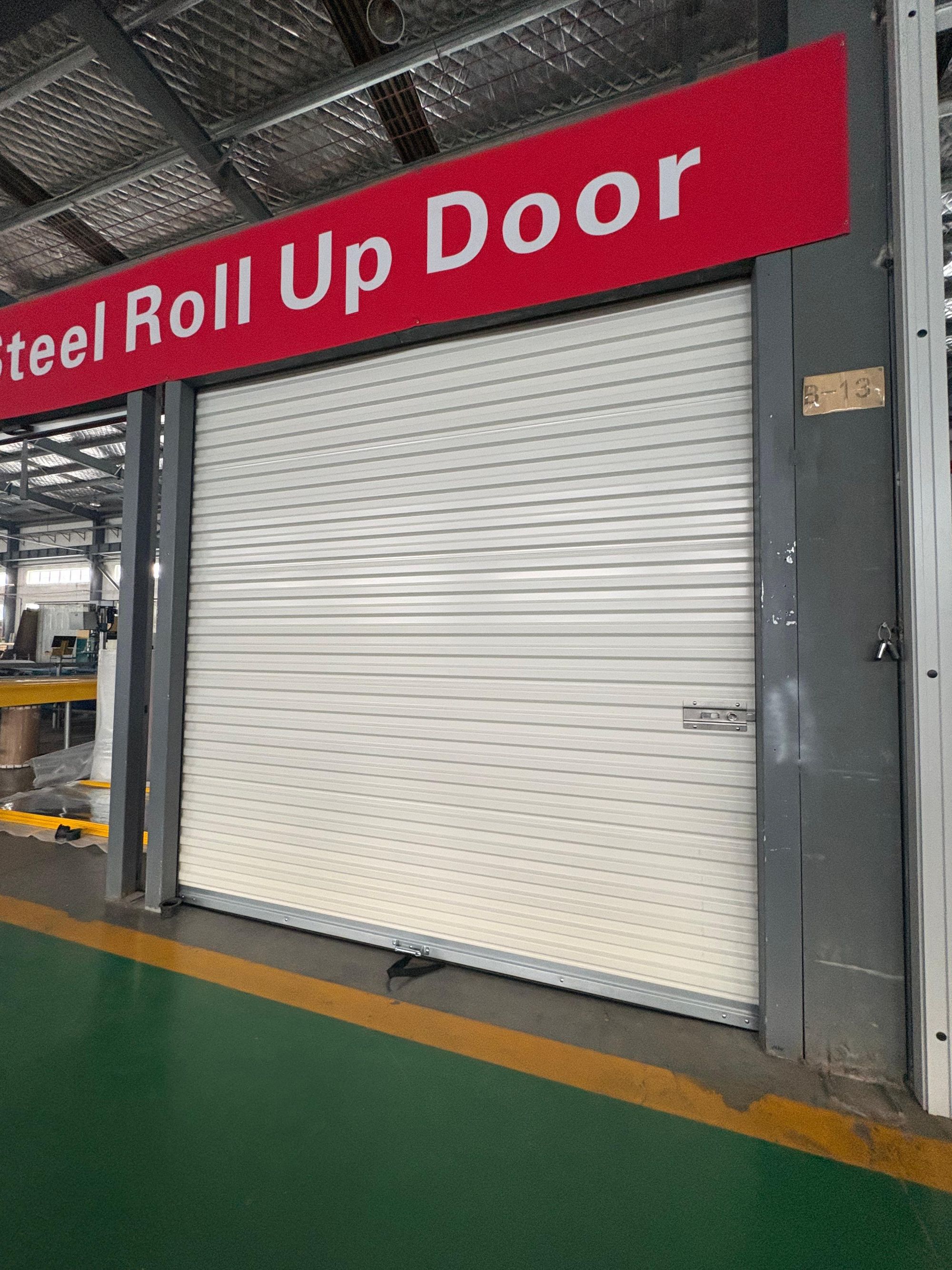
A wholesale roll up door is a heavy-duty, space-saving door system sold in bulk or directly to businesses, designed primarily for commercial and industrial use. Unlike retail versions, wholesale doors are often customizable, built with high-gauge steel or aluminum, and offered at lower per-unit cost when ordered in volume. They typically include features like advanced insulation, reinforced guides, and high-cycle springs tailored for frequent operation.
Warehouses, logistics centers, auto repair shops, self-storage facilities, and manufacturing plants see the greatest value. These environments demand durability, security, and minimal maintenance. In food processing or cold storage, insulated roll up doors help maintain temperature control, while retail storefronts use transparent aluminum slats for after-hours security without sacrificing visibility.
Measure the rough opening width and height carefully, and account for headroom, sideroom, and backroom clearance the door mechanism requires. For material, galvanized steel suits most heavy-duty applications; aluminum resists corrosion in coastal or humid areas; and polycarbonate panels are best when you need light. Consult a supplier’s specification sheet to match cycle rating and wind load to your location.
Focus on gauge thickness, cycle testing data, insulation R-value, and warranty terms. Ask about the availability of custom powder-coat finishes, motorization options, and safety features like photo-eye sensors. A reliable supplier will offer engineering support, fast lead times, and clear bulk pricing without hidden freight charges.
Yes, most commercial roll up doors can be motorized with side-mount or direct-drive operators. Jackshaft operators are compact and ideal when headroom is limited, while hoist operators suit larger, heavier doors. Look for soft-start/stop technology to reduce wear, and ensure the operator’s duty cycle matches your daily usage—for 24/7 operations, choose a continuous-duty motor with a manual override chain.
Keep tracks clean and free of debris, lubricate bearings and springs every few months with a dry silicone spray, and check the tension of the springs periodically for balance. Inspect the curtain for dents or misalignment, and test the safety sensors and emergency release mechanism monthly. Most manufacturers provide a maintenance checklist; following it can extend the door’s life well beyond 20,000 cycles.
Conclusion
Choosing the right wholesale roll up door for a commercial facility goes far beyond picking a standard model off a spec sheet. It starts with a hard look at the daily demands of your space—how many cycles it will endure, what kind of traffic moves through, and the environmental extremes it needs to handle. Steel remains the workhorse for high-traffic docks and security-sensitive areas, offering durability that shrugs off impacts, while aluminum brings a lighter, corrosion-resistant alternative better suited for food-grade or coastal applications where rust is a non-negotiable risk. Getting the measurements right is where many buyers bleed money: ordering a door too small creates gaps that destroy energy efficiency, and oversizing means expensive retrofitting, so taking multiple width and height readings at both the opening and the surrounding clearance space is non-negotiable. Couple that with the right operator—manual chain hoists still dominate budget-conscious warehouse setups, but smart automation with integrated sensors and remote controls is fast becoming the standard for logistics hubs that demand speed and hands-free operation.
Beyond the basic build, insulation and weather sealing can make or break operating costs, especially in cold storage or climate-controlled facilities where every degree matters—polyurethane-filled slats and bulb-style bottom seals work together to cut thermal leakage dramatically. Safety features shouldn't be an afterthought either; auto-reverse mechanisms and photo-eye sensors protect both workers and inventory, and fire-rated designs are mandatory in many industrial zones to meet code without sacrificing daily workflow. When you're ready to scale, the real advantage comes from treating this as a bulk investment. Instead of paying list prices, smart buyers consolidate specifications across multiple openings, lean on long-term relationships with suppliers, and time orders to align with manufacturing cycles to secure dealer-level pricing. This isn't about squeezing a vendor; it's about demonstrating that your repeat business is worth their flexibility on margins and lead times.
Contact Us
Contact Person: Cyril He
Email: [email protected]
Tel/WhatsApp: 8613969697307
Website: https://cqyqgd.en.alibaba.com/